
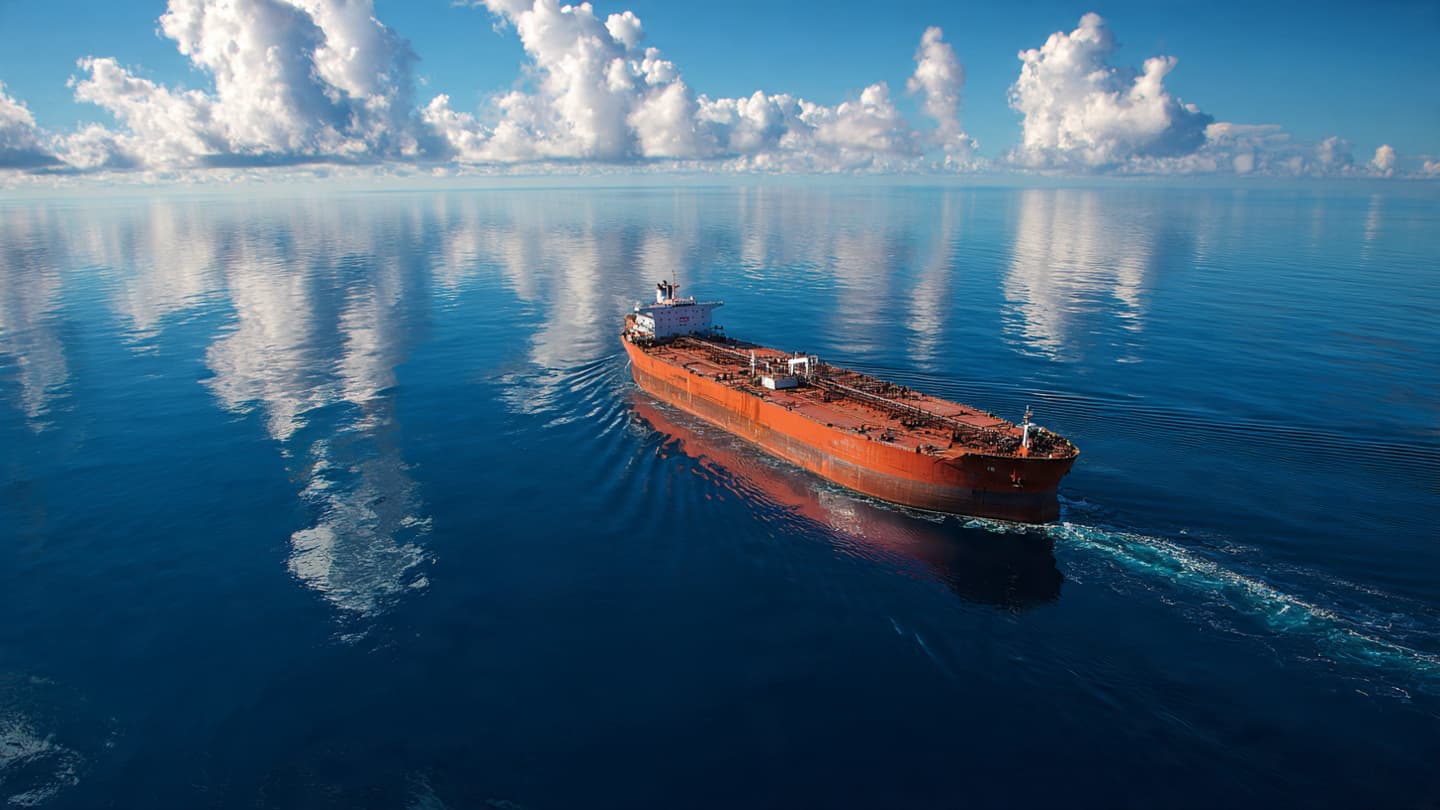
Across the world's oceans, commercial vessels often move quietly beyond public attention, yet their journeys carry immense significance for the global economy. Oil tankers, in particular, serve as moving links between producers and consumers, transporting resources that power industries, transportation systems, and daily life. Recent reports indicating the return of Iranian oil tankers to more regular international operations have therefore attracted considerable interest across energy markets.
The resumption of tanker activity is viewed as a positive signal for global energy logistics. Shipping routes play a critical role in maintaining stable supplies, and disruptions can quickly influence prices and market expectations. As Iranian tankers return to regular operations, concerns about potential bottlenecks and supply interruptions have begun to ease.
Energy markets reacted by reassessing supply conditions. Traders continuously evaluate factors that may affect future availability, including transportation capacity, production levels, and geopolitical developments. Increased shipping activity contributes to a perception of improved stability, helping support confidence among market participants.
The development arrives at a time when global energy demand remains substantial. Industrial activity, transportation networks, and economic growth continue to depend heavily on reliable energy supplies. Efficient maritime logistics therefore remain essential to maintaining balanced market conditions across regions.
Businesses involved in shipping, refining, and distribution are also paying close attention. Greater predictability in transportation networks allows companies to improve planning and manage costs more effectively. Stable logistics chains often contribute to smoother operations throughout the broader energy sector.
Economists note that shipping activity frequently serves as an indicator of broader commercial confidence. When vessels move consistently and trade routes function efficiently, businesses gain reassurance regarding supply reliability. This confidence can influence investment decisions and long-term planning across multiple industries.
The return of tanker operations may also contribute to improved market sentiment. Investors often view stable transportation networks as a sign of reduced risk. As a result, developments involving shipping routes can influence not only energy prices but also broader financial markets.
While challenges remain within the global energy landscape, the current trend has been interpreted as constructive. Market observers emphasize that long-term stability depends on numerous factors, including demand conditions, infrastructure capacity, and international cooperation. Nevertheless, increased shipping activity represents an encouraging development.
As tankers continue their journeys across international waters, they carry more than energy resources. They also transport signals of economic confidence, commercial continuity, and market stability. In a world where supply chains connect distant economies, such developments can resonate far beyond the ports where ships arrive and depart.
AI Image Disclaimer Graphics are AI-generated and intended for representation, not reality.
Source Check Reuters Bloomberg Financial Times Associated Press The Guardian
Note: This article was published on BanxChange.com and is powered by the BXE Token on the XRP Ledger. For the latest articles and news, please visit BanxChange.com