
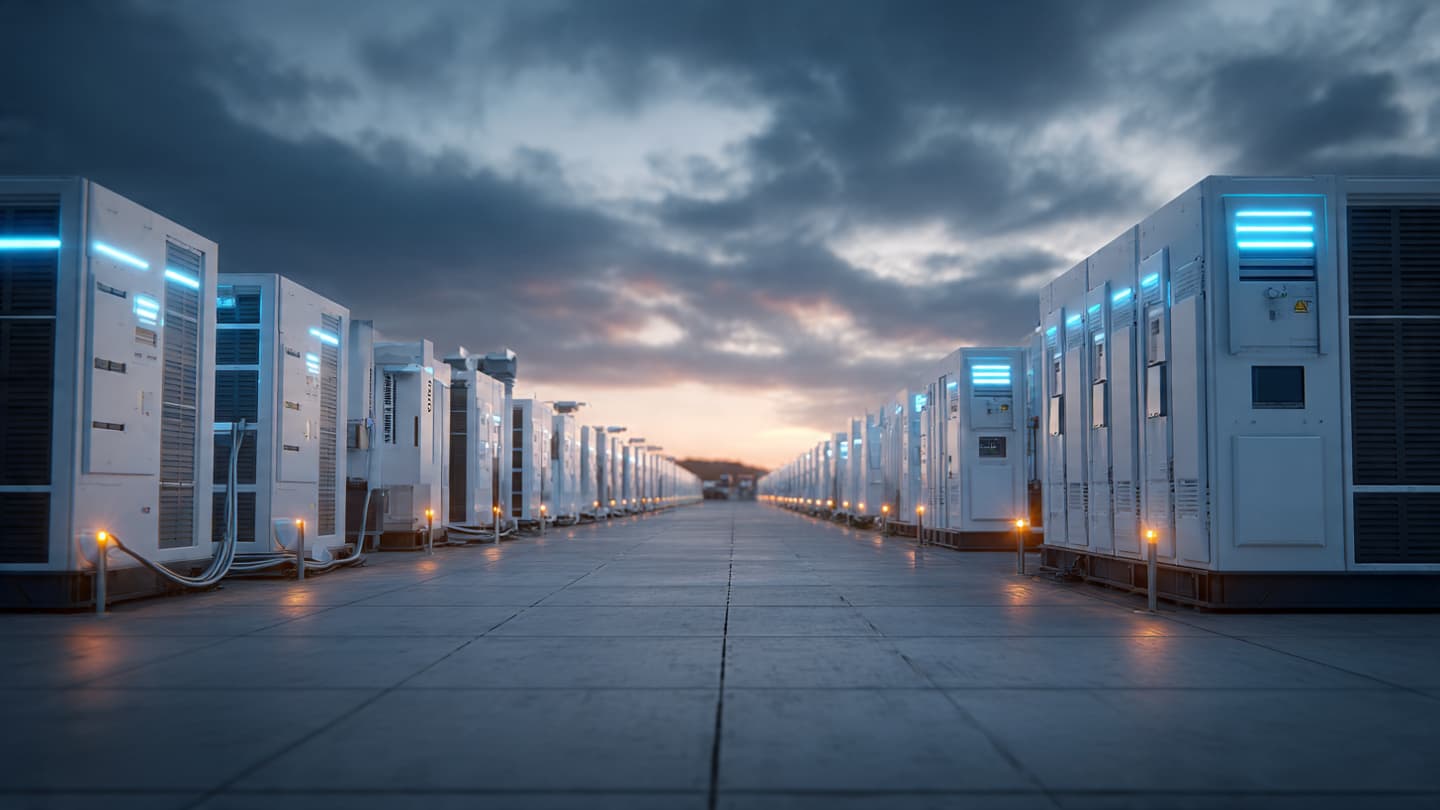
Progress often arrives carrying new questions alongside new opportunities. Artificial intelligence has become one of the most celebrated technological developments of the modern era, offering possibilities that were once confined to science fiction. Yet as AI systems become more capable and more widely adopted, attention is increasingly turning toward a practical challenge that underpins their growth: energy consumption. During London Climate Week, this issue emerged as a central topic of discussion among industry leaders, researchers, and policymakers.
The rise of artificial intelligence has fueled unprecedented demand for computing power. Large AI models require extensive processing capabilities, supported by massive data centers operating around the clock. These facilities consume substantial amounts of electricity, prompting questions about how future energy needs can be met sustainably.
Participants at London Climate Week emphasized that technological innovation and environmental responsibility must advance together. AI has the potential to improve efficiency across numerous sectors, including transportation, healthcare, agriculture, and energy management. However, realizing these benefits requires infrastructure capable of supporting increased computational demands without placing excessive strain on energy systems.
Technology companies are investing heavily in data center expansion. New facilities are being constructed in multiple regions to accommodate growing demand for AI services. While these investments support innovation and economic growth, they also increase pressure on electricity grids and raise concerns regarding long-term sustainability.
Renewable energy emerged as a key theme throughout discussions. Many industry leaders highlighted the importance of integrating clean energy sources into future AI infrastructure. Solar, wind, hydroelectric, and other renewable technologies may play a crucial role in powering the next generation of digital systems while reducing environmental impact.
Researchers noted that advances in energy efficiency could also contribute to solutions. Improvements in semiconductor design, cooling systems, and computational architectures may help reduce the amount of electricity required to perform complex tasks. Such innovations could become increasingly important as AI adoption continues to accelerate.
The conversation extends beyond technology companies. Governments, utility providers, and infrastructure developers are all involved in addressing future energy requirements. Collaboration between public and private sectors will likely be necessary to ensure that digital growth remains compatible with environmental objectives.
Financial markets are paying attention as well. Investors recognize that energy availability and sustainability considerations may influence the long-term success of AI-related industries. Companies capable of balancing innovation with responsible resource management could gain significant advantages in an increasingly competitive environment.
As London Climate Week concluded, one message appeared particularly clear: the future of artificial intelligence is closely connected to the future of energy. The challenge is not merely about generating more power but about creating systems capable of supporting technological progress while preserving environmental goals. In that balance lies one of the defining questions of the digital age.
AI Image Disclaimer Images in this article are AI-generated illustrations, meant for concept only.
Source Check Reuters Financial Times Bloomberg The Economist CNBC
Note: This article was published on BanxChange.com and is powered by the BXE Token on the XRP Ledger. For the latest articles and news, please visit BanxChange.com