
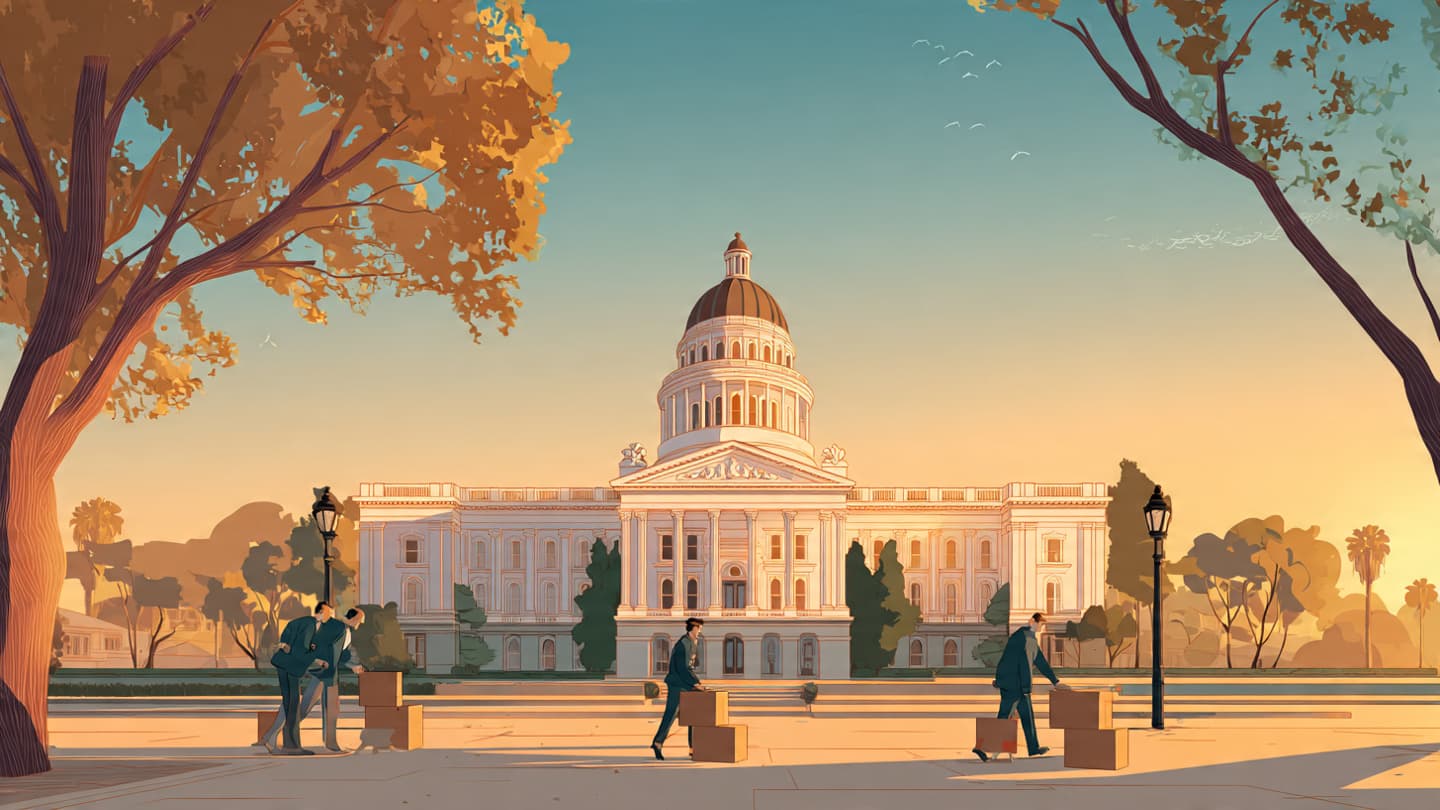
The rhythm of democracy often resembles a long river crossing difficult terrain. Some seasons bring calm waters, while others stir uncertainty beneath the surface. In California, where political debates frequently ripple beyond state borders, Governor Gavin Newsom’s latest legislative move arrives like a carefully placed stone meant to steady the current rather than redirect it entirely.
The newly signed law seeks to strengthen California’s authority over its own election processes, limiting what state officials describe as potential federal overreach in election administration. Supporters argue the measure reflects a growing concern among states seeking clearer boundaries between local election management and federal intervention.
The legislation emerged after years of intensifying national disputes surrounding election oversight, voting access, and certification procedures. Across the United States, states from differing political backgrounds have pursued their own approaches to election security and governance, often revealing how fragmented the national conversation has become.
California lawmakers backing the bill emphasized that election systems function best when local administrators retain operational independence. They framed the measure not as an act of confrontation, but as an effort to preserve procedural consistency and voter confidence during increasingly polarized election cycles.
Critics, however, questioned whether the law could complicate cooperation between federal agencies and state election officials during emergencies or investigations. Some legal analysts suggested the legislation may eventually face judicial review, particularly if conflicts arise regarding constitutional authority between state and federal governments.
Even so, supporters noted that California has frequently positioned itself as a testing ground for policies tied to governance, privacy, labor, and environmental regulation. In this instance, the state appears intent on extending that philosophy into election administration, a domain now deeply intertwined with public trust.
The broader national atmosphere has amplified concerns about misinformation, voter intimidation claims, and disputes over certification procedures. Against that backdrop, California’s new law reflects how states are increasingly shaping independent legal frameworks in response to shifting political winds at the federal level.
While the measure may not immediately alter voting procedures for most residents, election experts say its symbolic significance could resonate nationally. Other states may watch closely to determine whether similar legislative safeguards emerge elsewhere before future federal elections.
California officials stated the law is intended to reinforce administrative clarity and voter confidence while maintaining compliance with constitutional standards.
AI-generated image disclaimer: Some accompanying visuals for this article were created using AI-assisted image generation tools.
Sources: Associated Press, Reuters, Politico, Los Angeles Times, CNN
Note: This article was published on BanxChange.com and is powered by the BXE Token on the XRP Ledger. For the latest articles and news, please visit BanxChange.com