For decades, supersonic flight has represented humanity’s desire to travel faster and connect distant places more quickly. However, the challenge of reducing noise has remained one of the biggest obstacles for commercial supersonic aviation. NASA’s experimental aircraft program continues exploring how future aircraft could achieve speed while creating a quieter experience.
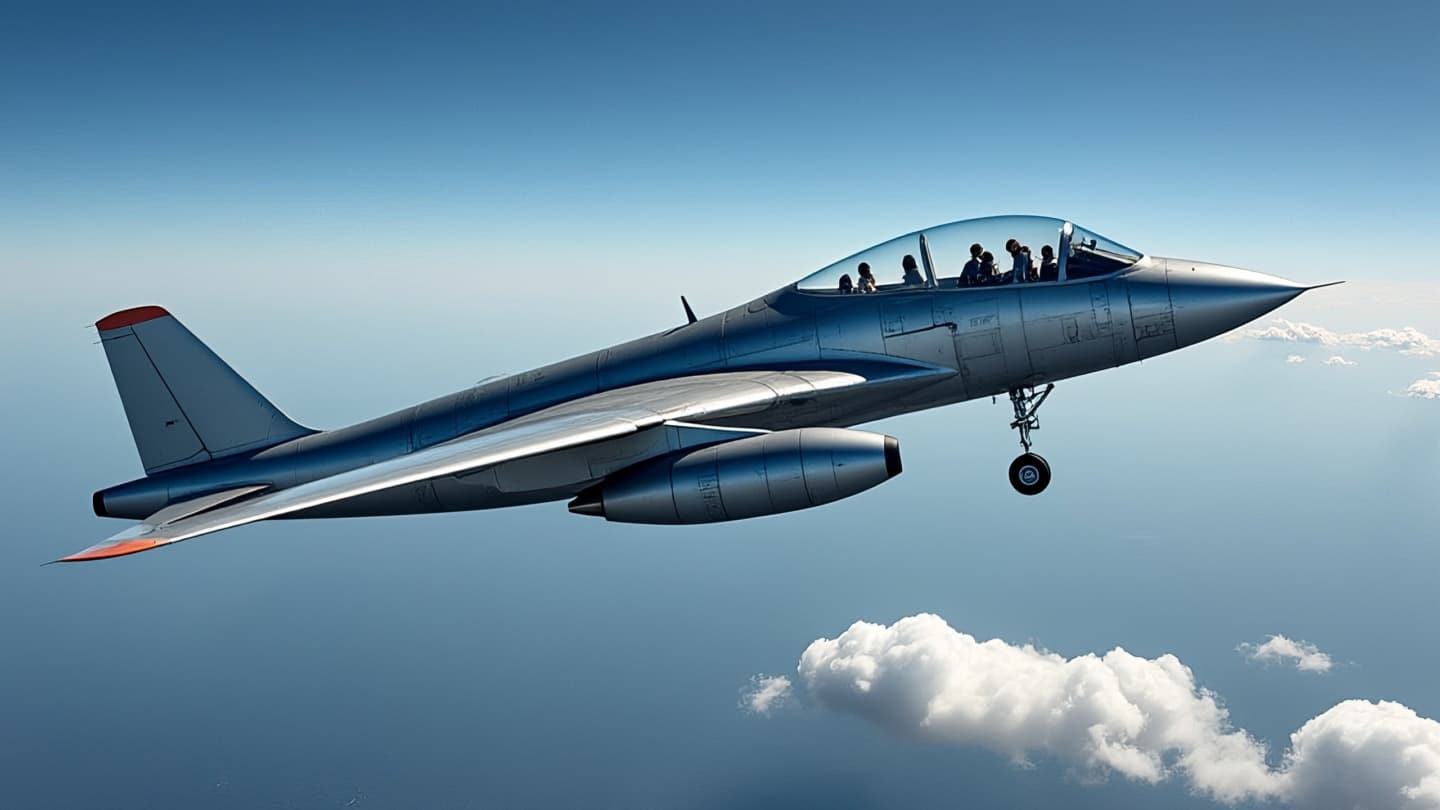
The X-59 experimental aircraft represents NASA’s effort to study advanced aviation concepts. Instead of producing a traditional loud sonic boom, the aircraft is designed to investigate technologies that could reduce the impact of supersonic flight noise.
Engineers working on the project are focusing on aircraft design, aerodynamics, and sound reduction technology. These areas are considered essential for creating new possibilities in faster air travel.
Testing advanced aircraft requires careful planning and extensive research. Engineers must evaluate performance, safety, and environmental factors before new aviation concepts can become practical.
The project also represents cooperation between scientists, engineers, and aviation experts. Developing future aircraft requires knowledge from multiple fields, including materials science, computer modeling, and flight technology.
The aviation industry continues watching developments in supersonic research because faster travel could influence future transportation systems. However, technological progress must also consider efficiency and environmental responsibility.
NASA’s research contributes to broader discussions about the future of aviation. The lessons learned from experimental aircraft can help improve understanding of flight technology beyond a single project.
As aviation continues to evolve, the pursuit of faster and quieter flight remains a symbol of scientific ambition. NASA’s work represents another step toward understanding what the next generation of transportation may look like.
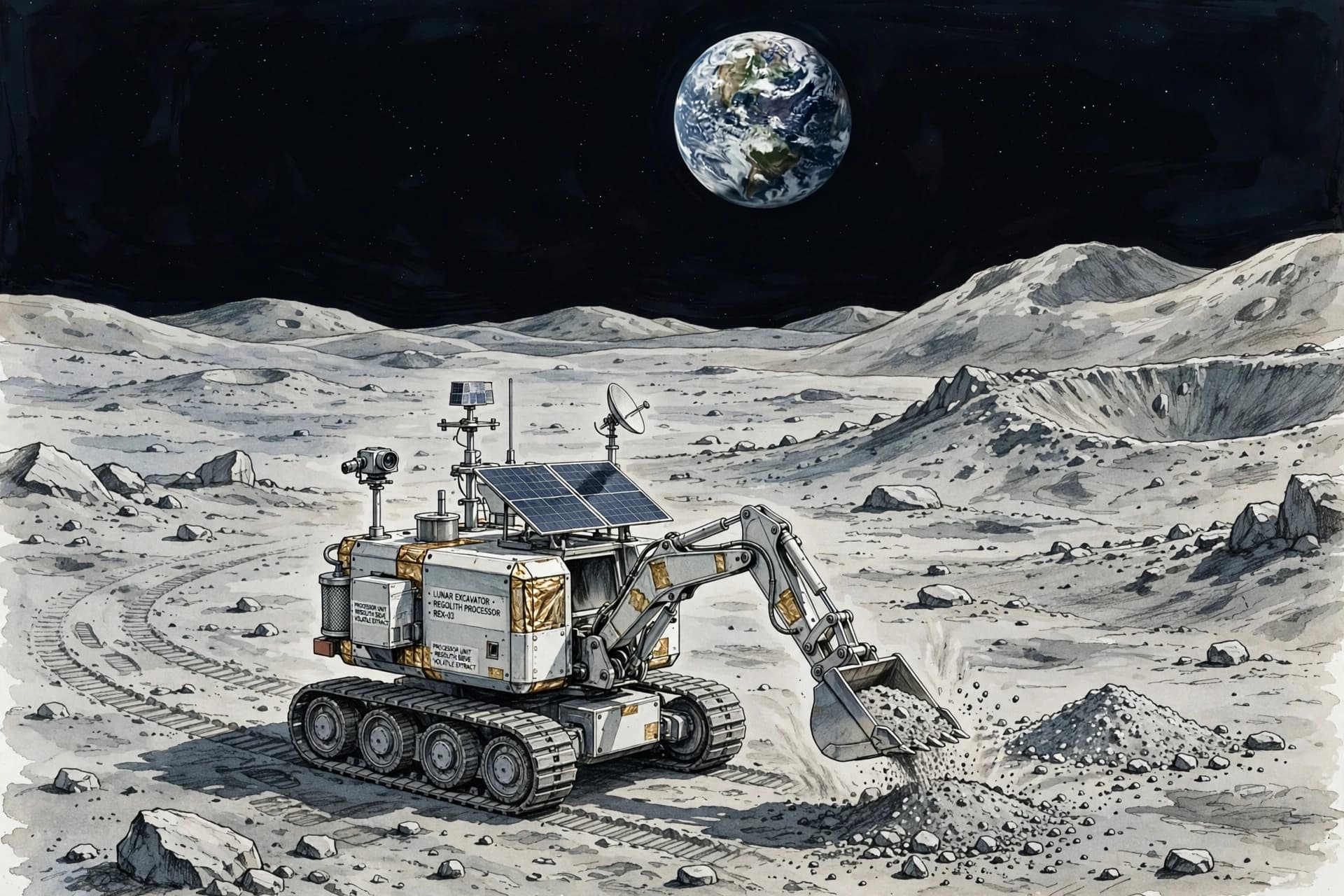
AI Image Disclaimer: The images in this article are AI-generated conceptual illustrations created to represent experimental aviation technology.
Sources Verification Check: Verified sources available from: NASA, Federal Aviation Administration (FAA), Reuters, Aviation Week
Published by Banx Network. This article is part of the Banx decentralized media programme, powered by the BXE token on the XRP Ledger.