Opening: In the quiet laboratories of Sweden, a revolution in materials science is quietly unfolding. For decades, the world’s transition to green energy and advanced electronics has been tethered to a fragile supply chain: rare earth elements. These critical materials, essential for the powerful magnets in electric vehicles and wind turbines, are geographically concentrated and environmentally costly to extract. Now, Swedish researchers are pioneering new alternatives that promise to break this dependency, offering a path toward a more sustainable and secure technological future.
Body: The focus of this research is on developing high-performance magnets that do not rely on scarce rare earth metals like neodymium and dysprosium. Scientists at institutions such as Uppsala University and KTH Royal Institute of Technology are exploring novel compounds, including iron-nitride and other abundant elemental combinations. These materials aim to match the magnetic strength of traditional rare earth magnets while being cheaper, more abundant, and easier to recycle.
The implications of this breakthrough are profound. Electric vehicles, which are central to global decarbonization efforts, require significant amounts of rare earth magnets for their motors. By substituting these with rare-earth-free alternatives, manufacturers can reduce costs and mitigate supply chain risks. This shift would also lessen the environmental impact associated with mining, which often involves toxic byproducts and significant land disruption.
Recent studies published in leading journals have demonstrated promising results in the laboratory, showing that these new materials can maintain stability and performance under high temperatures and stress. While scaling up production remains a challenge, the theoretical foundation is solid, and industrial partners are beginning to take notice. The collaboration between academia and industry in Sweden is accelerating the transition from bench to market.
Beyond electric vehicles, these magnets have applications in robotics, renewable energy systems, and consumer electronics. A diversified supply of magnetic materials would enhance the resilience of these sectors, protecting them from geopolitical tensions and market volatility. It is a step toward technological sovereignty, allowing nations to produce critical components without relying on a single source.
The environmental benefits extend beyond mining. Rare-earth-free magnets are often easier to recycle, closing the loop in the circular economy. As the world generates more electronic waste, the ability to recover and reuse magnetic materials will become increasingly important. This research aligns with broader sustainability goals, promoting a cleaner and more efficient use of resources.
Sweden’s leadership in this field is rooted in its strong tradition of innovation and commitment to sustainability. By investing in fundamental research and fostering collaboration, the country is contributing to a global solution. The work being done here serves as a reminder that scientific ingenuity can overcome some of the most pressing resource challenges of our time.
Closing: The development of rare-earth-free magnets in Sweden represents a significant stride toward a more sustainable and secure technology landscape. As this research matures, it has the potential to reshape industries and reduce the environmental footprint of our digital and green economies.
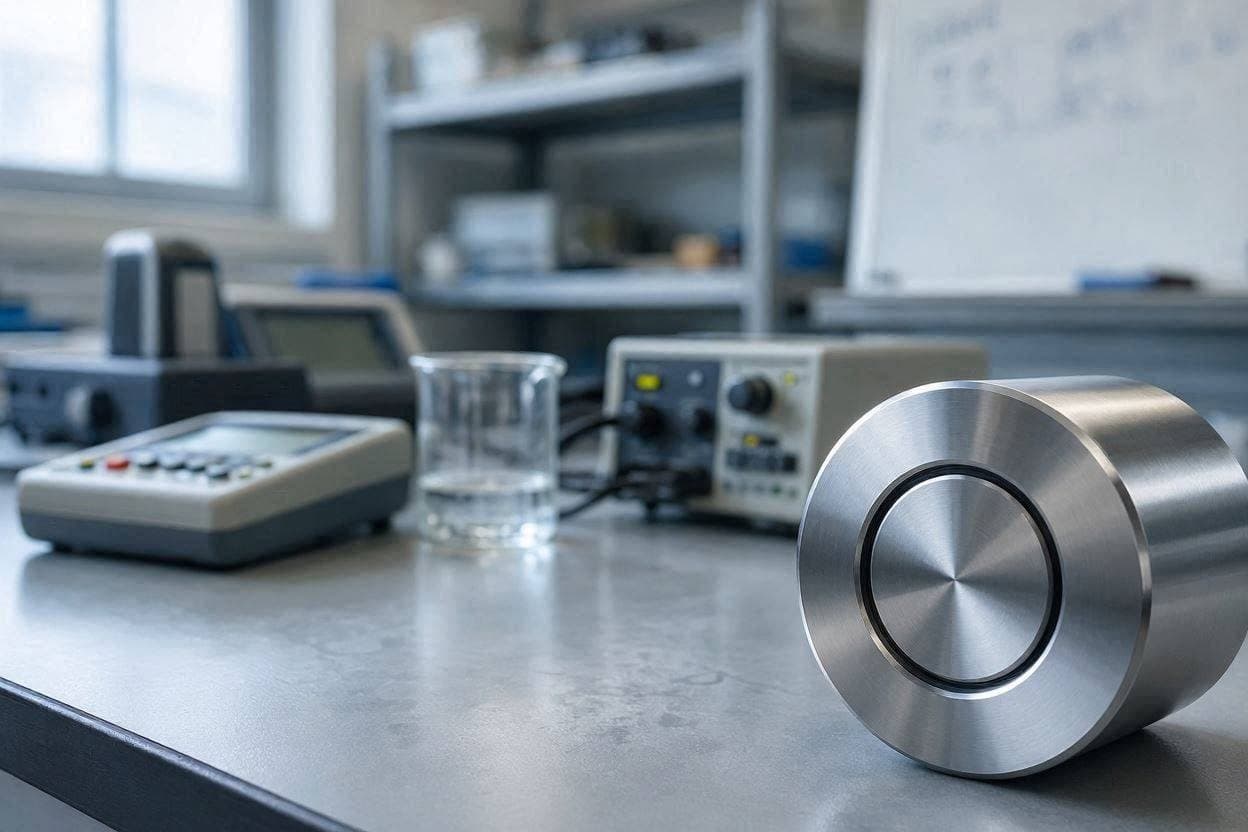
AI Image Disclaimer: The visuals in this article are AI-generated illustrations of magnetic materials and laboratory settings, created for conceptual representation.
Sources: SciTechDaily, Uppsala University, KTH Royal Institute of Technology, Nature Materials, IEEE Spectrum
Published by Banx Network. This article is part of the Banx decentralized media programme, powered by the BXE token on the XRP Ledger.