
Human habits often resemble well-worn paths through a forest. The more frequently they are traveled, the easier they become to follow. Yet scientists are increasingly uncovering how the brain can create new paths, allowing individuals to move beyond unwanted behaviors.
A recent study has identified specific brain chemicals involved in helping people break established habits. Researchers say the findings could improve understanding of how behavioral change occurs at the neurological level.
The study focused on chemical signaling systems that regulate learning, reward, and decision-making. These systems influence whether behaviors become automatic or are consciously modified over time.
Scientists discovered that certain neurochemical processes appear to strengthen the brain's ability to suppress habitual responses and adopt alternative behaviors. This mechanism may play a central role in long-term behavioral adaptation.
The findings could eventually contribute to treatments for disorders involving compulsive behavior, including substance dependence, obsessive-compulsive disorder, and certain psychiatric conditions.
Researchers caution that human behavior is shaped by a complex interaction of biology, environment, and personal experience. Brain chemistry represents only one component within a much broader behavioral landscape.
Even so, understanding the neurological foundations of habit change may help scientists develop more effective therapeutic approaches and personalized interventions in the future.
The research highlights an encouraging principle: the human brain remains remarkably adaptable throughout life. Scientific advances continue to reveal the biological foundations underlying humanity's capacity for change.
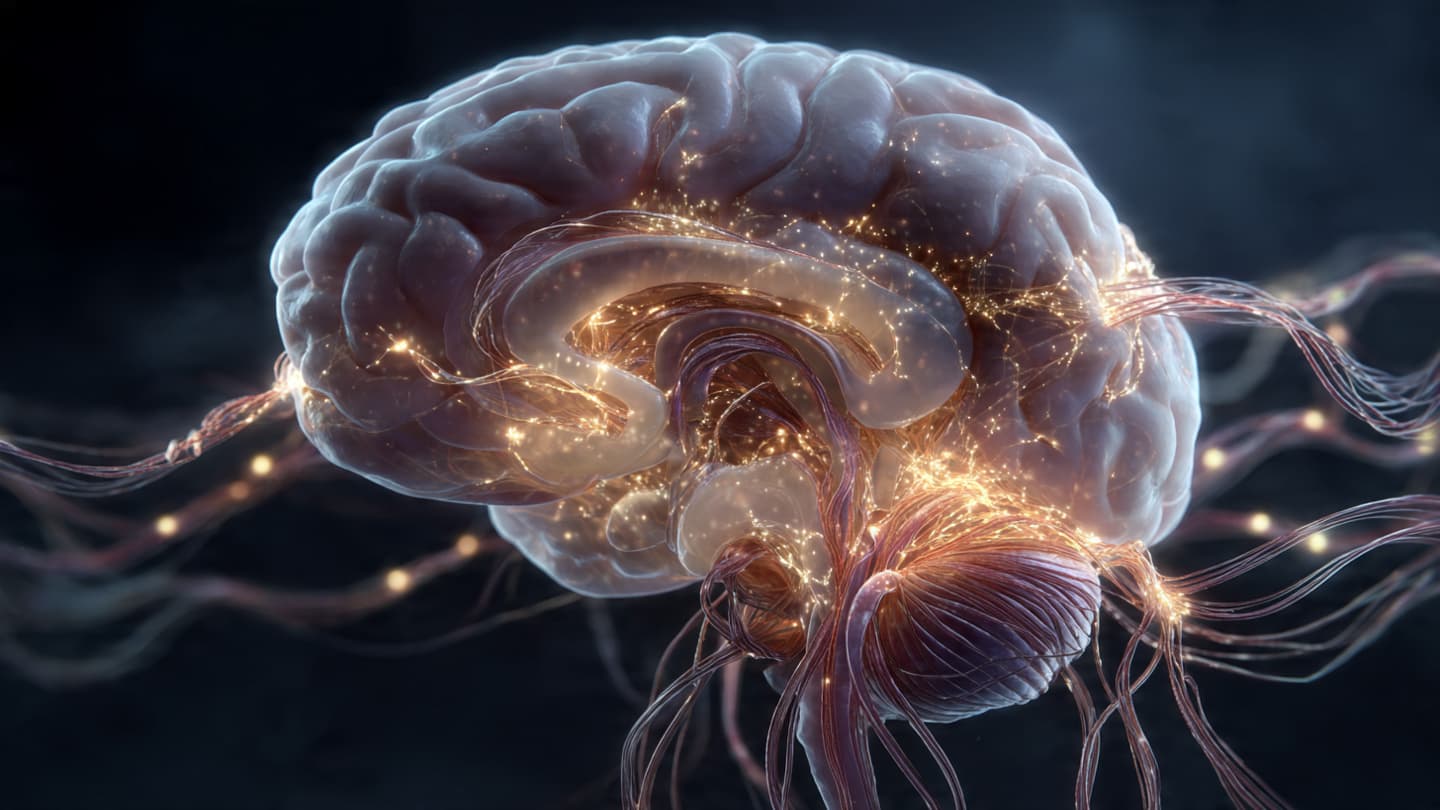
AI Image Disclaimer: This article contains AI-generated illustrations intended exclusively for explanatory and educational purposes.
Sources: ScienceDaily, Nature Neuroscience, National Institutes of Health, Scientific American
Published by Banx Network. This article is part of the Banx decentralized media programme, powered by the BXE token on the XRP Ledger.



