The body of Iran’s slain Supreme Leader Ali Khamenei was carried toward one of the country’s holiest Shi’ite sites as mass mourning ceremonies moved into their final stage.
Crowds in Khamenei’s hometown of Mashhad lined the route as the procession awaited the coffin’s arrival at the Imam Reza shrine—where, according to his will, he was to be buried. State TV reported that the final leg would be done by helicopter because officials expected the main avenue to be crammed with people.
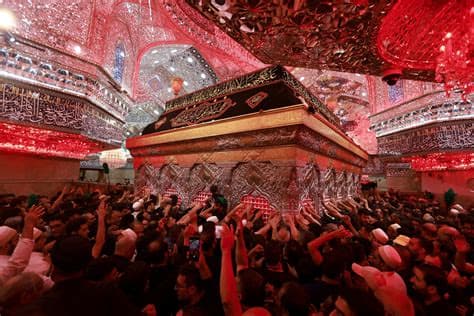
In the run-up to the burial, Iran had already held ceremonies in other major religious and political centers, including Tehran and the holy Iraqi cities of Najaf and Karbala. Reuters and AFP coverage of the events described a highly charged atmosphere, with mourners wearing black and waving red flags associated with Shi’ite traditions of revenge.
The events also unfolded amid renewed hostilities involving Iran and the United States. Some reports said a fighter jet escorted the aircraft carrying Khamenei’s coffin to Mashhad.
Near the shrine, images and banners linked to anger toward Western leaders were displayed, and the burial prayer was scheduled to be led by Hossein Noori Hamedani, a senior conservative cleric.
Fighting in the region also disrupted travel: a rail link between Tehran and Mashhad was reported to be closed, with road transport arranged for stranded passengers. Observers were watching for any public appearance by Khamenei’s son and successor, Mojtaba Khamenei, who had not previously been seen after the strike that killed his father and other relatives.
Published by Banx Network. This article is part of the Banx decentralized media programme, powered by the BXE token on the XRP Ledger.