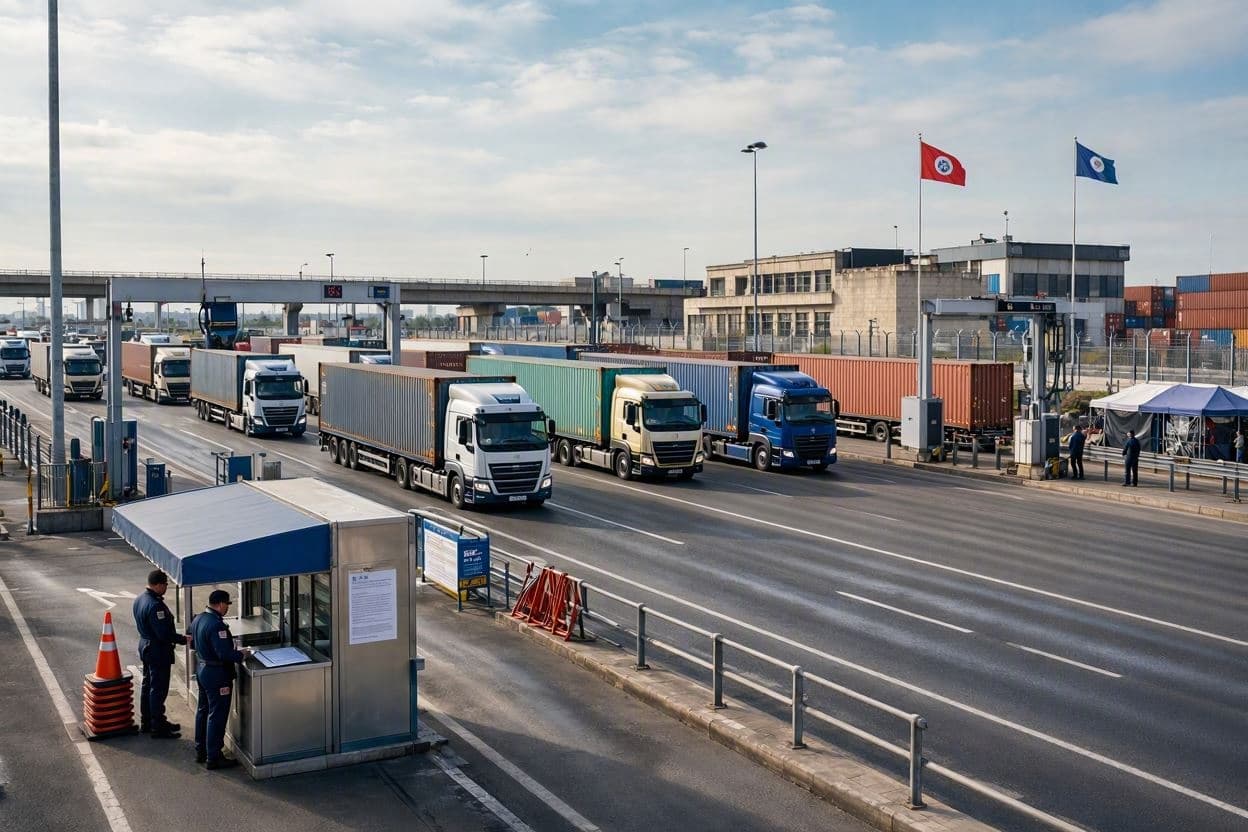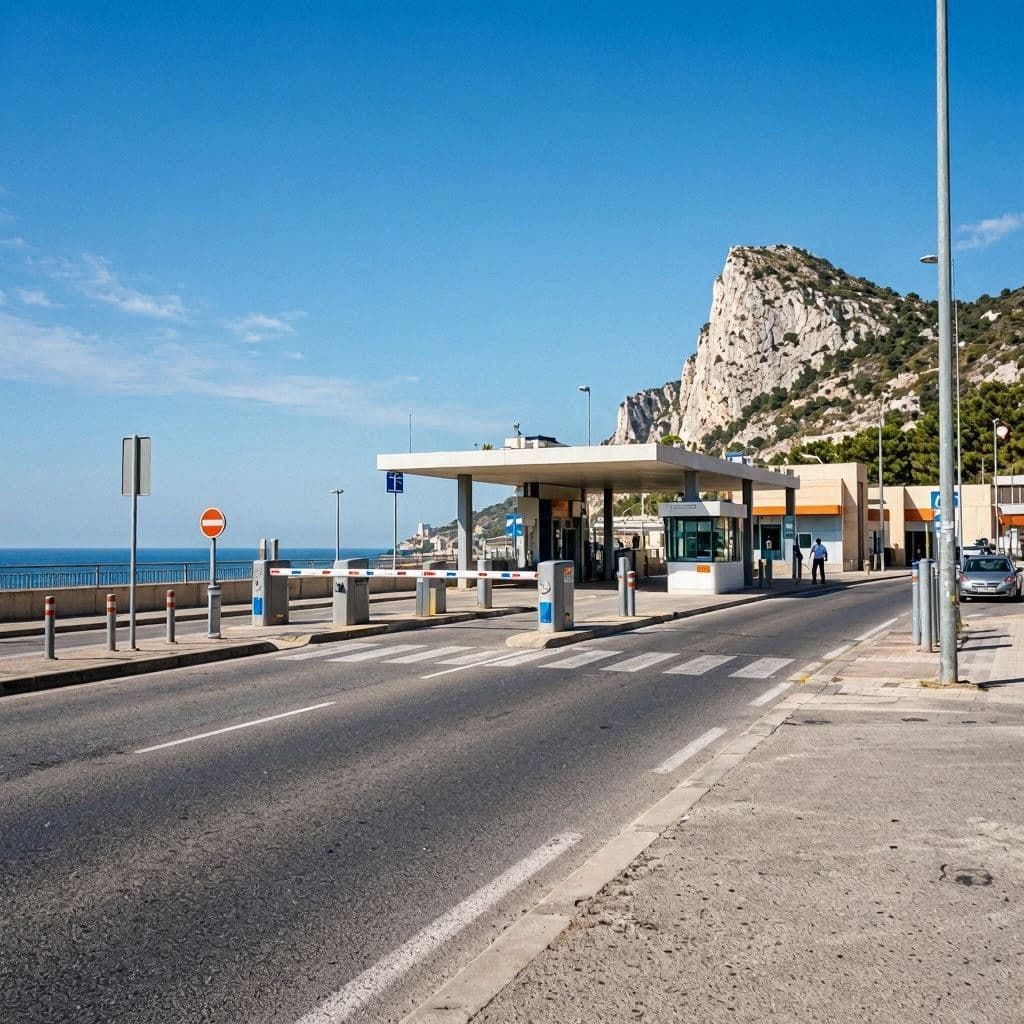
The Rock of Gibraltar has long stood as a sentinel at the edge of Europe, a place where history, sovereignty, and identity converge in a narrow strip of land. For years, the border between this British Overseas Territory and Spain was a line of friction, marked by queues and checks that reminded travelers of political divisions. Now, with the lifting of routine border controls, that line is blurring. This change is not merely an administrative adjustment; it is a profound reimagining of how two distinct legal worlds can coexist. It invites reflection on the nature of borders in a globalized age, the flexibility of sovereignty, and the human desire for seamless connection despite political complexity.
Body: The new arrangement, finalized after years of negotiation between the UK, the EU, and Spain, allows for the free movement of people across the land border. For residents and workers who cross daily, this means an end to the long waits that once defined their commute. It restores a sense of normalcy and community that had been disrupted by Brexit. The physical barrier remains, but its psychological weight has been significantly reduced, fostering a renewed spirit of cooperation between neighbors.
Legally, the situation is unique. Gibraltar is not part of the Schengen Area in the traditional sense, nor is it fully integrated into the UK’s domestic immigration system in the same way as mainland Britain. Instead, it operates under a special protocol that aligns its border rules with Schengen standards while maintaining its British status. This hybrid model is a testament to diplomatic creativity, finding a middle ground where rigid categories fail. It suggests that sovereignty can be shared and layered rather than absolute.
For Spain, the agreement represents a significant step toward deeper integration with its neighbor. While Madrid maintains its claim to sovereignty over the territory, the practical reality is one of increased interdependence. The removal of checks facilitates trade, tourism, and cultural exchange, benefiting both sides of the border. It is a pragmatic approach that prioritizes mutual benefit over historical grievance, offering a model for resolving other longstanding disputes.
The UK government views the deal as a success of post-Brexit diplomacy. By securing this agreement, London has demonstrated its ability to negotiate complex arrangements that protect the interests of its overseas territories. It reinforces the idea that leaving the EU does not mean isolation, but rather a renegotiation of relationships on new terms. For Gibraltar, it provides stability and economic confidence after years of uncertainty.
However, questions remain about the long-term implications. How will security be maintained without routine checks? What happens if political tensions rise again? The system relies on trust and robust data-sharing mechanisms between Spanish and British authorities. It requires constant vigilance and cooperation to ensure that the open border does not become a vulnerability. The success of the experiment depends on sustained commitment from all parties.
Public reaction in Gibraltar has been largely positive, with many welcoming the ease of travel. For businesses, the reduction in friction is expected to boost commerce and investment. The local economy, heavily reliant on cross-border labor and tourism, stands to gain significantly. It is a victory for practicality over ideology, showing how policy can improve daily life.
As the new system beds in, observers will watch closely to see if it holds. The Gibraltar case may serve as a blueprint for other contested borders around the world, demonstrating that flexibility and dialogue can overcome even the deepest divides. It is a hopeful sign for international relations.
Closing: In the end, the lifting of border controls in Gibraltar is a triumph of diplomacy and common sense. It shows that boundaries can be bridges rather than barriers. As we look to the future, the hope is that this spirit of cooperation will endure, bringing peace and prosperity to the Rock and its neighbors.
AI Image Disclaimer: Please note that any accompanying visuals for this narrative are artificially generated interpretations meant to evoke the spirit of the story, not documentary evidence.
Sources: Al Jazeera BBC News The Guardian
Published by Banx Network. This article is part of the Banx decentralized media programme, powered by the BXE token on the XRP Ledger.