Opening: For decades, the vision of private space exploration was largely a solitary endeavor for Jeff Bezos, funded by the vast wealth generated from Amazon. Blue Origin operated in the shadows of its more public rival, SpaceX, quietly building rockets and dreaming of orbital colonies. Now, that era of exclusive self-funding is coming to an end. In a landmark move, Blue Origin is raising 10 billion in its first-ever external fundraising round, valuing the company at a staggering 130 billion. This shift marks not just a financial milestone but a maturation of the commercial space industry, where ambition meets capital on a scale previously unseen. It invites reflection on how private enterprise is reshaping our reach into the cosmos.
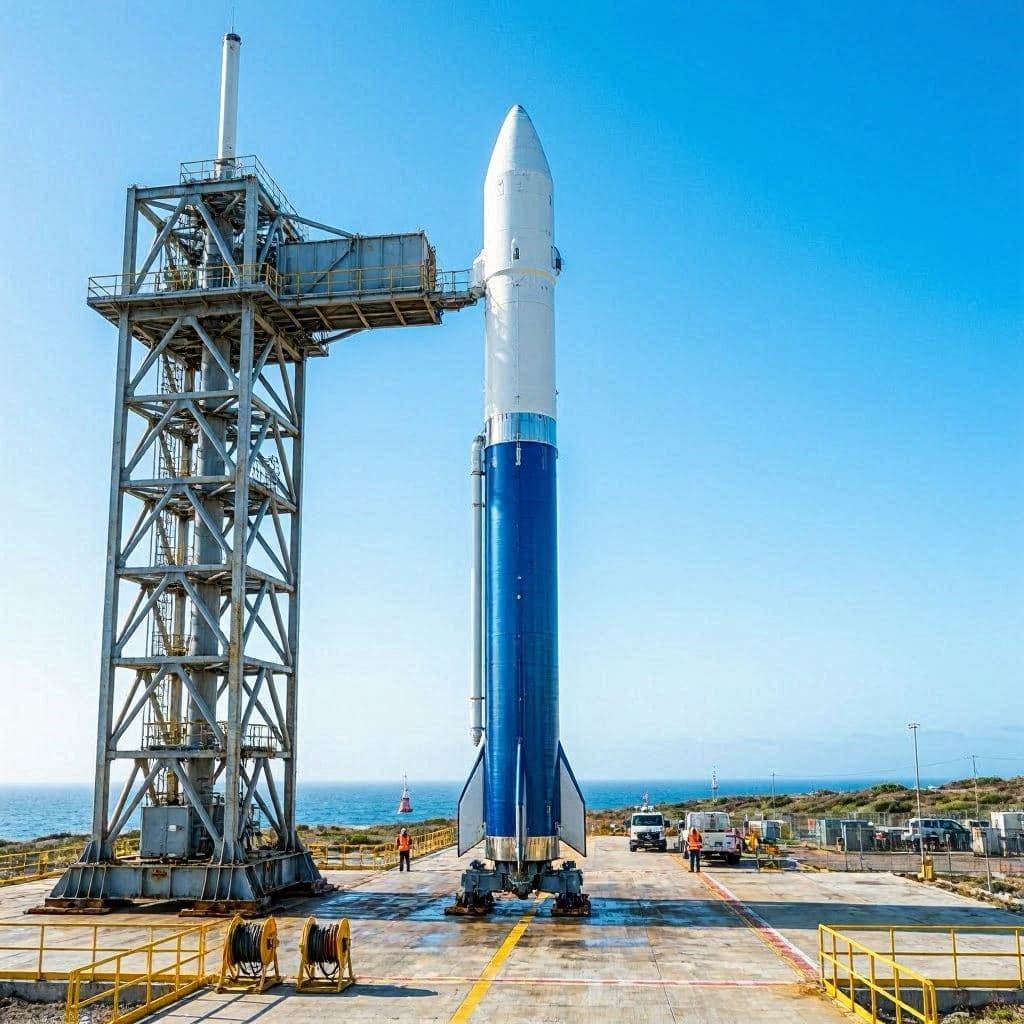
Body: The valuation places Blue Origin among the most valuable private companies in the world, surpassing many established aerospace giants. The round is led by Coatue Asset Management, which is expected to invest approximately 4 billion, with Bezos himself committing an additional 2 billion. Other prominent investors are filling out the remainder, signaling broad confidence in the company’s long-term strategy. This influx of capital is intended to accelerate the development of its New Glenn rocket and the Orbital Reef space station platform.
For years, Blue Origin’s progress was measured in cautious steps, often criticized for lagging behind SpaceX’s rapid iteration and frequent launches. However, this new funding suggests a pivot toward aggressive expansion. The company aims to compete more directly for national security contracts, lunar lander missions, and commercial satellite deployments. The money will likely fuel hiring, infrastructure upgrades, and increased launch cadence, transforming Blue Origin from a boutique operation into a major industrial player.
The decision to seek outside investment rather than pursue an immediate initial public offering (IPO) is strategic. It allows Bezos to retain significant control while accessing the deep pockets of institutional investors. Unlike the public markets, which often demand quarterly profitability, private equity can support the long-term, capital-intensive nature of space development. This approach mirrors the early days of SpaceX, which remained private for over a decade to focus on engineering breakthroughs without shareholder pressure.
Critics may question the 130 billion valuation, noting that Blue Origin has yet to achieve the same level of operational consistency as its competitors. The company has faced delays and technical challenges, including recent setbacks with its New Shepard suborbital vehicle. However, supporters argue that the valuation reflects not just current capabilities but the immense potential of the space economy. As satellite internet, space tourism, and off-world manufacturing grow, Blue Origin is positioning itself to capture a significant share of this emerging market.
This fundraising also highlights the changing dynamics of the space race. With SpaceX recently going public and achieving a multi-hundred-billion-dollar valuation, the competition for talent and contracts has intensified. Blue Origin’s move ensures it has the financial firepower to remain a key contender. It signals to the industry that there is room for multiple major players, fostering innovation through rivalry rather than monopoly.
For the broader economy, the success of companies like Blue Origin could spur advancements in materials science, propulsion technology, and automation. These innovations often have terrestrial applications, driving productivity and creating high-skilled jobs. The space industry is no longer just about exploration; it is becoming a cornerstone of technological progress, with ripple effects across various sectors.
As the deal closes, attention will turn to how effectively Blue Origin deploys this capital. Execution will be key to justifying the lofty valuation. The coming years will see a flurry of launches and milestones, testing the company’s ability to scale. For Bezos, it is the culmination of a lifelong dream, now shared with a new group of believers who see the stars not as a limit, but as a destination.
Closing: Blue Origin has secured 10 billion in its first external fundraising round, valuing the company at 130 billion. Led by Coatue Asset Management and Jeff Bezos, the investment aims to accelerate rocket development and space infrastructure projects. This move positions Blue Origin as a major competitor in the growing commercial space industry.
AI Image Disclaimer: Please note that the visual illustrations accompanying this article are AI-generated representations intended to contextualize the discussion on commercial space exploration and corporate finance.
Sources: TechCrunch The Wall Street Journal CNBC Virginia Business
Published by Banx Network. This article is part of the Banx decentralized media programme, powered by the BXE token on the XRP Ledger.