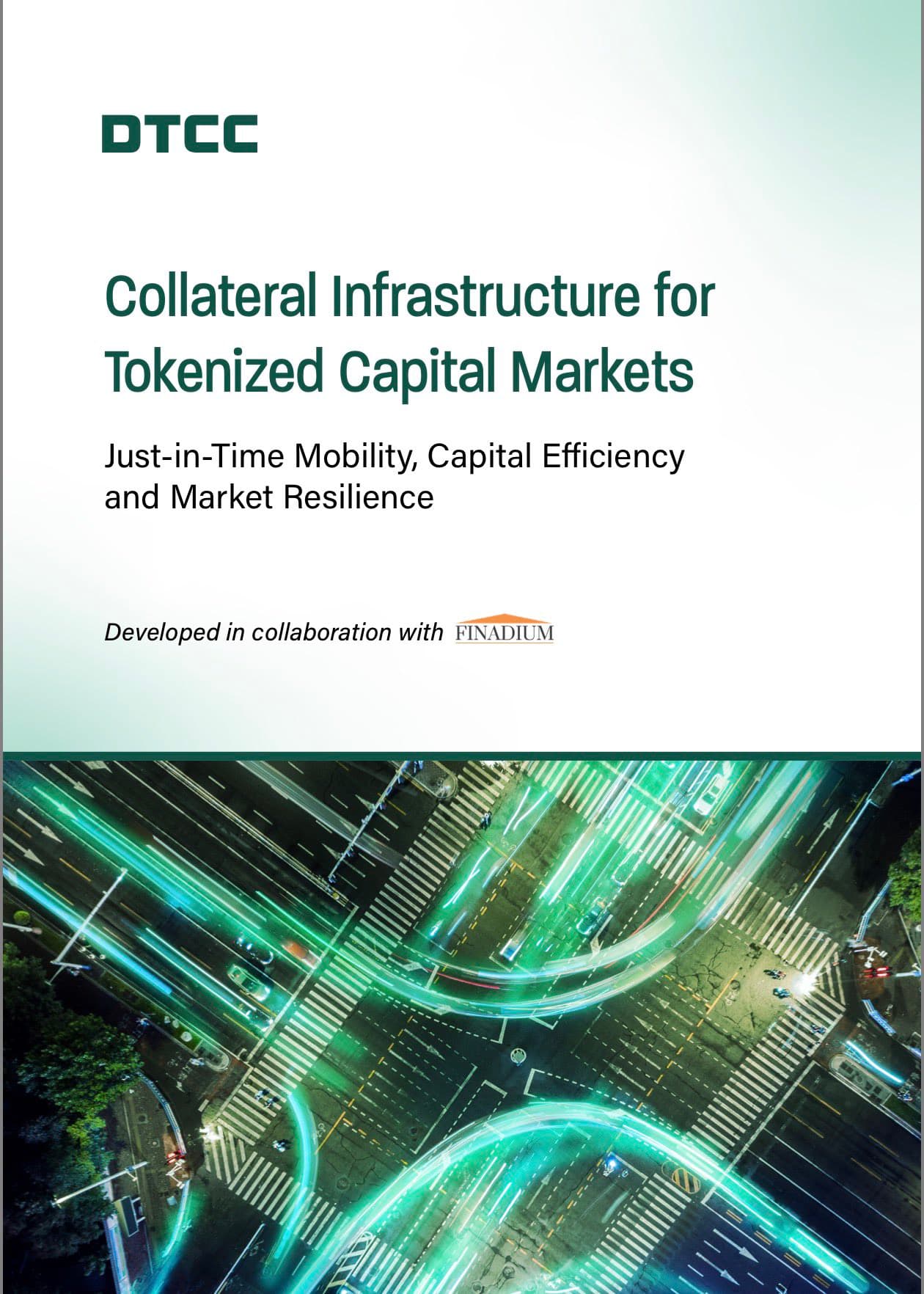
The global financial system is steadily moving toward a future where traditional assets, payments, and settlements operate on interconnected digital infrastructure rather than isolated legacy systems. A highlighted section from a recent document discussing collateral infrastructure for tokenized capital markets outlines the vision of the Bank for International Settlements (BIS) for what it calls the “Finternet” – an ecosystem where multiple financial networks communicate seamlessly, much like the internet connects information today. According to the document, unified ledgers and tokenization will serve as the foundation of this future architecture. These digital platforms are designed to bring together wholesale tokenized central bank money, tokenized commercial bank deposits, corporate shares, government bonds, real estate assets, and numerous other financial instruments into programmable environments capable of executing transactions around the clock. The report also points to increasing interest from crypto-native companies in participating directly within regulated financial markets. Firms such as Ripple, Circle and Coinbase are highlighted as organizations seeking opportunities to engage in activities traditionally reserved for established financial institutions. Their ambitions include using distributed ledger technology to issue, trade and settle securities while reducing reliance on multiple intermediaries. Supporters argue that such a transformation could reduce operational costs, improve settlement efficiency and unlock significant liquidity across global markets. Tokenization may also allow previously illiquid assets to become more accessible while enabling programmable compliance and automated execution of financial contracts. At the same time, regulators continue to debate how innovation should be balanced with investor protection and market stability. Discussions surrounding exemptions, regulatory frameworks and oversight remain active as governments evaluate how blockchain technology can coexist with existing financial infrastructure. If successfully implemented, unified ledgers and tokenized capital markets could reshape global finance by creating faster, more transparent and continuously available financial systems that operate beyond traditional business hours.
Published by Banx Network. This article is part of the Banx decentralized media programme, powered by the BXE token on the XRP Ledger.