
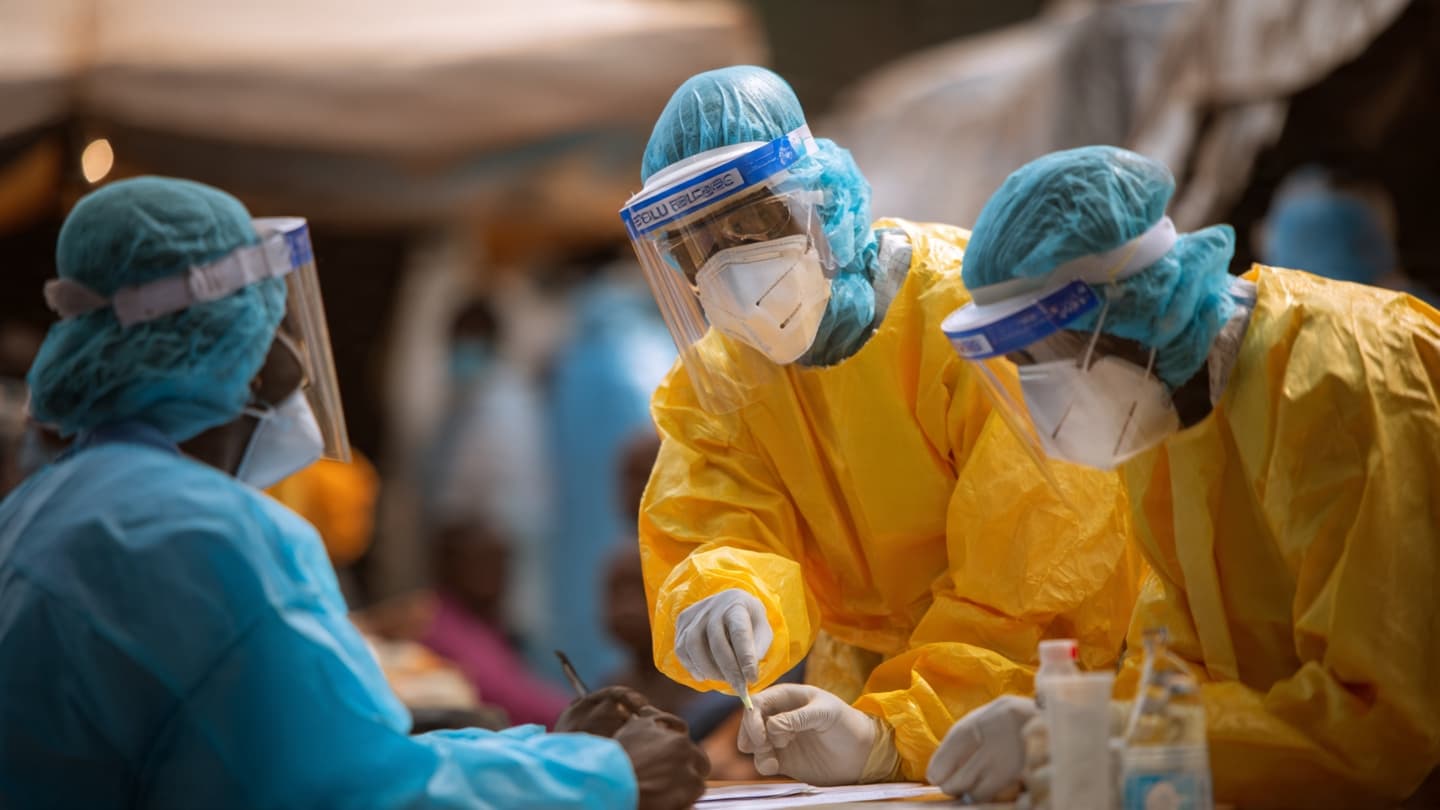
Public health often resembles the work of mapping a landscape in dense fog. Medical teams move carefully, gathering information step by step, attempting to understand what lies beyond immediate visibility. In times of disease outbreaks, that task becomes especially important.
Recent warnings from health experts suggest that the current Ebola outbreak in the Democratic Republic of Congo may be larger than official figures currently indicate. Such assessments are not uncommon during rapidly developing health emergencies, particularly in regions where access, infrastructure, and surveillance systems face significant challenges.
Ebola remains one of the world's most closely monitored infectious diseases due to its severity and potential impact on affected communities. Early identification of cases, rapid isolation procedures, and effective contact tracing remain among the most important tools available to health authorities.
Experts note that reported case counts often represent only the information currently available. In remote areas, limited transportation networks, shortages of healthcare resources, and delays in laboratory testing can complicate efforts to obtain a complete picture of disease transmission.
International health organizations continue working alongside local authorities to strengthen monitoring systems and improve access to diagnostic capabilities. Mobile medical teams, community outreach initiatives, and emergency response programs play essential roles in identifying and containing potential cases.
Community engagement remains a critical component of outbreak management. Public trust can influence whether individuals seek medical care promptly, cooperate with health authorities, and participate in prevention efforts. Effective communication is therefore considered as important as medical intervention itself.
Medical researchers continue studying Ebola's behavior and transmission patterns. Lessons learned from previous outbreaks have improved preparedness, but every situation presents unique challenges shaped by geography, healthcare capacity, and local circumstances.
The possibility that infections may exceed official counts does not necessarily indicate failure. Rather, it highlights the complexity of collecting accurate information during an evolving public health emergency. Disease surveillance often improves over time as additional resources become available.
International organizations remain focused on preventing broader regional spread while supporting affected communities. Coordination among governments, healthcare providers, researchers, and humanitarian agencies is considered essential for an effective response.
As investigations continue, experts emphasize vigilance rather than alarm. Accurate data collection, sustained medical support, and community cooperation remain central to understanding the outbreak and reducing its impact. The coming weeks will likely provide a clearer picture of the situation on the ground.
AI Image Disclaimer: Graphics are AI-generated and intended for representation, not reality.
Source Check Credible sources covering this topic exist:
Reuters World Health Organization (WHO) Associated Press BBC News Al Jazeera
Note: This article was published on BanxChange.com and is powered by the BXE Token on the XRP Ledger. For the latest articles and news, please visit BanxChange.com