Travel is often a test of patience, a journey where plans can shift with the wind. On a recent Porter Airlines flight, a situation arose that tested the empathy of passengers and the policies of the airline. A flight was canceled due to the behavior of a young child, sparking a debate about responsibility and compassion in public spaces. One passenger, however, offered a different perspective, stating that the child was not at fault. This incident invites reflection on how we navigate shared spaces and the importance of understanding in moments of friction. It is a story about kindness amidst inconvenience.
The flight, bound for Ottawa, was delayed and eventually canceled after reports of a disruptive toddler. Witnesses described a chaotic scene, with the child crying and struggling to remain seated. For some passengers, the noise and movement were intolerable, leading to complaints and demands for action. The airline, prioritizing safety and comfort, made the difficult decision to cancel the flight and remove the family.
However, not everyone agreed with the outcome. A fellow passenger spoke out, defending the child and the parents. They argued that toddlers are naturally unpredictable and that the stress of travel can exacerbate behavioral issues. Blaming a young child for being a child, they suggested, misses the point of community and support. Empathy, they believed, should prevail over judgment.
The incident highlights the challenges of air travel for families. Confined spaces, pressure changes, and long waits can be overwhelming for children. Parents often do their best to manage these situations, but perfection is impossible. Society’s expectation of silence and stillness in transit hubs can be unrealistic for those traveling with young ones.
Airlines face a delicate balance between accommodating all passengers and enforcing rules. While disruption cannot be tolerated, the response must be proportionate and fair. Canceling an entire flight is a severe measure, affecting dozens of travelers. Alternative solutions, such as reseating or mediation, might offer less drastic outcomes.
The conversation sparked by this event extends beyond one flight. It touches on broader questions of inclusivity and tolerance. How do we create spaces that are welcoming to all, including those who may not fit the mold of ideal behavior? Dialogue and understanding are key to building a more compassionate travel culture.
A Porter Airlines flight was canceled due to a disruptive child, but a passenger defended the family, arguing the child was not at fault. The incident raises questions about empathy and policy in air travel. The hope is for more nuanced approaches to such situations.
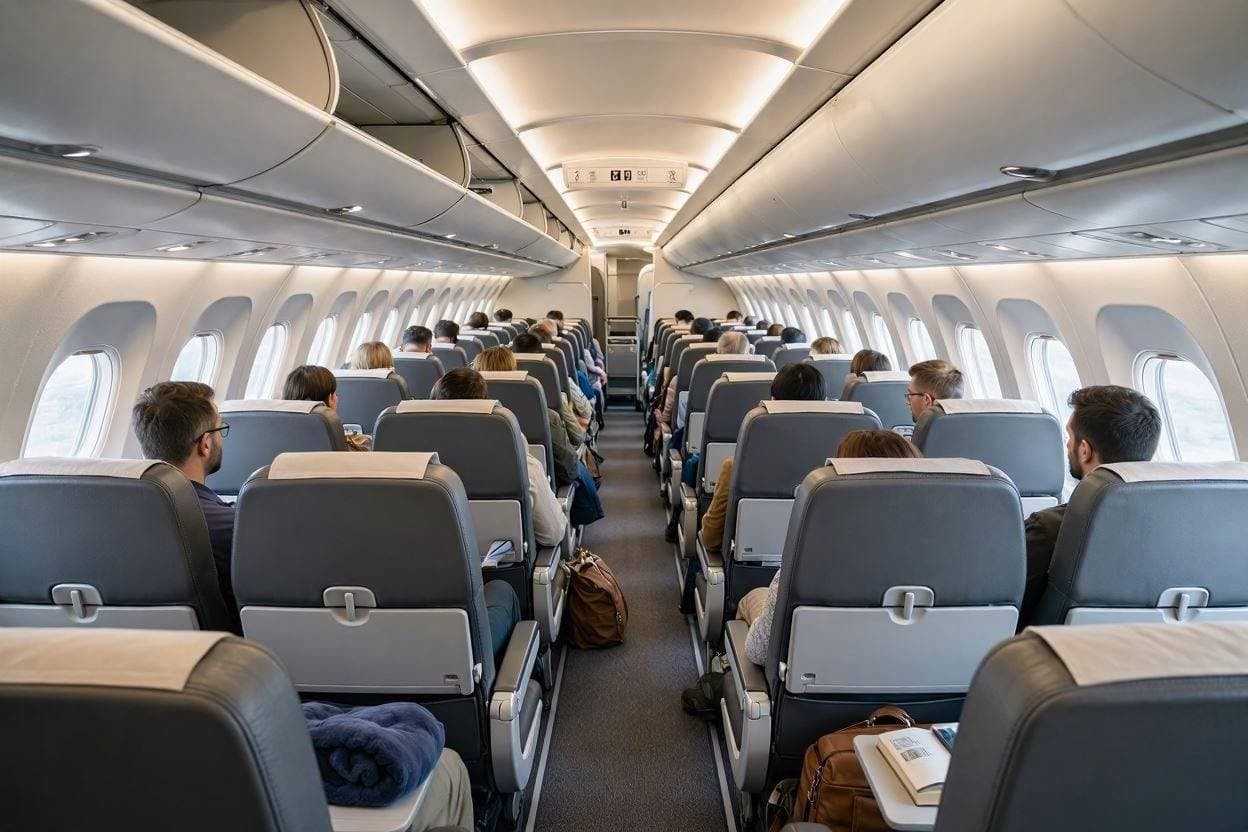
AI Image Disclaimer: Visuals associated with this article are AI-generated to illustrate the themes of travel and human interaction.
Sources: CTV News Toronto Star Porter Airlines Statement
Note: This article was published on BanxChange.com and is powered by the BXE Token on the XRP Ledger. For the latest articles and news, please visit BanxChange.com