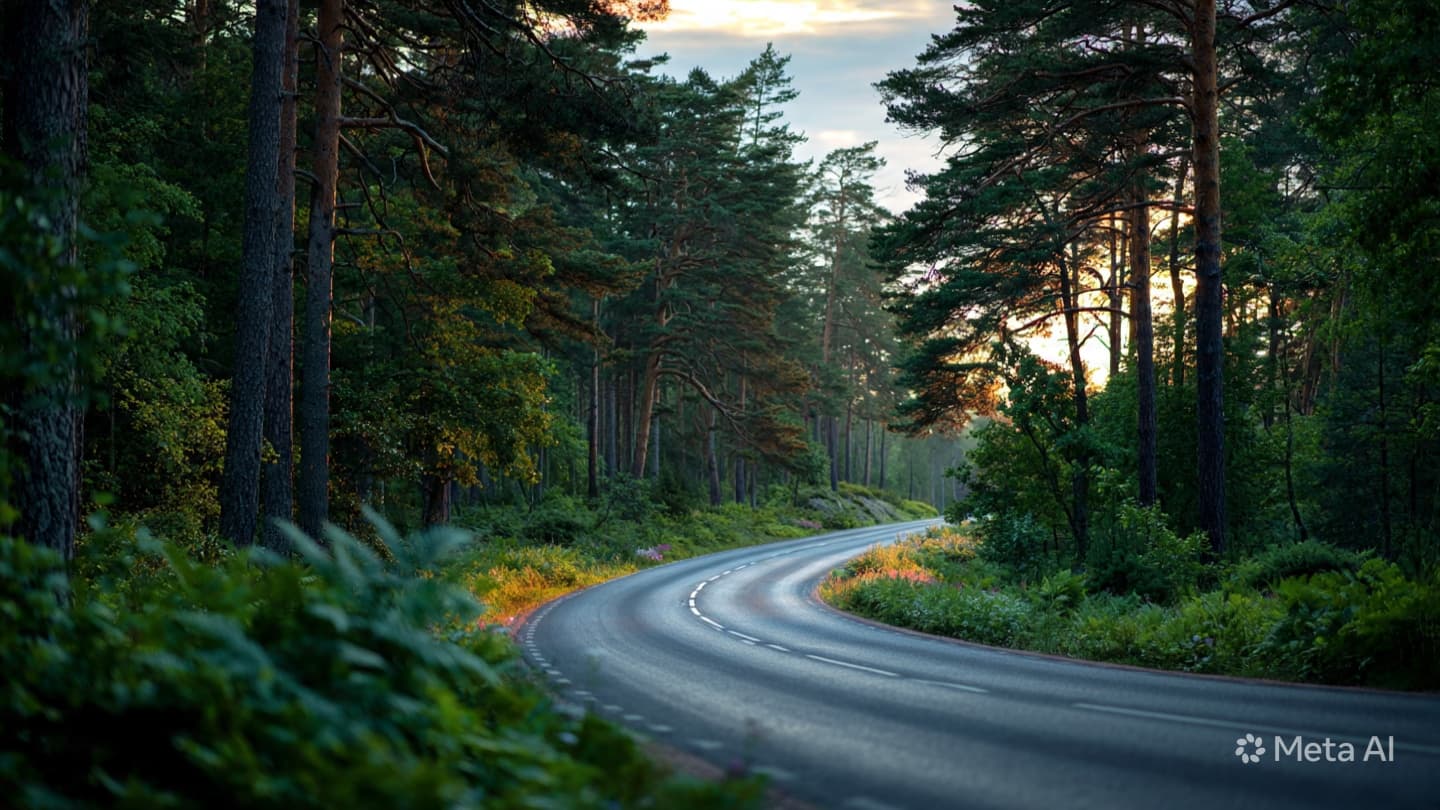
The forest has a way of breathing in the rhythm of the seasons, an ancient, persistent pulse that does not stop where the pavement begins. In the quiet transition zones between the deep, shadowed thickets of Estonia and the burgeoning edges of our urban centers, a story of proximity is unfolding. It is a story told in the fleeting shape of a roe deer in the morning mist, or the sudden, silent grace of a lynx traversing the fringes of a suburban garden. As our human footprints expand, reaching into the embrace of the landscape, we find ourselves sharing our space with a presence that is as familiar as it is untamed.There is a quiet beauty in this intersection, a reminder that we are never truly separate from the wild. Yet, as the warmth of spring awakens the land, this proximity brings with it a season of necessary awareness. The creatures that share our geography are, at this time of year, particularly active, driven by the instinctive search for food and the natural curiosity of the young. Their routes—paths worn into the earth long before the first road was laid—frequently intersect with our own, creating moments of sudden encounter that demand a profound, shared attention. The Estonian Transport Administration has recently echoed this call for vigilance, speaking with the measured tone of those who understand the patterns of the land. They remind us that the road, while a marvel of human efficiency, is often an intrusion upon these long-established animal highways. Before the sun rises and in the fading light of evening, when the world is draped in a soft, ambiguous grey, the activity reaches its peak. It is during these hours that the forest reaches out, and our own caution must reach back to meet it.To drive through these corridors is to participate in a larger, quieter movement. It requires a shedding of haste, a willingness to look beyond the immediate path and into the peripheral brush where shadows might shift. The wildlife does not perceive our speed or our mechanical intentions; they only know their own path, their own drive to survive and thrive. When we move through their territory, the responsibility falls to us to be the bridge between our need for pace and their need for space.This phenomenon is not a new occurrence, but its frequency is a testament to the sprawling nature of our modern living. As housing developments reach into the green spaces, the animals find themselves in a landscape that has been layered with our structures. It is a common scene now to see signs of this co-habitation—a hare in a municipal park, or the tracks of a wild visitor in a freshly tended garden. These encounters are a mirror of our own environmental footprint, a reflection of the reality that we are living in a shared, interconnected home.In the more rural stretches, the awareness of this proximity is heightened by technology. On some of our more significant road sections, sensors act as a silent guardian, flashing a warning when a movement is detected in the dark. It is a modern dialogue between the natural and the man-made, a way of acknowledging that the path is not ours alone. When those lights begin their rhythm, the speed limit drops, and the pace of life itself slows to accommodate the passing of a wild life that has no concept of our laws, only the imperative of its own existence.But even beyond the sensors, the responsibility rests on the individual. It is found in the simple act of slowing down, of acknowledging that the roadside forest is not just a backdrop, but a living room for the creatures of the field and thicket. It is a lesson in humility, learning to exist alongside the elk, the deer, and the smaller inhabitants of the woods without demanding their departure. We are, after all, the ones who have moved into their quiet, ancient corners.As we look toward the months ahead, we are invited to cultivate a greater sense of grace in our movements. We are invited to recognize that every drive, every walk at the edge of the forest, is a moment of potential connection with the wild. By honoring these boundaries, by respecting the silent transit of the forest's dwellers, we enrich the quality of our own lives, ensuring that the wildness—the very thing that gives our landscape its character—remains an enduring, respected neighbor.Estonian authorities, including the Transport Administration, have issued seasonal warnings urging drivers to remain highly alert for wildlife, particularly at dawn and dusk. Spring conditions have increased the movement of animals, including large ungulates, near roads and suburban fringes. Motorists are advised to reduce speed in known hazard zones and pay close attention to warning signs or wildlife detection systems. These precautions are essential as younger animals begin to navigate habitats that are increasingly fragmented by human development and transit infrastructure.
Published by Banx Network. This article is part of the Banx decentralized media programme, powered by the BXE token on the XRP Ledger.