Opening: For decades, the red planet has served as a canvas for humanity’s most profound questions about our place in the cosmos. The search for life on Mars has been a driving force behind numerous missions, capturing the imagination of scientists and the public alike. Yet, as resources tighten and strategic goals evolve, NASA is quietly recalibrating its focus, shifting away from the direct hunt for biological signatures toward broader geological and preparatory objectives.
Body: This strategic pivot comes after fifty years of exploration that began with the Viking landers and continued through the sophisticated rovers of today. While the quest for ancient microbial life remains a scientific interest, it is no longer the singular priority that once dictated mission design and funding. Instead, the agency is placing greater emphasis on understanding the planet’s climate history, resource potential, and the technological challenges of future human presence.
The decision reflects a pragmatic assessment of the complexities involved in detecting life billions of miles away. Without the ability to return samples to Earth for detailed analysis, the current tools offer limited certainty. By focusing on geology and atmospheric science, NASA aims to build a more comprehensive foundation for eventual human exploration, ensuring that when astronauts do arrive, they are equipped with the knowledge needed to survive and thrive.
Critics argue that this shift may delay or even derail the chance to answer one of science’s biggest questions. However, proponents suggest that a broader approach will yield more immediate and tangible benefits, such as identifying water ice deposits and understanding radiation levels. These insights are crucial for planning sustainable long-term missions, moving beyond robotic scouts to human pioneers.
The international landscape of Mars exploration is also changing, with other nations advancing their own programs. China’s Tianwen missions and European collaborations are filling some of the gaps left by NASA’s reprioritization. This global effort ensures that the search for life continues, even if the American flagship programs take a different path. Competition and cooperation alike drive innovation forward.
For the scientific community, this transition brings both uncertainty and opportunity. Researchers who dedicated their careers to astrobiology must now adapt to new frameworks and funding landscapes. Yet, the data collected by previous missions remains a rich resource, offering new avenues for discovery through reanalysis and advanced modeling techniques.
Public engagement with Mars exploration remains strong, driven by the enduring allure of the unknown. While the headline-grabbing search for little green men may fade, the steady accumulation of knowledge about our planetary neighbor continues. Each image sent back from the surface adds to a growing library of understanding, inspiring the next generation of explorers.
Closing: As NASA redirects its gaze, the story of Mars exploration enters a new chapter. The search for life may pause, but the journey of discovery continues, guided by a renewed focus on preparation, sustainability, and the ultimate goal of human arrival.
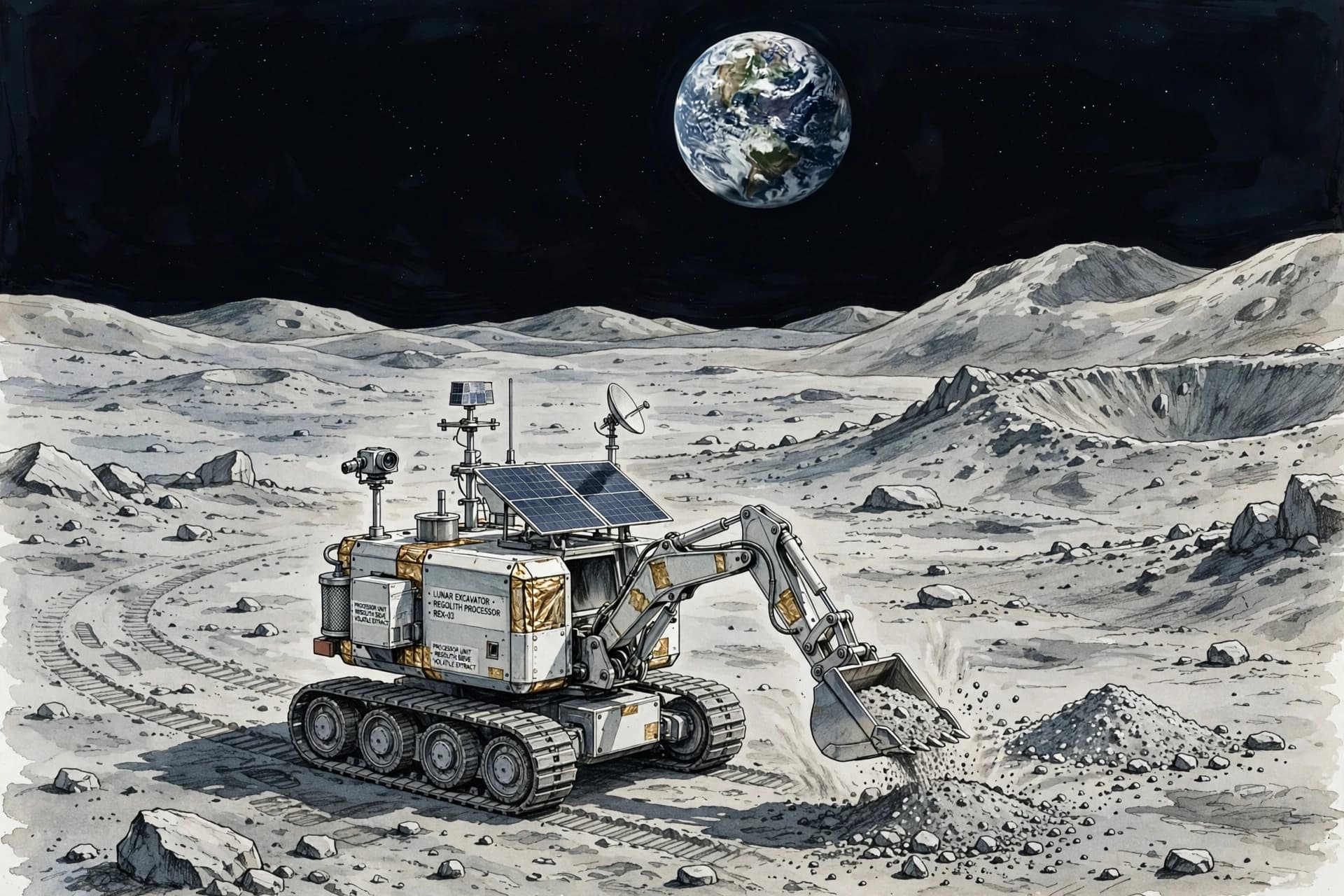
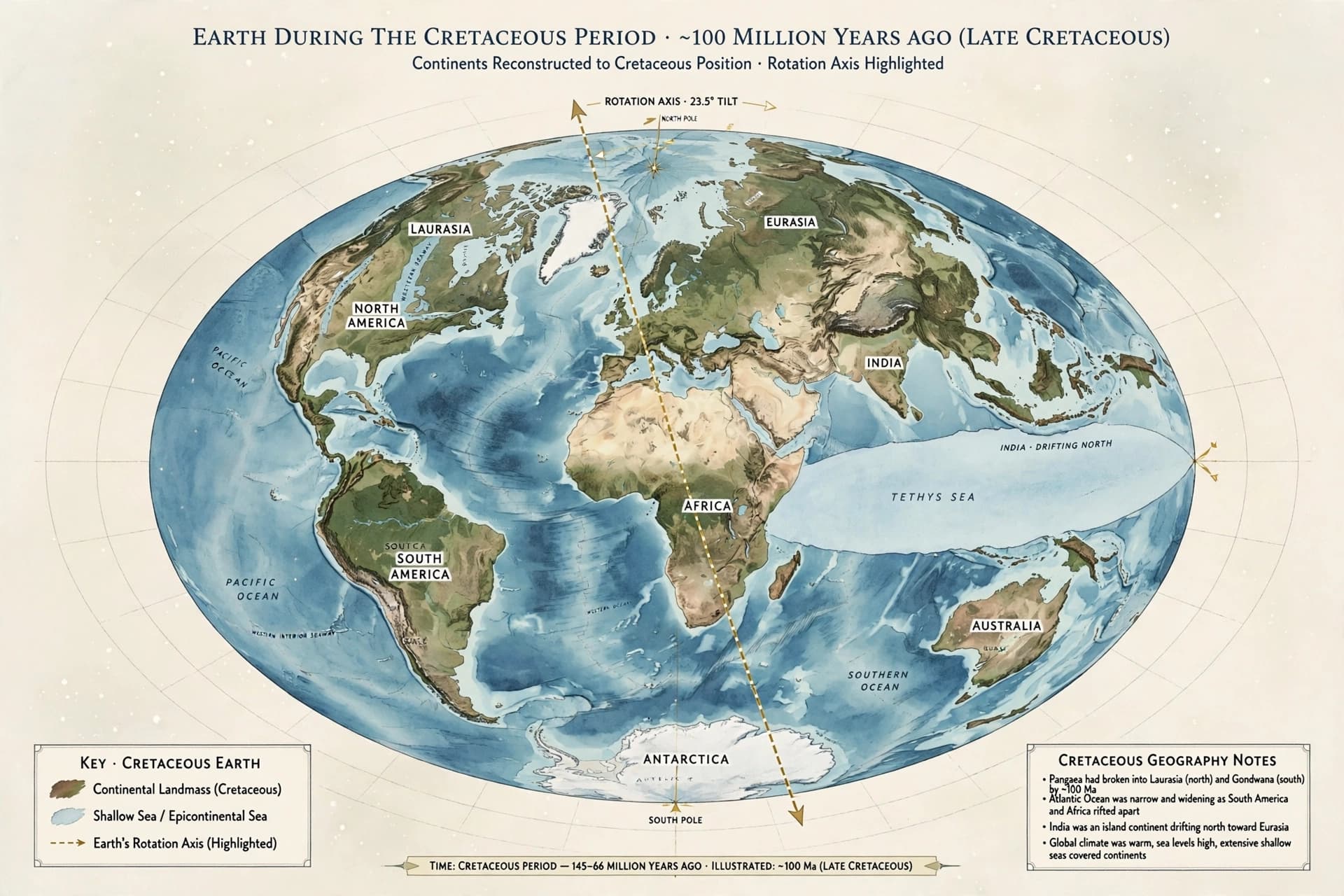
AI Image Disclaimer: The visual content accompanying this article is AI-generated for illustrative purposes and does not depict actual footage from Mars or NASA facilities.
Sources: Science News NBC News National Academies NASA
Published by Banx Network. This article is part of the Banx decentralized media programme, powered by the BXE token on the XRP Ledger.