
The southwestern coast of Madagascar, centered around the vibrant port city of Toliara, features one of the largest and most ecologically diverse barrier reef systems in the world—the Great Reef of Toliara. This massive underwater structure extends for over one hundred kilometers, creating a protective barrier that shields the low-lying coastline from intense ocean surges and forms a sanctuary for thousands of marine species, including rare sea turtles, colorful reef fish, and endemic cetaceans. For centuries, the Vezo people—traditional nomadic seafarers—have organized their entire culture and economy around this marine paradise, relying on ancestral hand-line fishing techniques and handcrafted wooden outrigger canoes (*lakana*) to sustain their families.
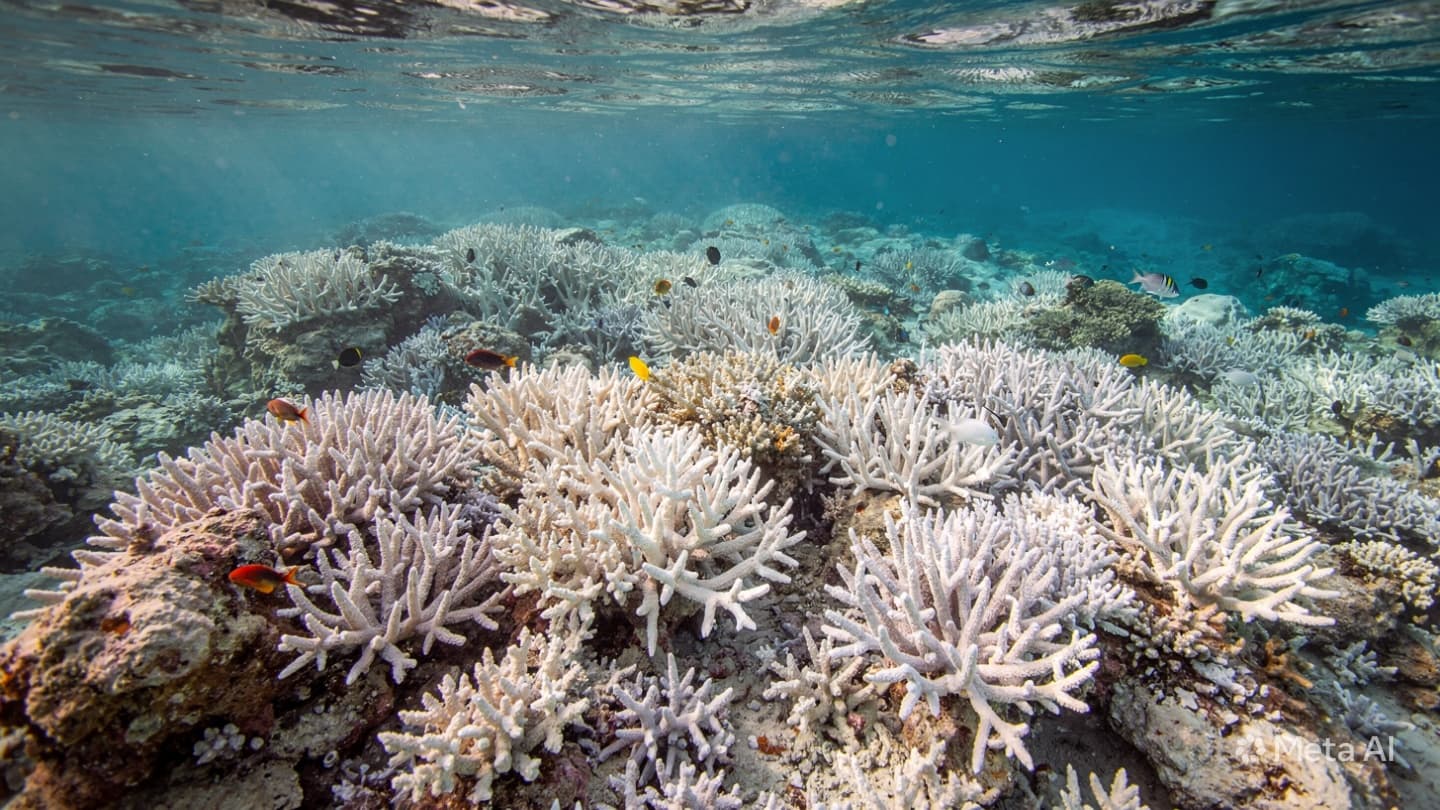
This magnificent marine ecosystem faces a critical ecological crisis as a sustained marine heatwave, driven by broader regional atmospheric changes, pushes Indian Ocean water temperatures well above normal seasonal thresholds. The transition from a thriving, colorful underwater habitat to a stark landscape of thermal stress occurs rapidly across the shallow reef flats, where corals begin expelling their symbiotic algae, turning a ghostly, translucent white. This widespread coral bleaching event threatens the structural integrity of the entire barrier reef, as prolonged thermal stress leads to widespread coral mortality, destroying the foundational nurseries that support the local fish populations upon which the coastal economy depends.
The immediate fallout of this ecological disruption directly threatens the food security and economic survival of thousands of traditional fishing families along the southwestern littoral zone. With the inner reef ecosystems severely degraded, artisanal fishermen are forced to travel much further out into the treacherous open ocean in their small canoes to locate dwindling fish stocks, significantly increasing the physical danger of their daily labor. Local fish markets in Toliara experience a sharp decline in daily catch volumes, driving up prices for urban consumers and eliminating the primary source of affordable protein for vulnerable rural communities, illustrating how rapidly marine environmental degradation impacts human welfare.
Marine biologists, local university researchers, and international conservation organizations are accelerating a series of emergency monitoring and habitat restoration initiatives to save the remaining resilient coral colonies. Multi-disciplinary scientific teams are conducting extensive underwater surveys to identify specific "thermal refugia"—pockets of the reef where deeper, cooler currents prevent bleaching—and collecting resilient coral fragments to cultivate in specialized, ocean-based nurseries. These heat-tolerant strains are carefully grown on artificial structures before being manually transplanted back onto the damaged sections of the barrier reef, representing a sophisticated effort to engineer climate resilience directly into the marine park.
For coastal community leaders and environmental advocates, the reef crisis emphasizes the urgent necessity of establishing strictly enforced marine protected areas (MPAs) that are completely off-limits to destructive fishing practices. By eliminating secondary human stressors, such as illegal spear-fishing or the use of beach seine nets, the bleached corals are given the maximum biological opportunity to recover their health during the cooler seasonal cycles. Village-led maritime monitoring networks, working in coordination with regional environmental authorities, are expanding daily patrols to protect these vital underwater sanctuaries from poaching, empowering the Vezo people to actively defend their ancestral territory.
As the evening tide sweeps over the outer shoals of the Great Reef, the traditional outrigger canoes glide silently back into the shallow coastal lagoons, their sails catching the cool southern breeze. The deep, historic bond between the seafaring communities and the coral ecosystem remains the central pillar of life along the southwestern coast, a relationship that must now navigate the uncertainties of a changing global climate. The path to complete marine ecosystem recovery will require long-term international scientific cooperation and sustained local enforcement, but preserving the protective barrier reef remains absolutely essential for safeguarding the future of the island's coastal heritage.
A prolonged marine heatwave has triggered a severe coral bleaching event across the Great Reef of Toliara in southwestern Madagascar, threatening the structural survival of the barrier reef and local artisanal fisheries. Marine conservation researchers report that elevated water temperatures have caused widespread thermal stress among sensitive coral species, jeopardizing the vital marine nurseries that sustain traditional Vezo fishing communities. In response, regional marine management boards and international oceanographic institutes have launched an emergency intervention, expanding village-led marine protected areas and deploying underwater nurseries to cultivate heat-resilient coral strains. Authorities warn that without immediate conservation interventions, the loss of reef biodiversity will severely compromise regional food security and coastal protection.
Note: This article was published on BanxChange.com and is powered by the BXE Token on the XRP Ledger. For the latest articles and news, please visit BanxChange.com