The border state of Tachira occupies a unique and difficult position, serving as a crossroads where the flows of trade, migration, and power intersect. However, this strategic location has become a magnet for competing armed groups, resulting in sporadic yet violent clashes that have left civilian lives caught in the crossfire. The recent fatalities underscore a sobering reality: for the residents of the borderlands, the instability of the environment is not a remote abstraction, but a dangerous daily condition.
These clashes are the outward manifestation of a struggle for influence, as different groups attempt to assert dominance over the paths and territories that define the border. When these confrontations erupt, they do so with a speed and intensity that often catches the local population unprepared. The tragedy is that those who have the least stake in these power struggles—the families, the workers, and the travelers—are the ones who ultimately pay the highest price.
Authorities are tasked with an immensely difficult job in Tachira. Policing a border is complex under the best of circumstances; doing so in an environment where non-state armed actors are actively pursuing their own objectives is a task of another magnitude. The recent fatalities indicate that current measures are insufficient, leading to an environment where the state’s presence is challenged and the protection of its citizens is compromised.
The civilian fatalities have sparked renewed calls for the restoration of safety and the end of armed activity in the region. This is a demand that transcends politics; it is a fundamental appeal for the preservation of life. For the residents of Tachira, the priority is not the geopolitical maneuvering of these groups, but the ability to conduct their lives without the fear of sudden violence. The situation requires a more robust engagement from both the national and regional levels to provide that certainty.
The human cost of these conflicts is far-reaching. Beyond the immediate loss of life, there is the lingering trauma that permeates the community, the economic paralysis that follows insecurity, and the erosion of the social cohesion that is essential for a border region to function. The cycle of violence is self-perpetuating, as each incident creates new grievances and drives further destabilization.
As investigations into the recent fatalities proceed, the focus must remain on the commitment to civilian safety. This requires not only a tactical approach to the armed clashes but also a strategic commitment to the development of the borderlands. It is only through a comprehensive effort that addresses the security, economic, and administrative needs of Tachira that a sustainable peace can be achieved.
In the meantime, the residents of the border state wait for a resolution. Their resilience, while remarkable, is a fragile shield against the volatility of their surroundings. The hope is that the recent tragedies will serve as a catalyst for a meaningful shift in policy, leading to an environment where the border is defined by movement and prosperity rather than the tragic loss of civilian lives.
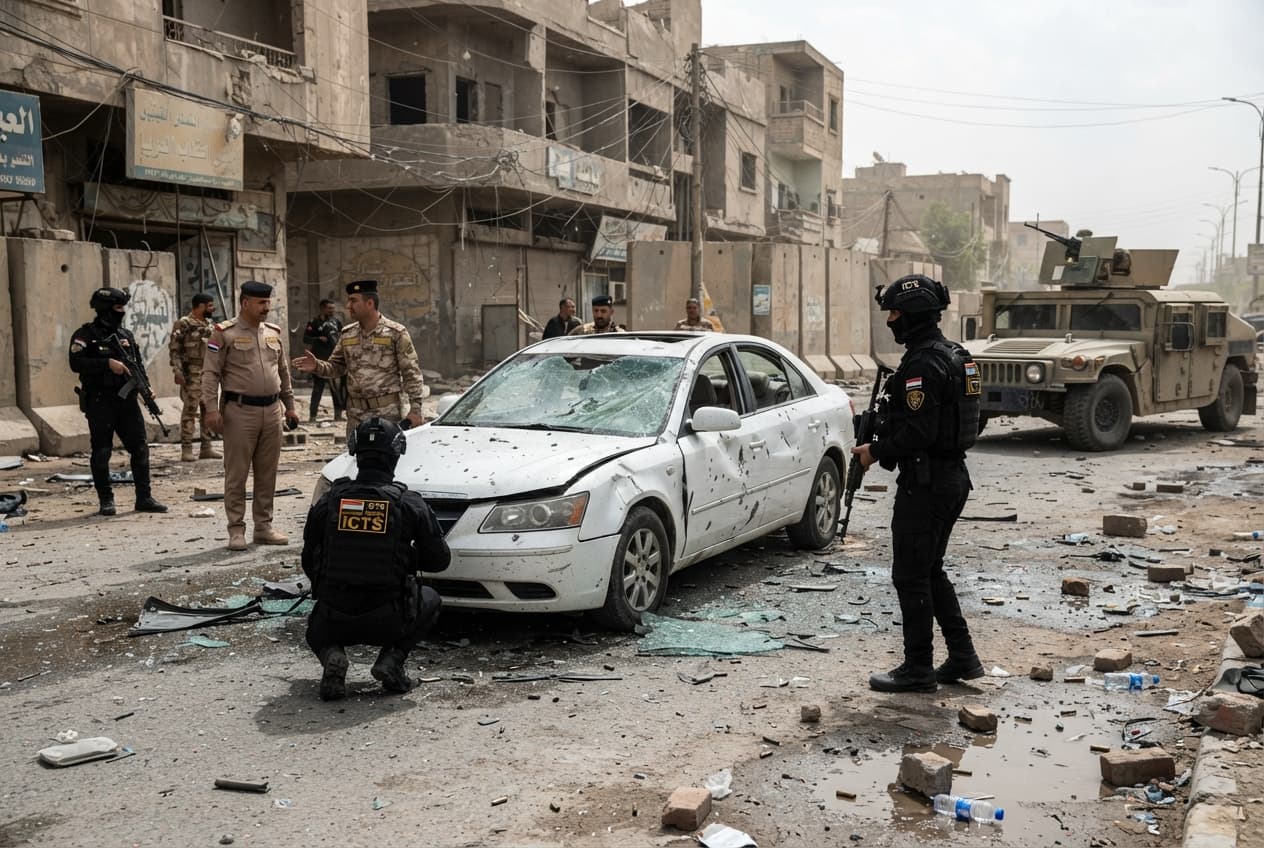
Armed clashes between competing groups in the border state of Tachira have resulted in a series of civilian fatalities. Security forces are actively responding to these incidents and have implemented stricter measures in the affected areas to manage the threat. Officials have initiated a full investigation into the nature of these clashes and are working to stabilize the region while providing additional protection for vulnerable civilian populations.
Published by Banx Network. This article is part of the Banx decentralized media programme, powered by the BXE token on the XRP Ledger.