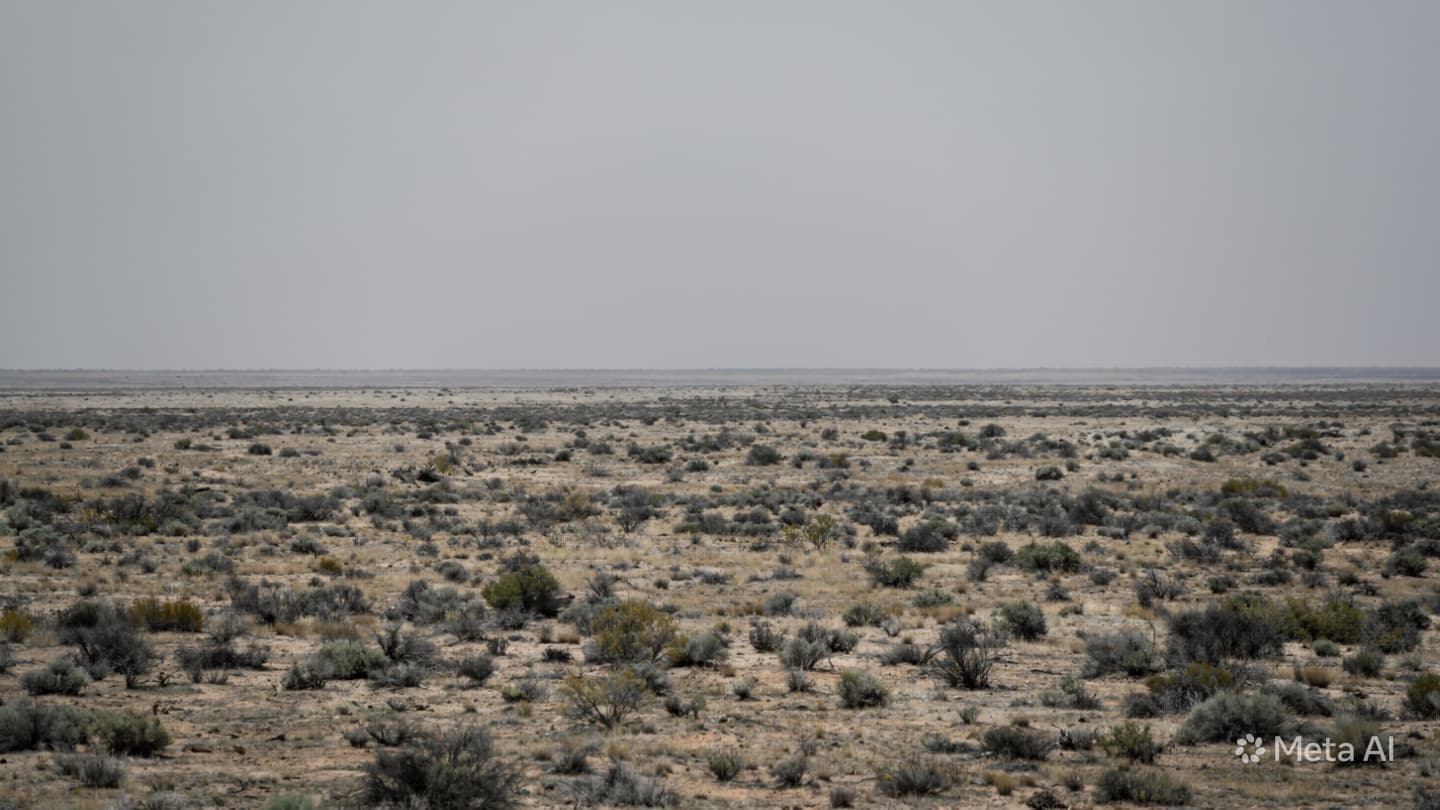
The borderland is a place of shifting meanings, where the lines drawn upon a map struggle to contain the messy, kinetic reality of human movement and political friction. In the scrublands stretching between Colombia and Venezuela, the air often holds a thickness that has little to do with the humidity and everything to do with the invisible tensions of a long-contested space. Here, the law is a relative term, and the safety of the individual is frequently eclipsed by the broader, more brutal maneuvers of those who vie for control over the invisible paths that crisscross the territory.
In the final days of May 2026, the quiet of the border region was again punctured by the sound of gunfire. It is a recurring rhythm, a harsh and sudden intrusion upon the lives of those who attempt to sustain their livelihoods in the shadow of the frontier. The incidents, scattered and seemingly disparate, speak to a larger story of instability that has defined this corridor for years. There is no triumph in such events, only a weary acknowledgment that the promise of a peaceful border remains, for now, a distant and flickering aspiration.
To understand the weight of these shootings, one must look beyond the immediate tally of casualties and consider the environment in which they occur. This is a region where local communities are caught in a permanent state of negotiation with armed groups, state actors, and the harsh realities of a porous divide. The violence is rarely senseless; it is often a grim punctuation in a battle for influence, resources, and the control of the clandestine routes that are the lifeblood of this complex, neglected geography.
The human cost is, as always, carried by the civilians—the farmers, the traders, and the families who simply wish to exist outside the orbit of the conflict. Their lives are shaped by the constant, low-level hum of anxiety, a background noise that only spikes when the conflict breaks the surface. When a shooting occurs, it is not merely a break in the peace; it is a violent assertion of control over their reality. It forces a retreat into the quiet spaces of home, a physical shrinking of their world as they wait for the tension to dissipate.
International observers and aid organizations, tasked with monitoring the fragile equilibrium of the area, find themselves walking a narrow path. Their presence is a form of advocacy, a silent insistence that the humanity of these populations should not be erased by the politics of the border. They document the incidents, they offer support where they can, and they attempt to hold the space for a future where the frontier might be defined by exchange rather than confrontation. Yet, their work is constrained by the same volatility that makes their presence so vital.
There is a sense of inevitability that begins to cling to these reports. It is the danger of a long-standing crisis—that it becomes background noise, a fixed feature of the landscape that no longer commands the attention it deserves. The shootings in the border region are a stark challenge to this apathy. They demand that we look again at the people who remain, the lives that are lived in the margins, and the persistent, systemic failures that keep this border in a state of perpetual disquiet.
As the authorities issue their brief, procedural statements, the reality on the ground remains far more complex and far less resolved. The border is not a static object; it is a living, breathing, and often bleeding entity that defies the simplicity of policy. To watch this region is to observe the limits of order and the persistent power of the human spirit to endure within the fractures.
Ultimately, the borderland remains a testament to the fact that peace is not merely the absence of conflict, but the presence of security, dignity, and a shared vision for the future. As long as these elements remain elusive, the path along the Colombia-Venezuela divide will continue to be marked by the echoes of gunfire and the heavy, lingering silence of those who wait for a different kind of morning.
Fatal shooting incidents were reported on May 29 and May 30, 2026, in the rural border regions between Colombia and Venezuela. Local sources and human rights monitors indicate that several individuals, including local business owners, were targeted in suspected clashes between rival armed factions operating in the area. The humanitarian situation remains precarious as local authorities struggle to assert control, and international aid organizations have warned of increased risks for civilian populations traveling through the contested territory.
Published by Banx Network. This article is part of the Banx decentralized media programme, powered by the BXE token on the XRP Ledger.