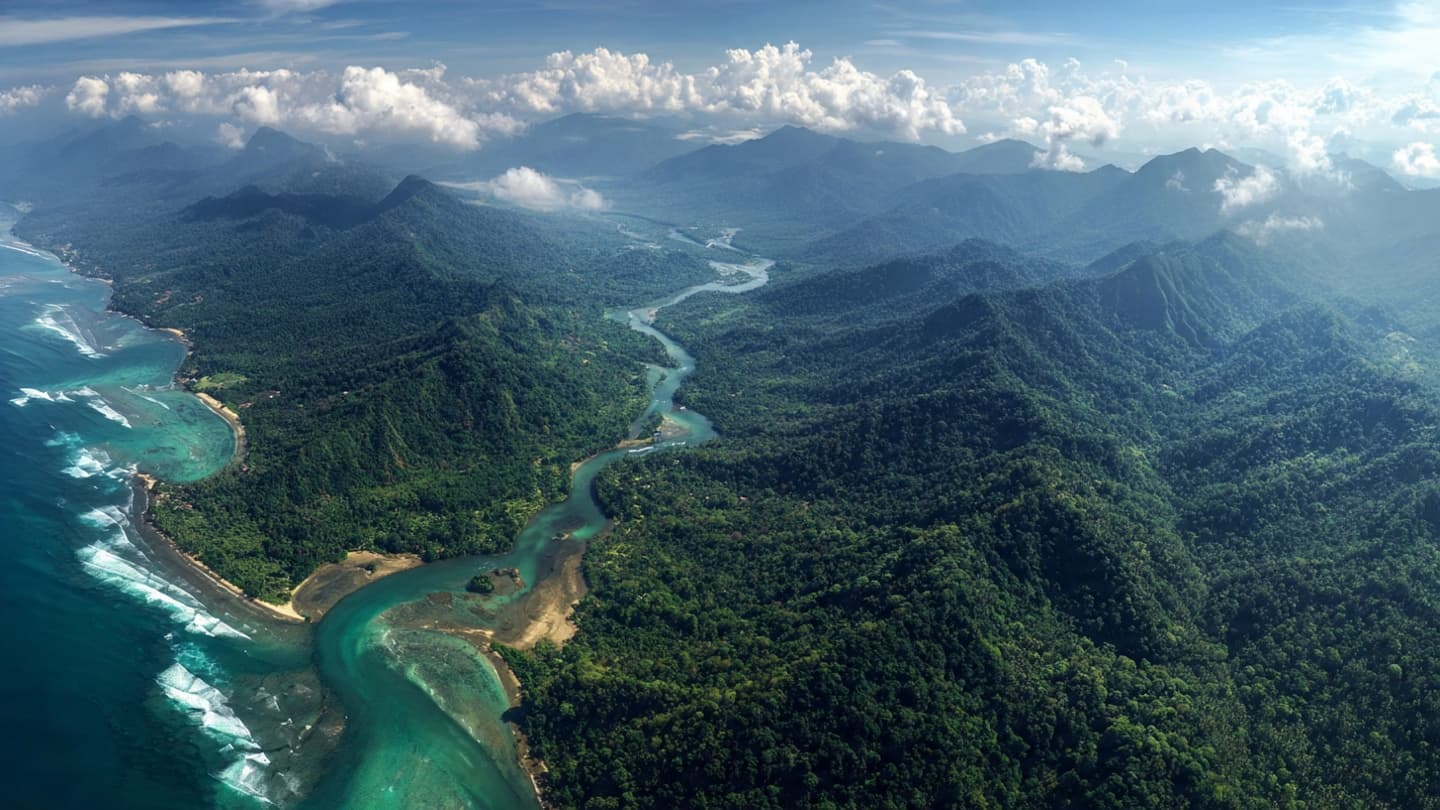
Across Indonesia’s vast archipelago, where forests meet coastlines and mountains rise above tropical valleys, nature has always been part of the country’s identity. Yet beneath the familiar beauty of these landscapes, subtle changes are reshaping the relationship between communities and the environment they depend on.
Climate change has brought new challenges to many regions of Indonesia. Shifting rainfall patterns, rising temperatures, coastal pressures, and ecosystem changes have encouraged greater attention toward environmental protection and adaptation strategies.
As one of the world’s largest archipelagic nations, Indonesia carries a unique environmental responsibility. Thousands of islands contain forests, marine ecosystems, and biodiversity that support both local livelihoods and global ecological balance.
Government agencies, researchers, and environmental organizations have continued developing programs focused on conservation, restoration, and public awareness. These efforts seek to strengthen the connection between environmental protection and everyday community activities.
Forests remain an important part of Indonesia’s environmental landscape. They provide habitats for countless species, support water systems, and contribute to climate regulation. Protecting these areas has become closely linked with broader discussions about sustainable development.
Coastal regions also represent a significant part of this environmental story. Many communities living near the sea are adapting to changing conditions through ecosystem protection, coastal management, and local initiatives designed to improve resilience.
Technology and scientific research are increasingly supporting these efforts. Satellite monitoring, climate data analysis, and environmental mapping are helping researchers better understand changes across Indonesia’s diverse landscapes.
The challenges are not limited to Indonesia alone. Around the world, countries are facing similar questions about how to balance economic development with the protection of natural systems. Indonesia’s experience reflects a larger global search for practical solutions.
Environmental awareness has also become an important part of the national conversation. Communities, schools, businesses, and organizations are increasingly involved in efforts that encourage more sustainable relationships with nature.
As Indonesia continues responding to environmental pressures, the journey remains ongoing. The country’s forests, oceans, and communities represent a living landscape where adaptation and conservation continue to shape the path toward a more sustainable future.
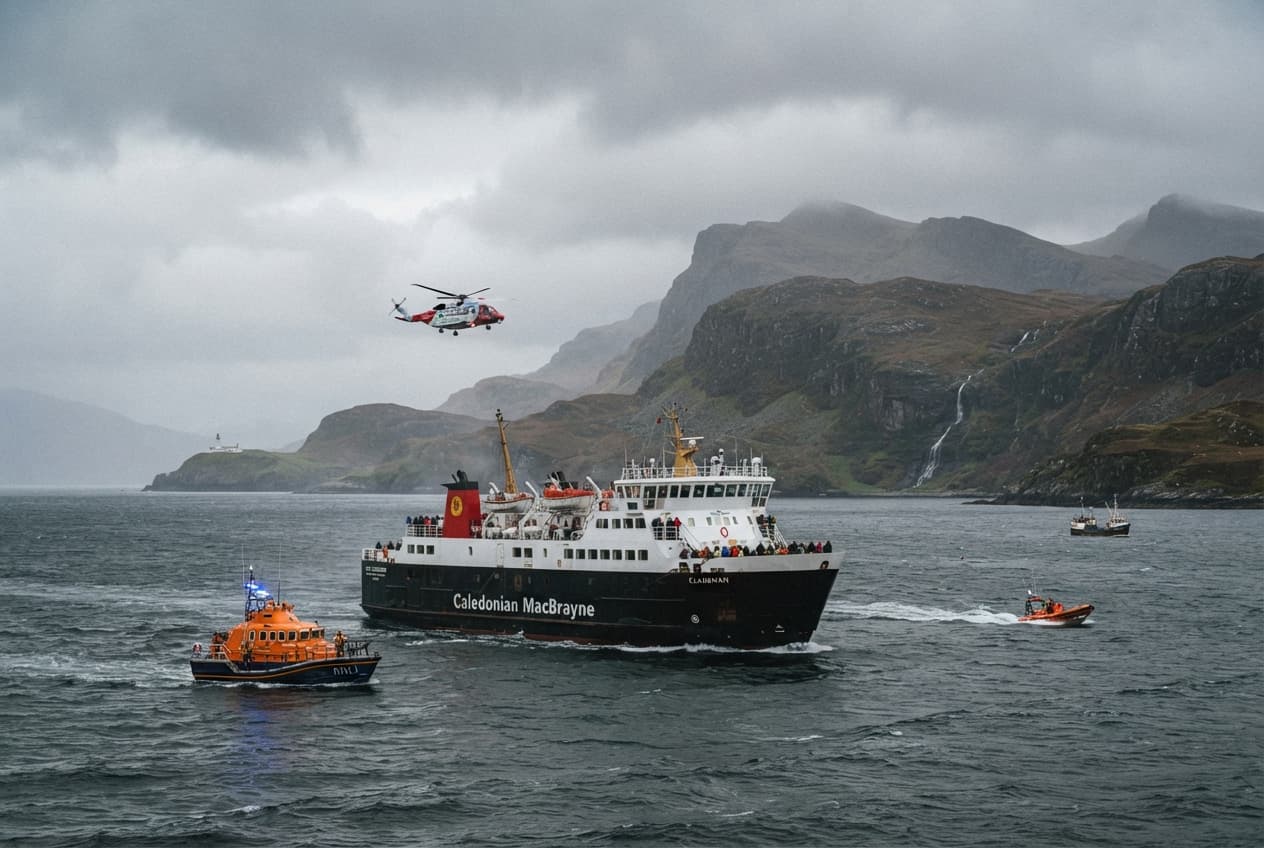
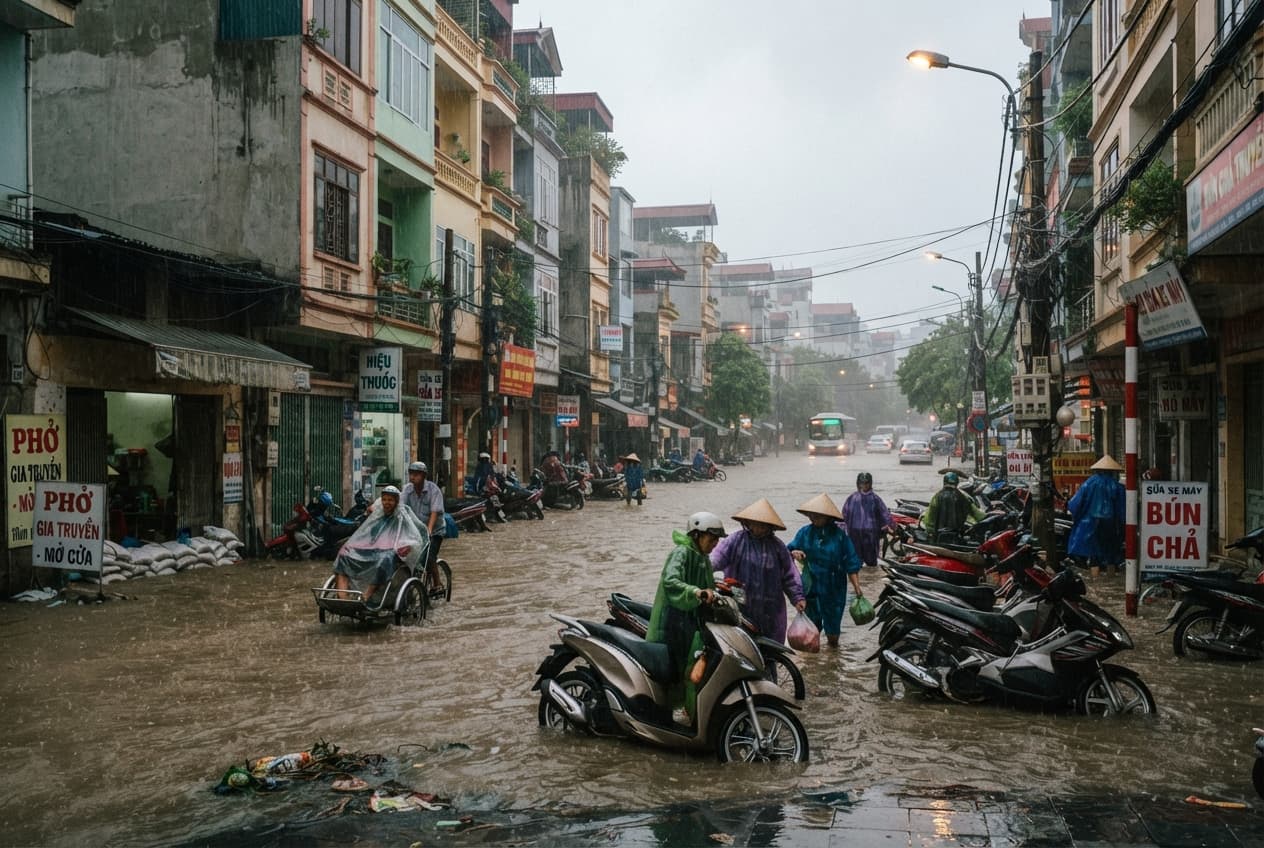
AI Image Disclaimer Visuals are AI-generated conceptual illustrations created to represent environmental scenarios and are not real photographs.
Sources
ANTARA News United Nations Environment Programme World Bank World Resources Institute Ministry of Environment and Forestry Indonesia
Published by Banx Network. This article is part of the Banx decentralized media programme, powered by the BXE token on the XRP Ledger.