
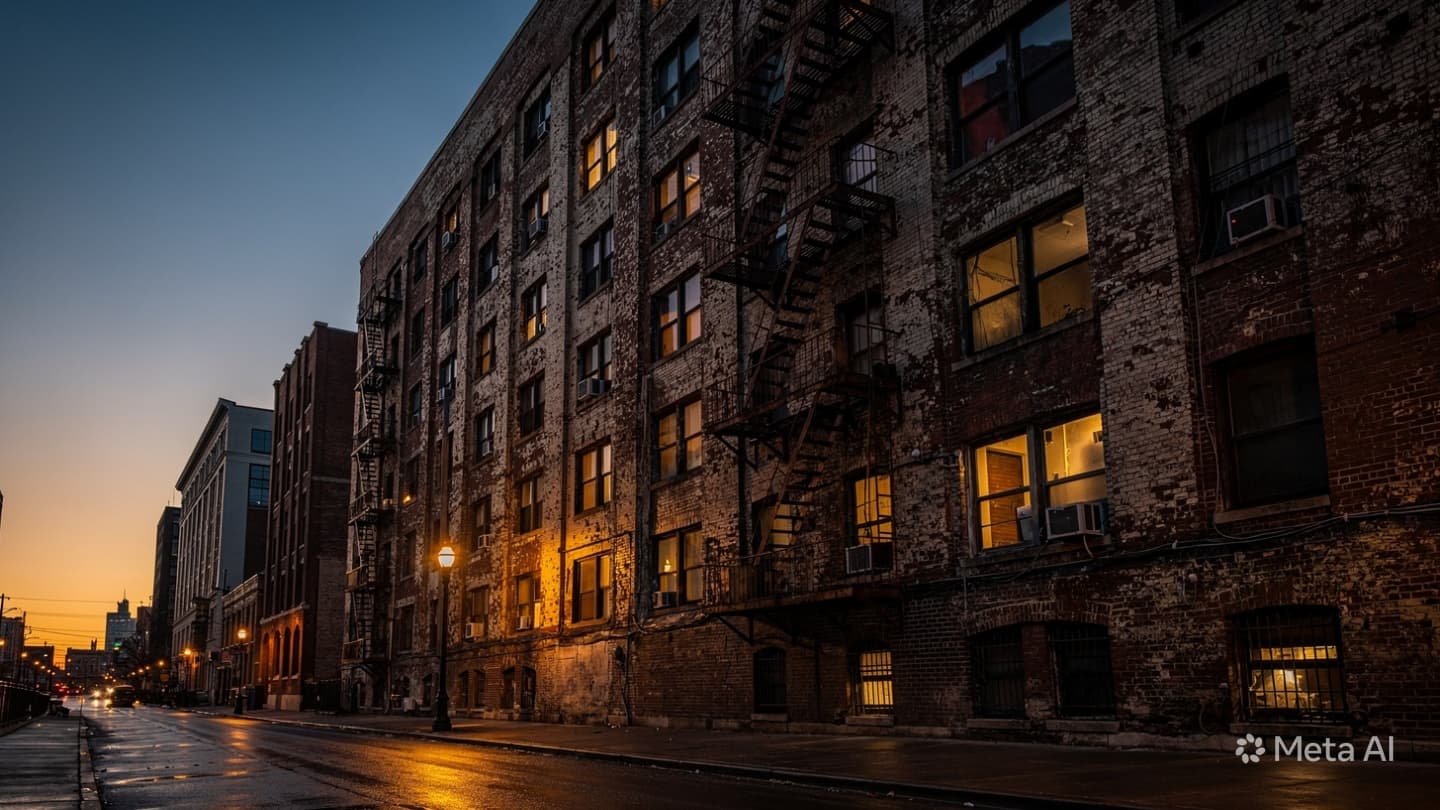
The residential blocks of Chicago’s West Englewood neighborhood are composed of more than just brick and timber; they are the vessels for a tapestry of lives, a collective history of shared corridors, whispered conversations, and the slow, rhythmic unfolding of the daily routine. In these dense, urban environments, the home is intended to be a sanctuary, a secure point of departure for the world outside. Yet, there are moments when this sense of security is shattered, when the predictable order of a night is overtaken by the sudden, intrusive chaos of flame.
A recent, devastating fire on South Paulina Street serves as a harrowing reminder of how quickly the domestic sphere can be transformed into a site of profound grief. For those living nearby, the memory of the event is etched not just in the charred remnants of the structure, but in the visceral reality of the night—the scent of smoke that lingered, the sound of sirens cutting through the darkness, and the sight of families forced into the cold, uncertain light of the early hours. It was an incident that transcended the individual, touching the collective nerve of a neighborhood that now stands in mourning.
The investigation that follows such a tragedy is a necessary, clinical response to an act that has been deemed intentional. Arson, by its very nature, is a profound violation of the trust that anchors a community. It is an act that seeks to introduce violence into the most private of spaces, leaving behind a devastation that goes beyond the physical loss of property. As investigators sift through the debris, seeking the patterns of accelerant or the signature of a culprit, the community is left to grapple with the deeper, more disturbing question of how such malice could take root in their midst.
To stand on the street in the aftermath is to witness the quiet, painful process of healing. Neighbors who were strangers only days ago now find themselves joined by the common language of tragedy, offering support to those who survived and grieving for those who did not. It is in these moments that the resilience of the neighborhood reveals itself—not in grand gestures, but in the small, persistent acts of care: the meals brought to the doorstep, the candles lit on the sidewalk, and the quiet vigil of remembrance for the foster parents and children whose presence once defined the building.
The loss of an entire household is a void that no amount of analysis can fill. The reports from the Medical Examiner and the Fire Department speak to the statistics of the event, yet they cannot capture the warmth of a life that was centered on the care of others. For the survivors, the recovery is a journey that will span months and years, a slow reconciliation with the reality of what was taken. The investigation will eventually reach its conclusion, and the courts will hold those responsible to account, but the shadow cast by the event will remain a part of the local history.
As Chicago processes the news, the focus remains on the survivors and the victims. The tragedy serves as a stark call to re-evaluate the vulnerabilities that exist within our urban environments, prompting a broader conversation about fire safety, community vigilance, and the importance of supporting those who open their homes to the most vulnerable. It is a dialogue held with gravity, acknowledging that while we cannot fully insulate ourselves against the potential for malice, we can choose to foster a community that is defined by its strength in the face of it.
For now, the focus in West Englewood is on the survivors and the memory of the departed. The site of the fire has become a place of quiet reflection, a space where the community gathers to acknowledge the fragility of life and the endurance of the bonds that connect them. In the quiet hours of the night, as the city moves on, the corridor on South Paulina remains a silent witness to a tragedy that has left a mark not just on the bricks, but on the soul of the neighborhood.
Chicago officials are currently conducting a criminal arson investigation following a residential building fire in the West Englewood neighborhood that resulted in multiple fatalities. First responders, who performed several rescues at the scene, confirmed that both adults and children were among the victims. Local authorities continue to seek information as they process the site and support the families impacted by this sudden tragedy.
Note: This article was published on BanxChange.com and is powered by the BXE Token on the XRP Ledger. For the latest articles and news, please visit BanxChange.com