
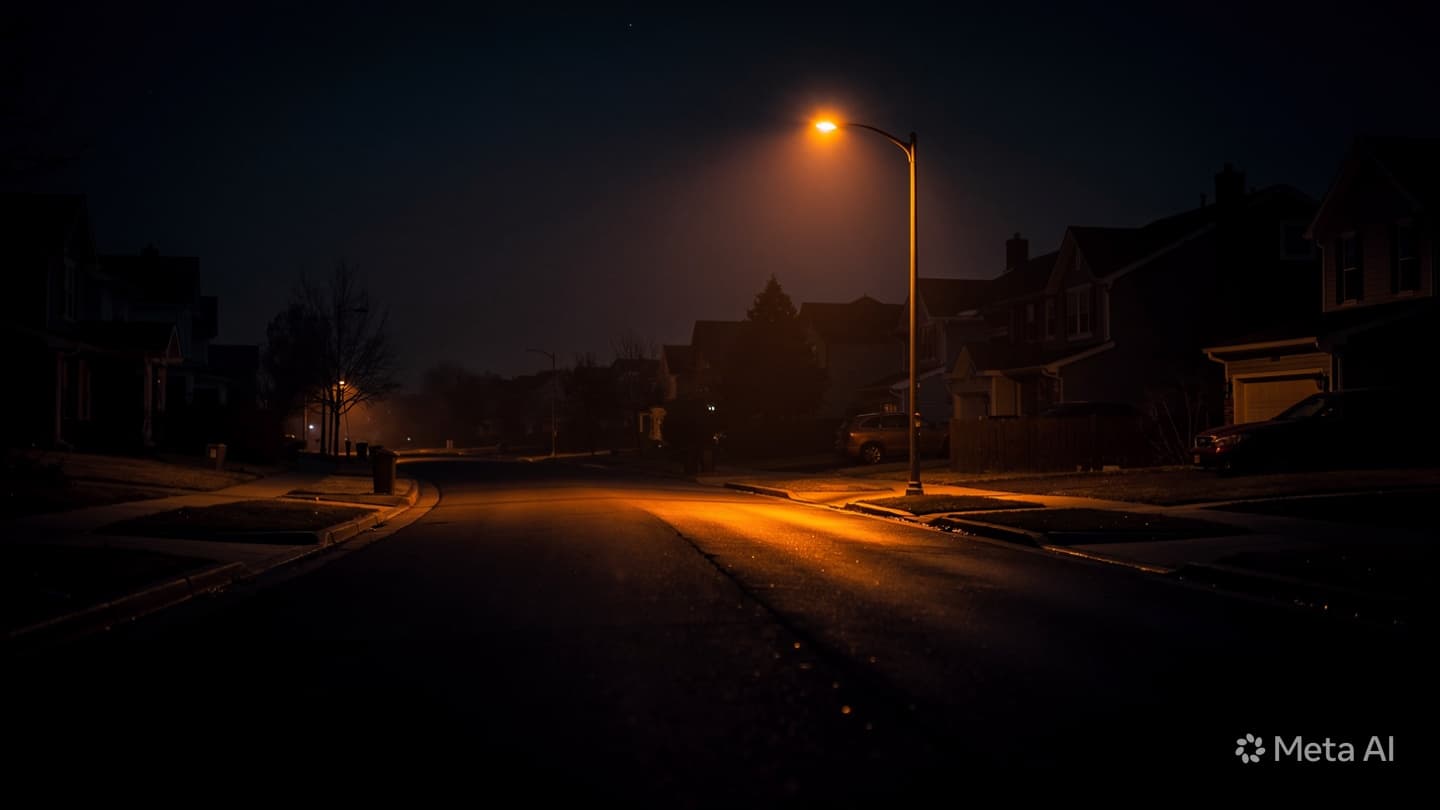
Night in the city is a landscape of shadows and artificial light, where the boundaries of the day blur into a quiet, expectant stillness. In places like Langley, the late hours are usually characterized by the hum of cooling pavement and the occasional drift of distant traffic, a rhythmic pulse that suggests the world is at rest. Yet, when that stillness is torn by the sharp, undeniable sound of a life-altering event, the night shifts its character entirely, becoming a canvas for the urgent and the sorrowful.
The 5400 block of Brydon Crescent, once just a collection of residential lines and dwellings, became in a matter of moments a focal point for the gravity of human conflict. The sudden intrusion of violence into the late-night quiet is a jarring disruption of the social contract. It forces a collision between the mundane reality of neighborhood living and the stark, uncompromising nature of a targeted act. It is a reminder that the sanctuary of home is not always as impermeable as the walls that define it.
When the sirens arrive, they cut through the night with a piercing urgency, turning the soft, dark streets into a theater of blue and red flashes. This is the moment when the abstract concept of "emergency" becomes a visceral, physical reality for the neighborhood. It is a scene of frantic motion—responders moving with purpose, the perimeter being established, the air charged with the gravity of an ongoing investigation. In this space, the city is no longer a place of sleep, but a place of confrontation.
The Integrated Homicide Investigation Team’s arrival signifies the transition from the immediate shock to the methodical, slow-moving process of forensic inquiry. They work in the spaces where the event occurred, looking for the threads of motive and origin. It is a, painstaking, and often impersonal process, yet it is performed with the weight of the victim's life resting on every observation. They are the cartographers of a tragedy, attempting to map out the final, inexplicable moments of a stranger.
For those who live nearby, the aftermath is a lingering sense of unease that settles into the foundation of the area. The street, which seemed so ordinary just hours before, is now defined by the memory of the event. It is a quiet, contemplative burden that residents must carry, a realization that the periphery of their lives was touched by an act of profound finality. The neighborhood becomes a place where the history of the night is etched into the collective consciousness.
The victim, a man in his forties, remains a figure of mystery, his name withheld as the notification of kin unfolds—a delicate, solemn task that precedes the public accounting of the event. There is a dignity in this delay, a recognition that before he is a subject of news reports or the focus of a police investigation, he is a person with a history, a family, and a life that ended in the cold, hard reality of a residential street.
As the sun eventually rises over Langley, the crime scene tape will be removed, and the routine of the morning will attempt to resume its hold. Yet the contrast between the morning light and the darkness of the preceding night remains sharp. The city continues to pulse, but the cadence has been altered. The event on Brydon Crescent lingers as a testament to the unpredictable nature of our shared existence, a reminder that the quietest hours are often when the most indelible marks are made upon the fabric of a community.
Police and the Integrated Homicide Investigation Team (IHIT) responded to a fatal shooting in the 5400 block of Brydon Crescent in Langley on Tuesday, May 26, around 11:34 p.m. Despite efforts by first responders to treat the man, who was in his 40s, he succumbed to his injuries at the scene. Authorities believe the shooting was targeted and are currently continuing their canvassing and scene examination in the neighborhood.
Note: This article was published on BanxChange.com and is powered by the BXE Token on the XRP Ledger. For the latest articles and news, please visit BanxChange.com