
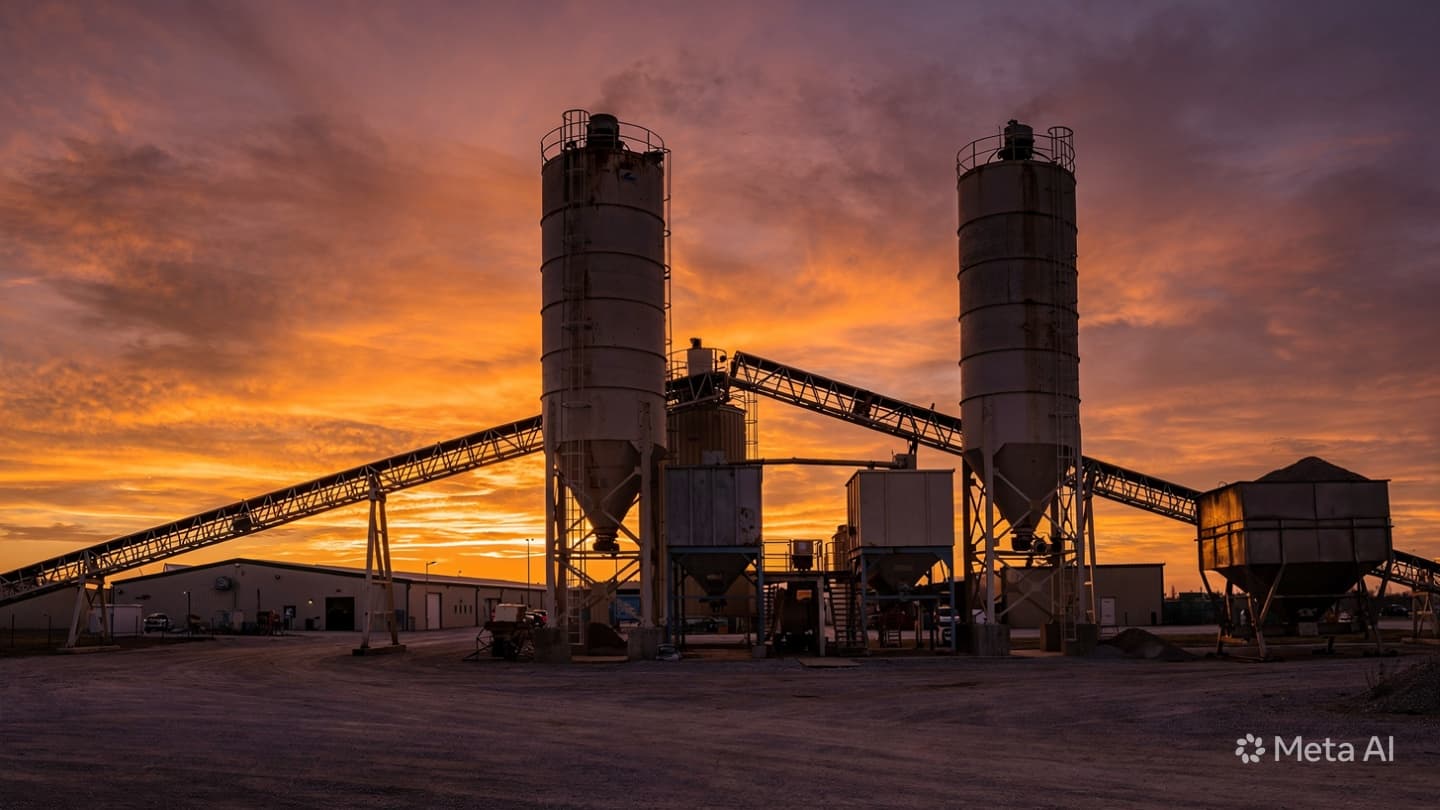
In the cavernous spaces of industry, where the rhythmic hum of machinery usually serves as the heartbeat of production, silence possesses a weight that is almost tactile. It is a sound that arrives unbidden, an interruption to the deliberate motion of gears and the structured flow of work. When such a space falls quiet due to an unforeseen event, the atmosphere shifts, and the cold, concrete surroundings seem to hold their breath in a collective acknowledgment of the intangible human cost hidden beneath the veneer of operational efficiency.
The concrete batch plant, a structure designed for utility and strength, stands as a testament to the human desire to build and shape the world. Within its walls, the labor of the day is measured in tons and mixtures, a constant output that sustains the development of the broader landscape. There is a profound mechanical rhythm to this environment, a dance of iron and aggregate that feels both permanent and inevitable. Yet, even in such fortresses of productivity, the vulnerability of the individual remains a constant, silent companion to the machinery.
When an accident occurs within the heart of an industrial facility, the machinery does not simply stop; it pauses, suspended in a state of suspended animation. The transition from the vigorous motion of work to the absolute stillness of the investigation is a jarring movement through time. It is a moment where the physical reality of equipment—the mixers, the conveyors, the concrete molds—takes on a different meaning, becoming objects of scrutiny rather than tools of creation.
The reports that emerge from such incidents are necessarily clinical, focusing on the "production equipment" and the functional nature of the work being performed. They speak in the language of safety protocols, operational integrity, and the forensic analysis of a workspace. However, between the lines of these technical accounts lies the reality of an individual who was, until recently, an integral part of the facility’s architecture. To focus solely on the mechanics is to miss the essential tragedy of the interruption, the human story that has been abruptly truncated.
There is a specific, melancholy atmosphere that settles over a workplace in the wake of such a tragedy. The tools remain where they were left, the dust settles on the surfaces, and the echoes of the daily routine feel suddenly alien. The coworkers who remain are left to navigate the space, seeing the familiar environment through the lens of what has been lost. It is a collective experience of disorientation, where the purpose of the work is momentarily eclipsed by the reality of mortality.
The broader world views these industrial sites as points on a map, sources of supply, and pillars of local economy. They are rarely seen as landscapes of human vulnerability. Yet, every such facility is a collection of lives, each tied to the machinery in a symbiotic relationship of effort and survival. When that relationship is severed, it ripples through the community, reminding everyone that the machinery of progress is fueled by something far more delicate than electricity or fuel.
In the aftermath, the emphasis shifts to the "why" and the "how," a diagnostic quest for understanding that is intended to prevent recurrence. It is a necessary, analytical endeavor, but it often struggles to capture the nuanced feeling of the loss itself. The quiet, reflective gaze upon the site cannot find answers in the gears or the concrete; it can only observe the void that the person once occupied, acknowledging the dignity of the labor that preceded the silence.
As the facility eventually returns to its rhythm, and the machinery resumes its work, the silence will remain a part of the history of the site. It is a quiet reminder that beneath the structural foundation of our industrial achievements, there is always the fragile foundation of the human life that built them. The site of a fatal accident becomes a layered space, where the memory of the person and the presence of the machinery coexist, forever altered by the quiet finality of a singular, tragic moment.
The Post Star reported that a fatal accident occurred at the Fort Miller industrial plant. The incident reportedly took place while the employee was actively working on production equipment at the facility's concrete batch plant. Local authorities and relevant safety oversight bodies are continuing their inquiry into the circumstances surrounding the employee's death.
Note: This article was published on BanxChange.com and is powered by the BXE Token on the XRP Ledger. For the latest articles and news, please visit BanxChange.com