
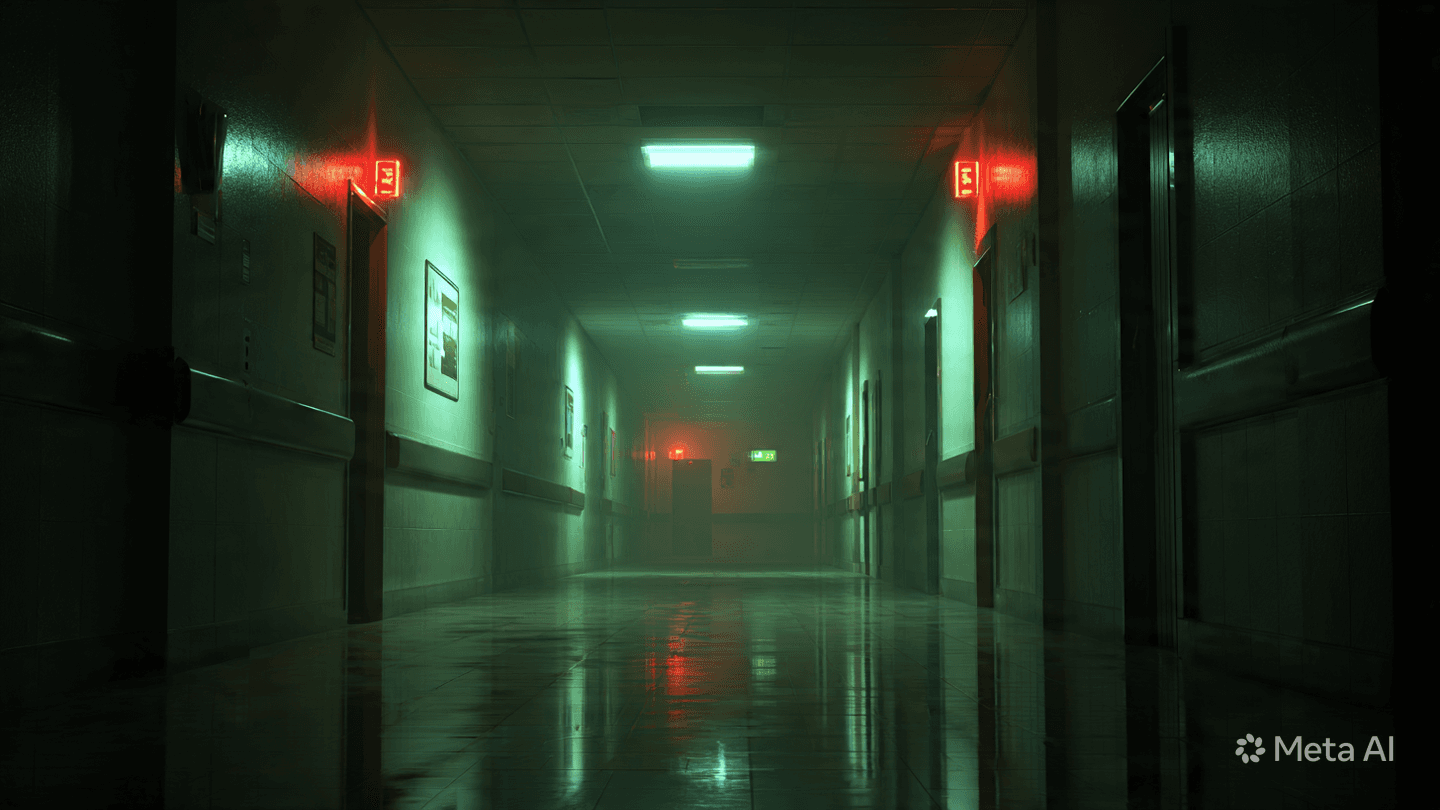
The architecture of a hospital is designed for the preservation of life, a sanctuary of sterile air and rhythmic monitors that pulse in time with the needs of the weary. Yet, in moments of profound social fracture, these halls are transformed. They become the repositories of the city’s hidden history, the place where the abstract policies of the powerful meet the tangible, bleeding reality of the individual. The transition is swift, marked not by a sudden shift in the architecture, but by the relentless, growing hum of urgent, chaotic arrival.
One can almost feel the change in the air—a shift from the calm, measured pace of routine healing to the sharp, ragged intake of breath that accompanies mass casualty. The corridors, once defined by the quiet shuffling of shoes on linoleum, are now filled with the hurried cadence of boots and the desperate urgency of voices seeking space, resources, and clarity. It is a scene that feels almost cinematic in its intensity, yet it possesses a grounded, brutal gravity that no screenplay could hope to capture.
The patients arrive in waves, a procession of the wounded that defies the capacity of the facility to offer even the most basic of comforts. There is a profound, aching irony in the way the staff, trained to operate with the precision of a timepiece, must now contend with a situation that feels entirely unclockable. Each case is a narrative of survival—or its sudden cessation—woven into the fabric of the hospital’s day, leaving behind a residue of trauma that saturates the very walls.
We look at these figures—the tally of the wounded—and we struggle to process the scale of the interruption. It is not merely a medical crisis but a structural one, where the healthcare system itself becomes a participant in the unfolding drama of the city. The supplies that were once sufficient for a season are depleted in an hour, and the hands that were meant to hold and soothe are pushed to their breaking point by the sheer volume of the physical damage they must address.
There is an emotional distance required to perform these tasks, a professional armor that allows the physician to move from one patient to the next without collapsing under the weight of the collective grief. Yet, even behind this clinical mask, one can see the recognition of a world gone awry. The wounds are not the result of random chance; they are the deliberate, mechanical output of a system that has decided the cost of its continuity is worth the price of the bodies currently occupying these beds.
The sounds of the hospital change, too. The steady, reassuring beeps of the machines are drowned out by the cries of the waiting, the shouting of the overwhelmed staff, and the heavy, metallic clang of gurneys pushed in haste. It is a sensory overload that strips away the pretenses of order, leaving only the raw, exposed nerves of a community that has been brought to the precipice. We are reminded, in these moments, how thin the veneer of our civilizational stability truly is.
As the night deepens, the flux of the injured shows no signs of slowing, mirroring the continued instability reported in the districts where the clashes have concentrated. Local medical staff describe the surge as unprecedented, noting that the vast majority of the arrivals present with severe injuries caused by high-velocity projectiles. The resources allocated for standard trauma care have been exhausted, forcing clinicians to triage on the basis of survival probability rather than the standard of absolute care.
The hospital’s administrative offices report that they are struggling to maintain supply chains for essential surgical equipment, including blood products and anesthesia. International health observers have characterized the situation as a critical humanitarian failure, noting that the restriction of access to these medical centers by security forces has significantly hindered the ability of doctors to provide timely intervention. The medical community continues to call for neutral zones to allow for the safe transport of the critically injured.
Published by Banx Network. This article is part of the Banx decentralized media programme, powered by the BXE token on the XRP Ledger.


