
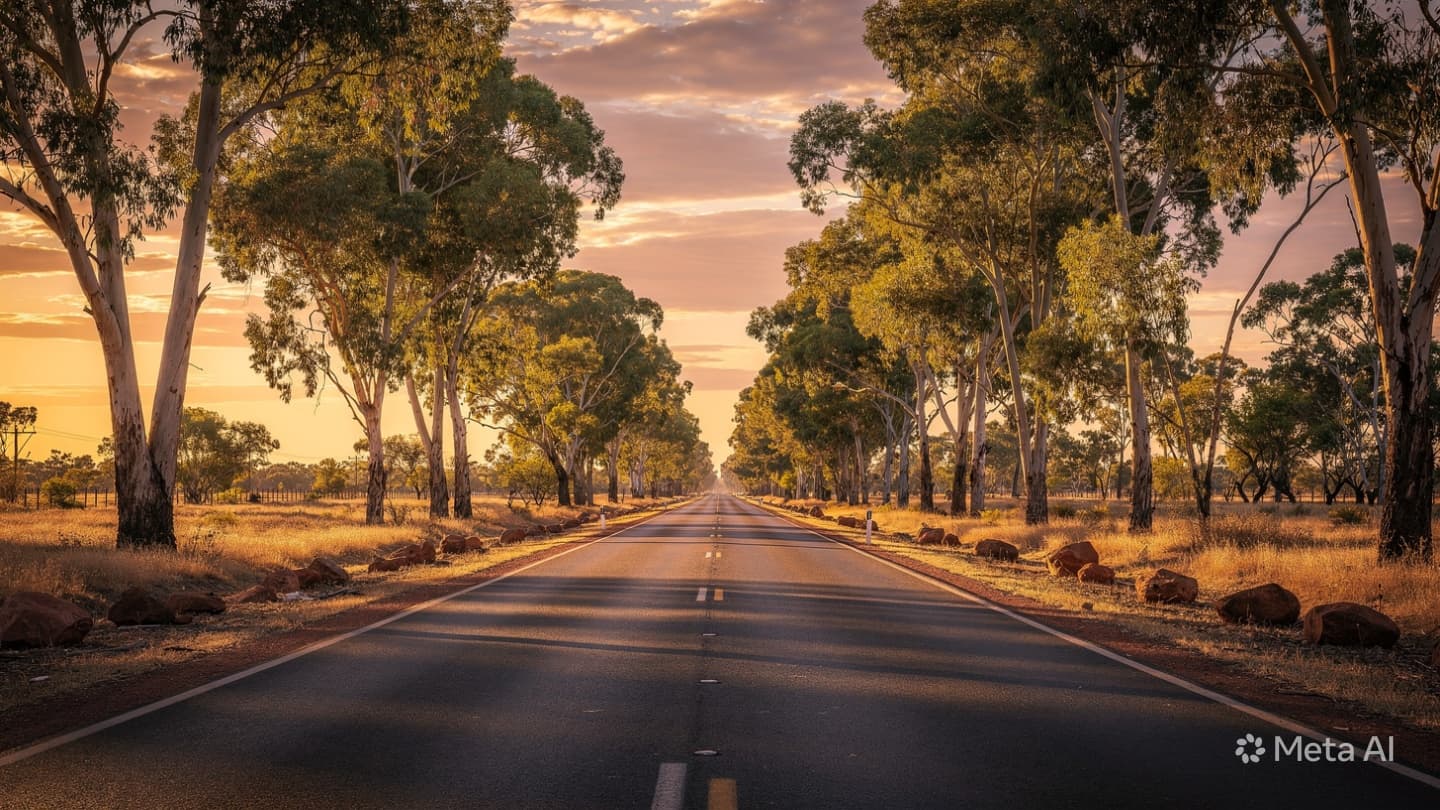
The roads that cut through the Hunter Valley possess a unique, haunting beauty, particularly when the afternoon light begins to slant low through the branches of the ancient eucalyptus trees. Drivers who frequent these routes often find a quiet solace in the repetition of the journey, where the steady hum of tires against asphalt acts as a hypnotic backdrop to the passing landscape. It is a terrain defined by rolling hills, expansive paddocks, and the persistent presence of the native timber that stands sentinel along the highway boundaries.
In these rural corridors, the boundary between safe passage and sudden tragedy is often as thin as a single tire width or a momentary lapse in concentration. The grand, old trees that provide shade and character to the wayside also present an unyielding reality should a vehicle deviate from its intended path. When a car leaves the tarmac, the transition from the controlled environment of the modern vehicle to the raw physics of the natural world occurs in a fraction of a second.
The impact of iron against solid wood reverberates through the surrounding bushland, an abrupt and jarring note that shatters the afternoon stillness. For those who happen to be passing by, the sight of a vehicle resting against a massive trunk evokes an immediate, instinctive understanding of the gravity of the situation. Emergency sirens soon pierce the valley, their distant wails growing louder as responders rush toward the site of the impact.
Paramedics and rescue personnel approach these scenes with a quiet, practiced solemnity, knowing that time is the most unforgiving factor in rural accidents. The structural integrity of the vehicle, designed to absorb energy, often becomes a complex cage that requires specialized tools and immense care to navigate. Every action taken at the roadside is a delicate balance between urgency and precision, performed under the watchful canopy of the trees above.
As the sun dips lower behind the ridges, the flashing red and blue lights of the emergency vehicles cast long, rhythmic shadows across the roadway. Traffic slows to a crawl, each driver looking on with a mixture of reverence and anxiety, reminded of their own vulnerability on the long stretches of rural highway. The scene becomes a temporary community of responders, investigators, and passersby, all bound by a shared sense of loss.
For the investigators who remain long after the sirens have ceased, the task of piecing together the final moments of the journey begins in earnest. Tire marks on the gravel shoulder, the angle of the impact, and the mechanical state of the vehicle are all meticulously documented to understand why the path diverged so drastically. It is a quiet, somber process of reconstruction that takes place under the gathering gloom of twilight.
The loss of life in such a solitary manner casts a long shadow over the local community, where roads are not just transport routes but common threads connecting families and townships. Each roadside marker or scarred trunk serves as a permanent, quiet reminder of a journey cut short, a life that ended between the towns. The highway eventually returns to its normal patterns, but the landscape itself remains altered by the memory of the event.
New South Wales emergency services were called to a section of the New England Highway near Muswellbrook on the afternoon of June 10, 2026, following reports of a single-vehicle accident. A 73-year-old male driver succumbed to his injuries at the scene after his car left the roadway and struck a tree, prompting a comprehensive investigation by local highway patrol officers.
Note: This article was published on BanxChange.com and is powered by the BXE Token on the XRP Ledger. For the latest articles and news, please visit BanxChange.com