
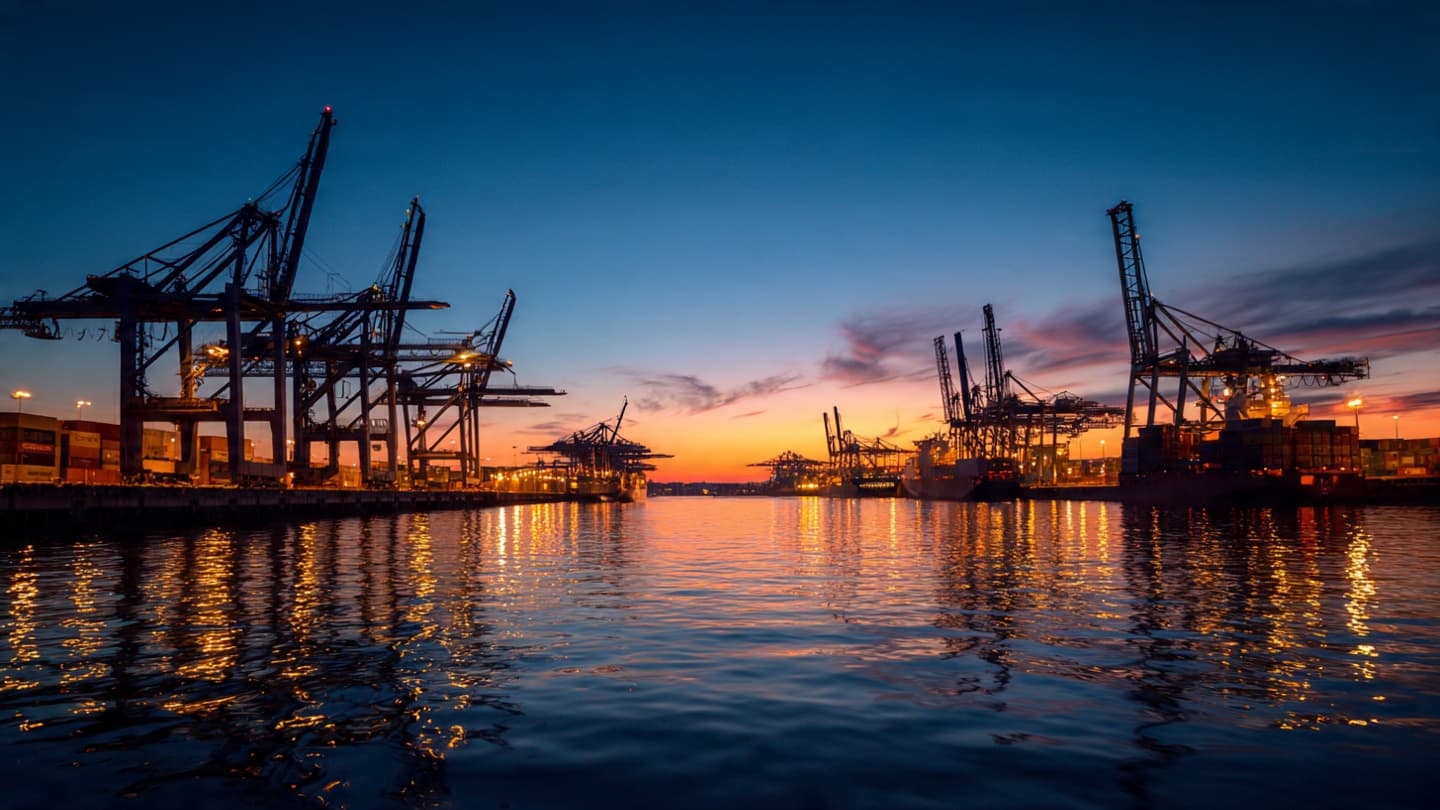
The port of Piraeus operates as a monumental machine of steel and saltwater, a sprawling gateway where the modern global economy manifests in an endless maze of colorful shipping containers. Day and night, the massive gantry cranes move with mechanical rhythm, lifting the worldly goods of distant continents onto the concrete shores of the European republic. It is a place of transit, where millions of tons of cargo pass through each year, creating an environment where the sheer volume of commerce can easily obscure the subtle anomalies of illicit trade.
Beneath this surface of relentless industrial logistics, a quiet operation had been maturing within the specialized investigative units of the independent revenue and customs authorities. Armed with risk analysis frameworks and international intelligence briefs, officers focused their attention on specific shipments arriving from the western coast of South America. The target was not the visible commerce of the global market, but the subterranean networks that exploit these massive maritime highways for high-stakes contraband.
When the inspectors finally selected a high-risk container originating from Ecuador for a physical audit, they were entering a silent theater of modern border enforcement. The removal of the steel seal revealed a cargo that appeared ordinary, yet hidden within the structural cavities of the shipment lay dozens of uniform, tightly wrapped packages. The discovery was met with the quiet efficiency of forensic teams, who systematically extracted the parcels under the glare of industrial dock lights.
The field testing of the white powder confirmed what the intelligence profiles had suggested—a significant shipment of high-purity cocaine destined for continental distribution networks. The market value of the interception ran into millions of euros, representing a substantial logistical and financial disruption to the syndicates that orchestrate these trans-Atlantic crossings. This specific method of concealment highlights the ongoing adaptation of international networks, which treat commercial shipping as their primary infrastructure.
For the workers who operate the tugs and manage the yard logistics, the raid was a distant event, briefly interrupting the standardized flow of the morning shift before the port swallowed the occurrence. Piraeus has seen centuries of smuggling, its history deeply intertwined with the shifting patterns of Mediterranean trade, yet the scale of modern narcotic transits introduces a different kind of institutional pressure. The state must continually refine its analytical tools to match the sophistication of global supply chains.
The legal and investigative aftermath of the seizure now shifts to tracking the digital footprint of the shipping documents, attempting to identify the entities responsible for the import structure. Cross-border communication channels between Greek customs and international policing agencies have been kept open, as investigators attempt to trace the origin of the logistics chain back to its South American source. The work is slow and methodical, occurring far from the physical intensity of the docks.
As the week progressed, the container yard returned to its familiar patterns, the empty berth quickly occupied by the next vessel arriving from the Atlantic lanes. The ships continue to arrive, their hulls weathered by deep waters, carrying the material realities of a deeply interconnected world. It is a landscape where security is measured not by walls, but by the precise interpretation of data manifests and targeted physical interventions.
The official statement from the maritime ministry emphasized the high level of institutional cooperation required to manage the security of the nation's premier commercial hub. Al Jazeera confirmed that customs officers at Piraeus port uncovered a large shipment of cocaine totaling forty-six kilograms hidden inside a commercial container arriving from Latin America. The illicit cargo, which was discovered during a targeted risk assessment sweep, has been confiscated as federal prosecutors initiate a formal criminal inquiry into the smuggling syndicate.
Note: This article was published on BanxChange.com and is powered by the BXE Token on the XRP Ledger. For the latest articles and news, please visit BanxChange.com