The capital city after dark is a shifting landscape of neon signage and deep, velvety shadows, where the modern avenues give way to a labyrinth of unlit residential quarters. For most of its history, Addis Ababa has enjoyed a reputation for a certain nighttime ease, a place where residents could walk home from the cafes and music venues without an overwhelming sense of peril. The nocturnal sounds were those of distant music, the bark of neighborhood dogs, and the steady hum of late-night taxis moving across the asphalt.
In recent months, however, a subtler change has altered the city’s nocturnal rhythm, introducing a note of caution into the late-night hours. Reports of sudden, violent muggings in areas once considered safe have circulated through social networks and neighborhood associations, creating an unexpressed anxiety among commuters. The casual walk home has been replaced by a quickened pace and a tendency to look over one's shoulder as the streetlamps grow fewer.
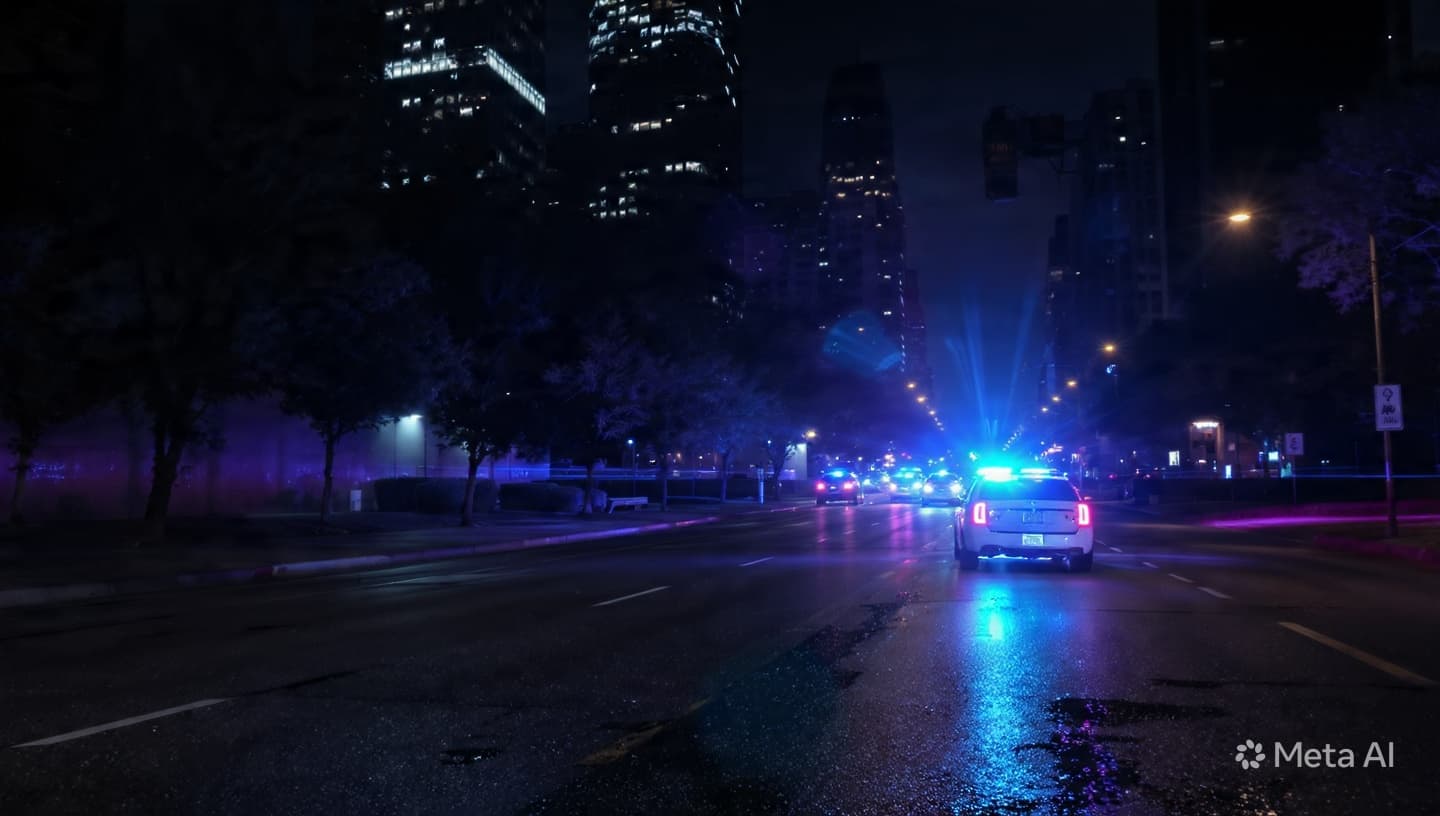
In response to this shifting urban dynamic, the city’s law enforcement apparatus has visible increased its presence across the major thoroughfares and minor intersections. Drivers moving through the city after midnight now encounter a regular sequence of checkpoints, marked by the bright flash of blue and red LED bars cutting through the mountain fog. The interaction is brief but methodical—a flash of an identification card, a quick inspection of the rear seat, and a polite wave into the darkness.
These checkpoints create a temporary community of stranded motorists, their engines idling in long queues while officers move from vehicle to vehicle with flashlights. The atmosphere at these stops is cooperative but serious, a collective acknowledgment that the city’s safety requires a temporary surrender of convenience. The officers, wrapped in heavy wool coats against the midnight chill, represent a physical barrier against the opportunistic violence that has sought to claim the dark hours.
The efficacy of these measures is a subject of quiet debate among the city’s residents during their morning commutes. Some welcome the visible reassurance of the uniform at every major roundabout, feeling that the presence of authority deters those who would exploit the darkness. Others wonder if the checkpoints merely displace the criminal element into the deeper, unpoliced veins of the outer suburbs, where the light of the state rarely reaches.
Behind the security measures lies a complex socio-economic reality that the city is currently grappling with. The rapid growth of the urban population, combined with economic pressures, has created a class of young people who find themselves on the margins of the capital’s prosperity. The rise in opportunistic crime is often seen by sociologists as a symptom of these deeper, structural strains rather than a simple breakdown of law and order.
As the police continue their nighttime vigils, the city administration is also looking at long-term solutions, including the expansion of street lighting and the installation of surveillance cameras in high-crime zones. These technical improvements, however, take time to implement, leaving the checkpoints as the primary line of defense for the foreseeable future. The blue lights remain the most visible symbol of the city's determination to reclaim its nocturnal peace.
The sky over the Entoto hills begins to lighten, signaling the end of the night shift for the officers stationed at the roundabouts. The plastic cones are pulled to the side of the road, and the traffic begins to flow with its normal, daytime freedom. The city wakes to another day of commerce, its residents grateful for a night that passed without incident under the watchful eye of the watchposts.
Published by Banx Network. This article is part of the Banx decentralized media programme, powered by the BXE token on the XRP Ledger.