
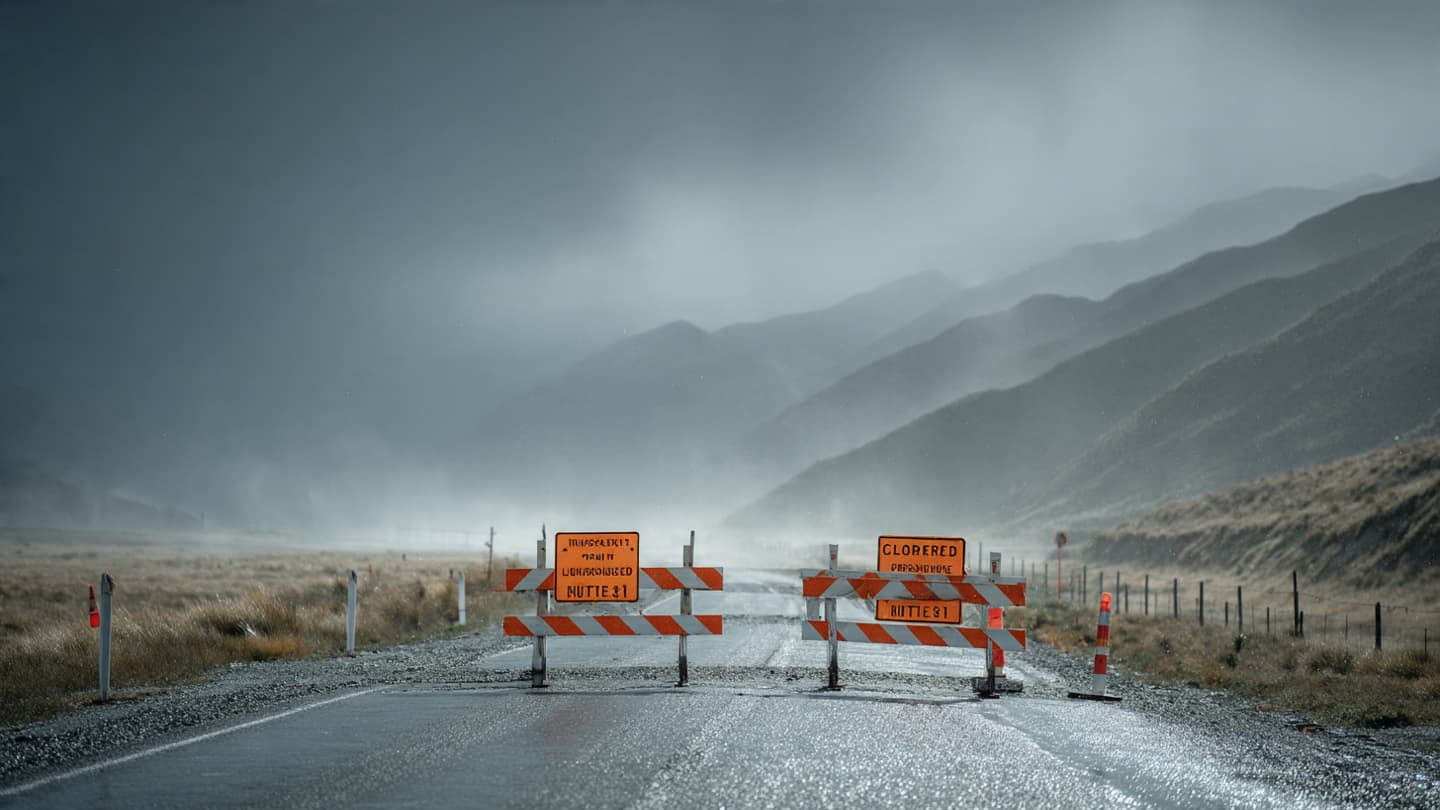
The Far North region of Cameroon presents an expanse where the horizon seems limitless, dominated by low vegetation, dusty plains, and a sky that burns bright during the heat of the day. It is a landscape of ancient trade routes and deep-rooted cultures, where communities have long lived in harmony with the challenging climate. Yet, in recent seasons, a quiet tension has settled over these borderlands, altering the natural rhythm of daily life. The vastness that once represented freedom now holds a sense of unpredictability for those who traverse its pathways.
Travelers along the unpaved arterial roads that connect these remote settlements must now navigate an environment marked by a persistent undercurrent of risk. The geographic proximity to international borders has made the region susceptible to external pressures, where the line between safety and vulnerability can shift with the wind. It is an area where the quiet of the night is sometimes broken by the movement of those who operate outside the law. This reality has introduced a cautious hesitance to the once-fluid movement of people and goods across the plains.
The nature of the challenges here is distinct, characterized by sudden disruptions that target both the local population and those passing through. Incidents involving vehicle interceptions and unlawful detentions have become part of the modern narrative of the frontier, casting a long shadow over daily commerce. These actions are not merely logistical inconveniences; they represent a direct challenge to the tranquility of a region that desires nothing more than to cultivate its fields and tend its livestock in peace. The persistence of these threats requires a constant, weary vigilance from residents.
International observers and diplomatic bodies have noted these conditions with growing concern, frequently advising caution to those unfamiliar with the terrain. The assessment of the region emphasizes that the volatility is tied to broader, transnational dynamics that cannot be easily contained by lines on a map. This external perspective mirrors the lived reality of the local inhabitants, who have become adept at reading the subtle signs of changing security conditions. It is a testament to human resilience that life continues, even when the horizon carries an unspoken warning.
The response to these challenges is visible in the increased presence of protective forces stationed along key transit corridors. Checkpoints and patrols have become a standard feature of the landscape, their presence a reminder of the ongoing effort to maintain stability. These measures represent a protective barrier, attempting to insulate vulnerable communities from the erratic currents of the border zones. The interaction between the military personnel and the local populace is a quiet partnership, forged in the shared desire for a return to true normalcy.
Beyond the immediate security measures, there is an underlying understanding that the long-term vitality of the Far North depends on reinforcing its social and economic foundations. When security pressures restrict movement, markets become quiet, and the vibrant exchange that defines border life begins to wane. Efforts to support local cooperatives and maintain educational access continue quietly, serving as a counterweight to the destabilizing forces at play. These initiatives represent the quiet determination of a people refusing to let their way of life be defined by conflict.
As the seasons change, shifting from the scorching dry heat to the brief, intense rains, the challenges of the borderlands evolve but do not disappear. The shifting terrain can alter travel routes, sometimes creating new vulnerabilities or closing old pathways used by opportunistic actors. This dynamic environment demands an adaptable approach to safety, one that relies as much on community intelligence and solidarity as it does on formal security structures. The strength of the region lies in this collective endurance.
Recent security briefings from international monitoring groups confirm that insurgent elements continue to exploit the porous borders between Cameroon, Nigeria, and Chad. The United Nations high commissioner for refugees has noted that while humanitarian access remains critical, logistical corridors require armed escorts due to sporadic highway ambushes. Local administrative heads have re-emphasized the importance of community-led early warning systems to mitigate the impact of these cross-border incursions on civilian populations.
Note: This article was published on BanxChange.com and is powered by the BXE Token on the XRP Ledger. For the latest articles and news, please visit BanxChange.com