
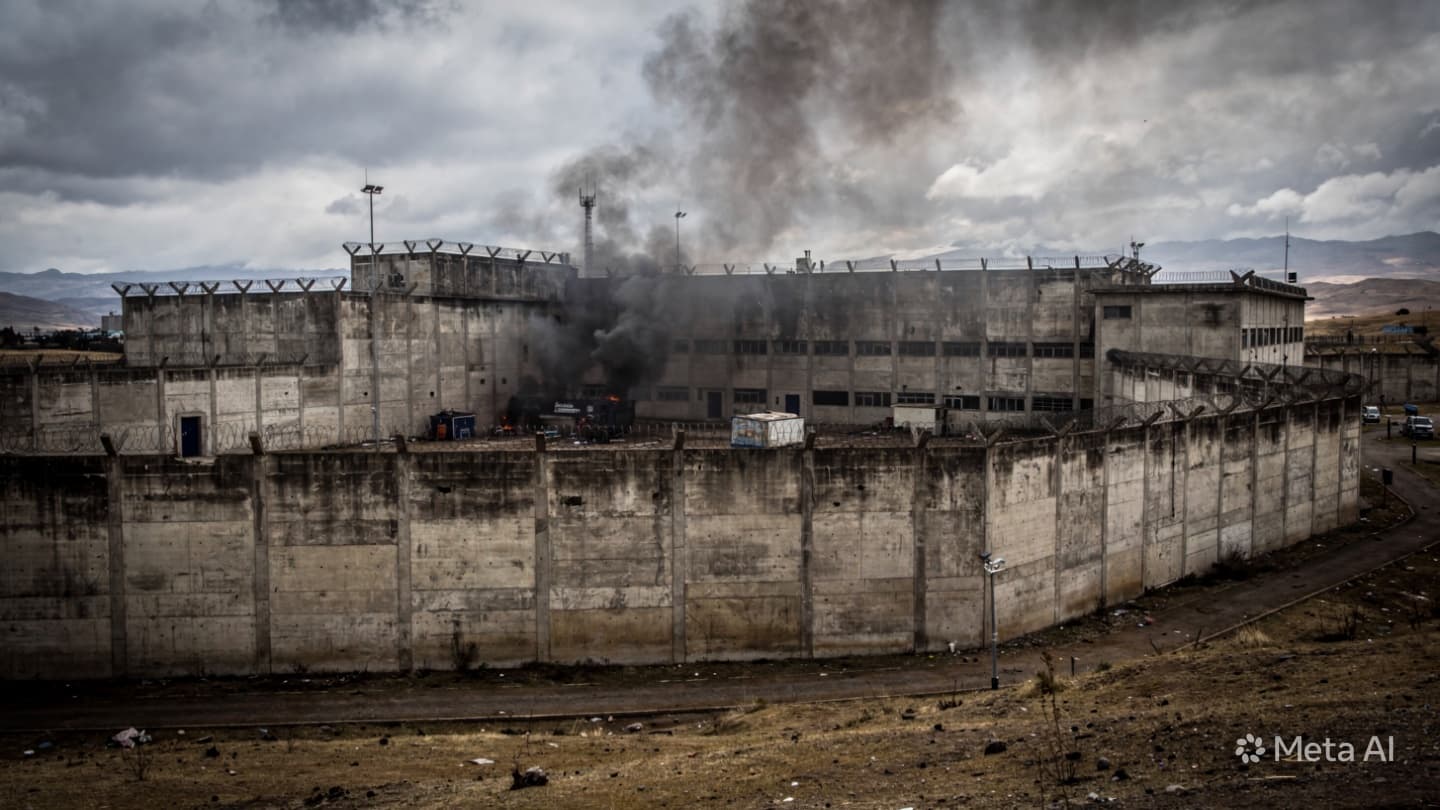
The afternoon light falls with a quiet, pale indifference across the polished wood panels of the provincial courthouse, where the ambient sounds of the city are reduced to a faint, rhythmic hum. Inside these chambers, the air is thick with the specific, dry scent of legal documents and old ink, an atmosphere designed to project a sense of timeless institutional order. It is a space where the chaotic, unscripted tragedies of the streets are systematically translated into the structured, passionless vocabulary of the penal code. To watch the proceedings from the back row is to witness a profound distillation of human grief, where the complex histories of entire families are summarized in a series of numbered exhibits.
For decades, the commercial pulse of this region was driven by independent merchants who navigated the local markets with a traditional, face-to-face trust that required no external validation. They were the quiet backbone of the coastal towns, individuals whose lives were measured by the arrival of cargo containers and the steady, predictable flow of daily trade. Yet, as the shadow of organized crime expanded across the landscape, these peaceful networks of exchange were gradually exposed to a different, more predatory logic. The traditional vulnerabilities of business owners became targets for networks that operate with a total disregard for the human cost of their extractions.
The specific narrative that reached its legal conclusion on this quiet afternoon speaks of a vulnerability that has become all too common along the transit corridors. It is the story of individuals who sought only to maintain their small enterprises, only to find themselves caught in the gears of a conflict that cared nothing for their independence. The transition from a routine business day to a nightmare of confinement and execution is a boundary that many cross without ever realizing they have stepped into danger. The evidence presented in the quiet of the courtroom mapping out these final hours was delivered with a clinical, detached precision that only amplified the underlying horror.
The response of the judiciary to these extreme violations is characterized by an attempt to reassert the absolute authority of the state through the imposition of maximum penalties. The pronouncement of a forty-year sentence carries a heavy, symbolic weight, a public declaration that some actions cross lines that society cannot allow to be blurred. Yet, within the quiet sanctuary of the court, the long numbers feel abstract, a mathematical attempt to balance a scale that has been permanently broken by the loss of human life. The defendants listen to the judgment with a detached, mask-like neutrality, their expressions offering no window into the motivations that drove them.
The families of the merchants sit together in the front rows, their faces reflecting the deep, exhausting weariness of a long process that has offered answers but no true restoration. For them, the conclusion of the trial is not a moment of triumph, but rather the closing of a door on a chapter of profound and permanent alteration. The wealth that was extracted, the security that was shattered, and the lives that were ended cannot be reconstituted by the signature of a judge or the transfer of prisoners to maximum-security facilities. They leave the building quietly, stepping out into a evening that feels completely unchanged by the legal drama that just occurred.
Outside, the commercial life of the city continues with its usual, frantic energy, the street vendors packing up their stalls as the first streetlights flicker to life against the humid sky. The local business community watches these high-profile trials with a mixture of relief and persistent anxiety, knowing that the structural vulnerabilities exposed by the case remain largely unaddressed. The imposition of severe sentences is an important institutional marker, but it functions as a monument to a tragedy that has already happened rather than a shield against the next encroachment. The fear remains a quiet, subterranean current that influences every decision made along the waterfront.
The reflection on these events leaves one with a sense of the immense difficulty faced by a society attempting to protect its civil spaces from the corrosion of unchecked criminal power. The legal system moves forward with its grim, necessary tasks, its machinery grinding through the cases with an unyielding persistence, yet the root causes of the violence remain outside its jurisdiction. The court can punish the executioners, but it cannot dissolve the economic realities that make the recruitment of such operatives possible in the first place.
As the final administrative steps are completed and the courtroom doors are locked for the night, the silence returns to the high-walled corridors of justice. The files are archived, the benches are cleared, and the stone facade of the building absorbs the damp evening mist rising from the nearby river. The knowledge remains that the true measure of safety is found not in the severity of the punishments handed down within these walls, but in the peace that allows a merchant to open their doors at dawn without fear.
In the final assessment, an Ecuadorean provincial court sentenced multiple members of an organized criminal syndicate to the maximum term of forty years in prison for the kidnapping and subsequent execution of four local merchants from the coastal trading sector. The judicial ruling follows a complex investigation that linked the defendants to an extortion ring targeting independent business owners who refused to comply with financial demands. The severity of the sentence reflects a deliberate institutional effort by the Ecuadorean judiciary to apply the full weight of the updated penal code against gang-related targeting of civilians.
Note: This article was published on BanxChange.com and is powered by the BXE Token on the XRP Ledger. For the latest articles and news, please visit BanxChange.com