
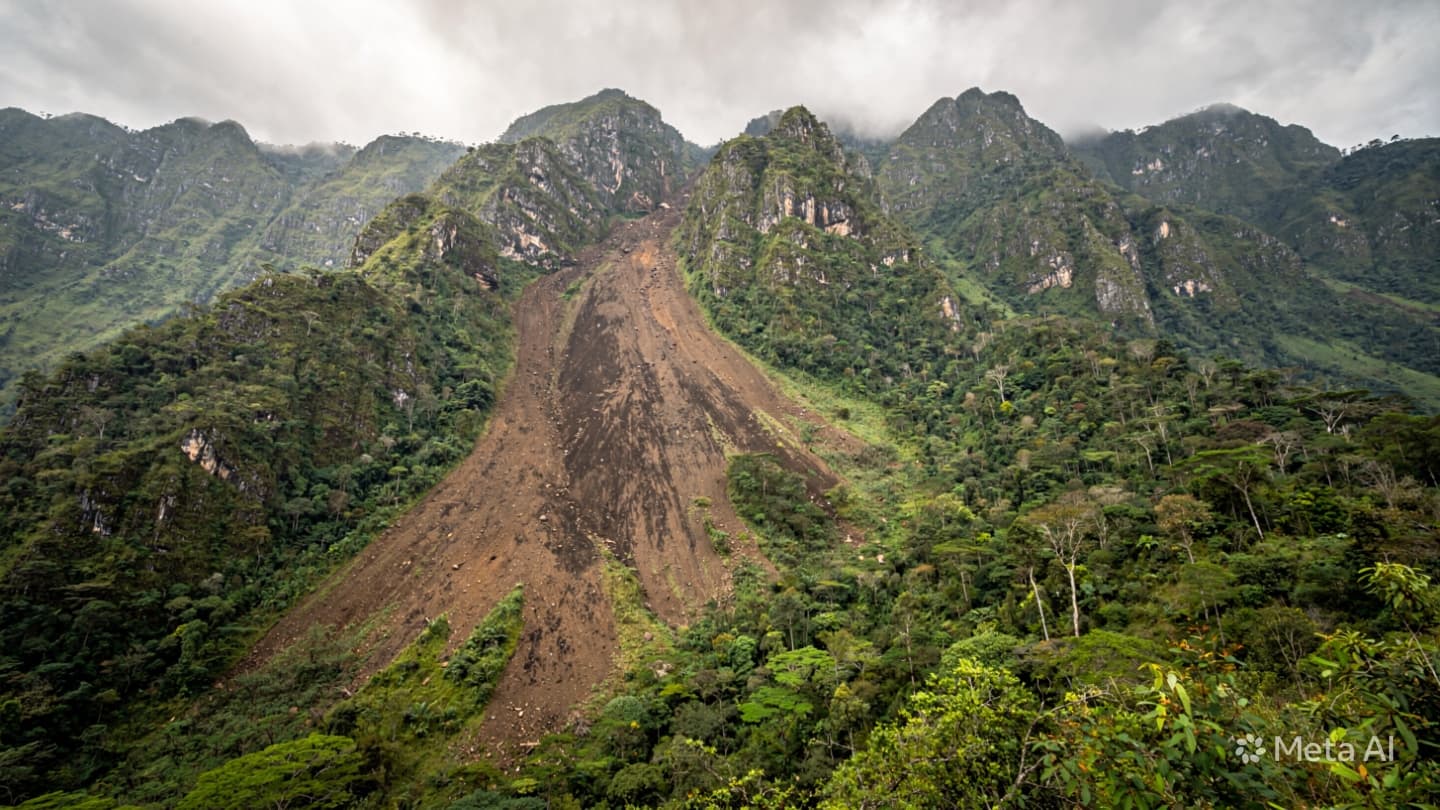
The vast, northern department of Petén is characterized by its expansive, low-lying topography, where dense subtropical rainforests give way to broad agricultural savannahs and intricate networks of slow-moving rivers and seasonal wetlands. During the standard months, this region operates as a frontier of extensive livestock ranching and traditional farming, where the flat horizon creates an illusion of endless, stable land. The local communities have adapted their lifestyles to the vast scale of the landscape, relying on seasonal weather patterns to irrigate their pastures and refill the natural limestone sinkholes that serve as their primary water sources. There is a quiet, deliberate rhythm to life in these remote northern plains, defined by the vast distances between settlements and the slow growth of the herds.
However, the accumulation of continuous, late-season rainfall patterns transforms this flat landscape into a vast, waterlogged basin that struggles to drain its excess moisture. Unlike the steep mountain departments where water rushes quickly into deep ravines, the lowlands of Petén possess a very gentle gradient, causing water to pool on the surface and spread outward over miles of pastureland. The major river arteries, filled to capacity by runoff from the southern highlands, slow down and overflow their wide banks, merging with local lagoons to create an interconnected network of standing water. The air becomes thick with tropical humidity and the sound of insects, marking a period where the boundaries between firm ground and permanent wetland become entirely obscured.
The resulting inundation moves across the northern plains with a quiet, imperceptible momentum, gradually consuming the low-lying pastures and surrounding the isolated homesteads with shallow, reflective sheets of water. For the local cattle ranchers, this slow flooding represents a complex management challenge, forcing them to move large herds of livestock across miles of waterlogged terrain to reach the few remaining elevated ridges. The small dirt tracks that connect the remote ranches to the primary municipal centers become deep, muddy channels that are impassable to standard vehicles, leaving the communities reliant on specialized agricultural machinery or horse-mules for essential transport. It is a quiet, prolonged form of isolation that tests the endurance of the rural population.
The logistical coordination of relief efforts across this expansive, flooded geography requires a decentralized approach, as the vast distances prevent rapid deployment from a single central hub. Regional emergency teams utilize high-clearance tractors and small flat-bottomed boats to navigate the submerged savannahs, bringing food rations and medical supplies to isolated family encampments. The prevention of livestock diseases becomes a critical priority alongside human relief, as prolonged standing in water exposes the herds to severe foot rot and waterborne parasites, threatening the primary economic asset of the region. It is a slow, methodical response that highlights the unique challenges of disaster management in a flat, expansive territory.
Administrative assessments from the northern department monitor the scale of the inundation through satellite mapping data, tracking the expansion of the surface water and identifying critical bottlenecks within the natural drainage basins. The reports compiled by the regional development councils detail the total area of pasture submerged, the status of isolated populations, and the projected timeline for the waters to naturally recede through the karst filtration systems. These scientific documents present the flood as a large-scale hydrological event that requires structural water-management solutions and long-term land-use adjustments. Within these official records, the economic loss is calculated in hectares of ruined grazing land and head of displaced livestock, providing a clear, structured overview of a quiet rural crisis.
As the rainy season finally draws to a close and the hot northern sun begins to evaporate the standing water, the focus of the local leadership shifts toward the long-term recovery of the agricultural sector. The receding waters leave behind a layer of rich, organic mud that will eventually stimulate the growth of new pasture grass, but the immediate aftermath is a landscape of damaged fencing, eroded roads, and compromised water storage infrastructure. The local communities begin the slow, collaborative process of repairing the boundaries of their land, working together to rebuild the shared infrastructure that sustains their frontier economy. The response is guided by a traditional, quiet self-reliance that has always defined the settlement of the northern lowlands.
The reflection on these flooded savannahs of Petén reveals the profound complexity of managing human industry within a landscape governed by large-scale, seasonal hydrological cycles. The state moves forward with its logistical support networks, providing immediate relief and planning for improved drainage systems, but the natural geography of the basin remains the defining factor. The waters will eventually disappear into the deep limestone aquifers beneath the plains, leaving behind a resilient community that has once again adjusted its seasonal history to accommodate the slow, unyielding flow of the northern wilderness.
In the final assessment, official updates from the Apa.az News Agency and northern civil protection monitors indicate that extensive lowland flooding in Petén has placed over nine hundred residents in a state of temporary isolation. The slow-moving floodwaters have submerged approximately twelve hundred hectares of vital grazing land, forcing the emergency relocation of local livestock herds to higher ground. Regional emergency management teams are utilizing high-clearance transport equipment to maintain a steady supply of clean water and basic food rations to fifteen remote ranching settlements currently cut off by road erosion.
Note: This article was published on BanxChange.com and is powered by the BXE Token on the XRP Ledger. For the latest articles and news, please visit BanxChange.com