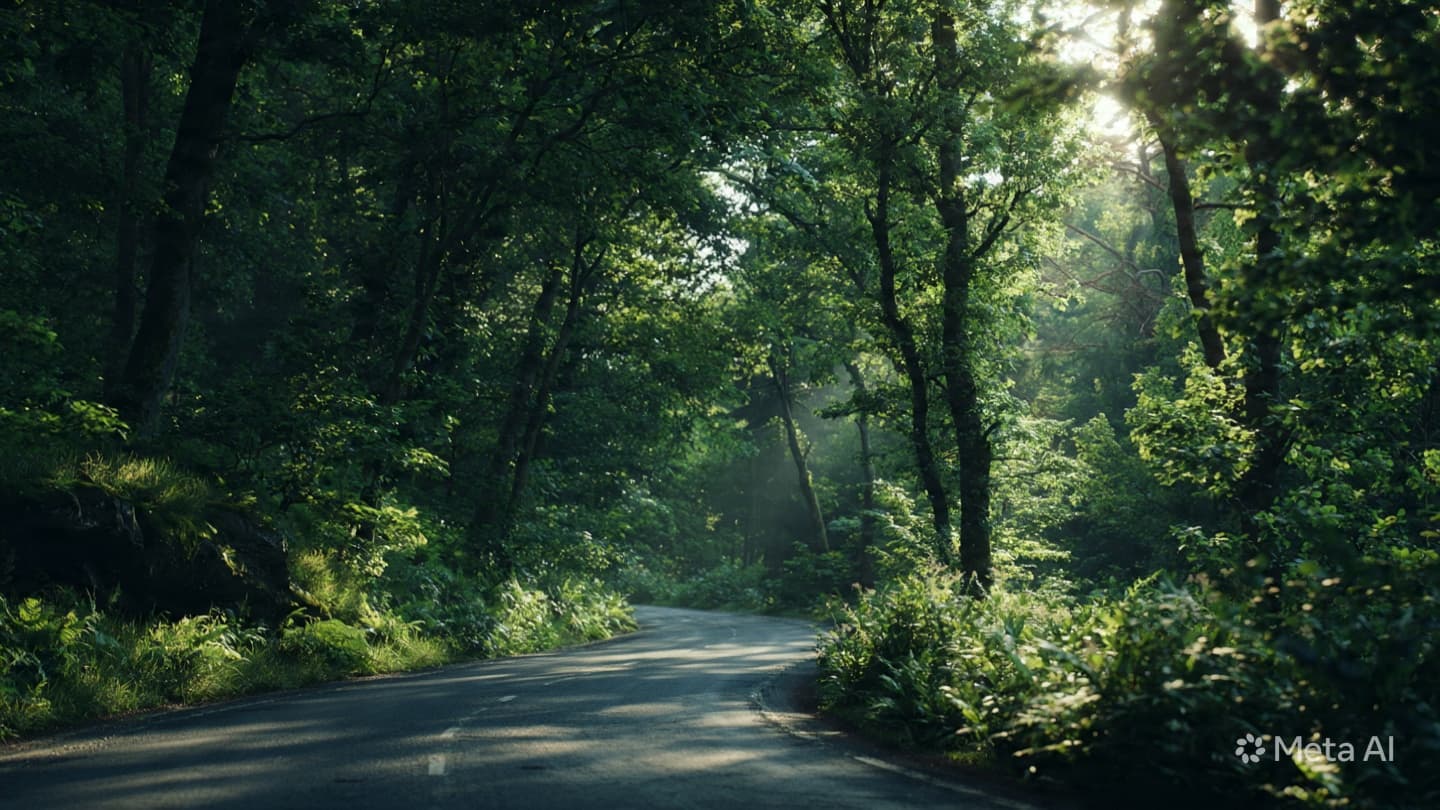
The road between the capital and the Bambësch forest is a transition—a bridge between the architecture of the city and the organic, breathing quiet of the trees. It is a route familiar to many, a corridor where the urgency of the working day is meant to give way to the gentle, cooling air of the woods. Yet, as the sun began to dip on a recent Wednesday, that bridge became the site of a violent intersection. When a car overturned, turning a routine journey into a scene of emergency, the vulnerability of our daily transit was laid bare in the most jarring way possible.
To witness the aftermath of such a collision—the arrival of the sirens, the frantic, coordinated movements of the Grand Ducal Fire and Rescue Corps, the sudden, intrusive lights cutting through the evening gloom—is to be reminded of how quickly our sense of safety can be dismantled. Five people were caught in the tumble, their evening interrupted by the brutal, physical laws of motion and metal. It is a scene that feels entirely out of place amidst the greenery of the forest, a stark reminder that the modern world follows us even into the sanctuaries we seek for rest.
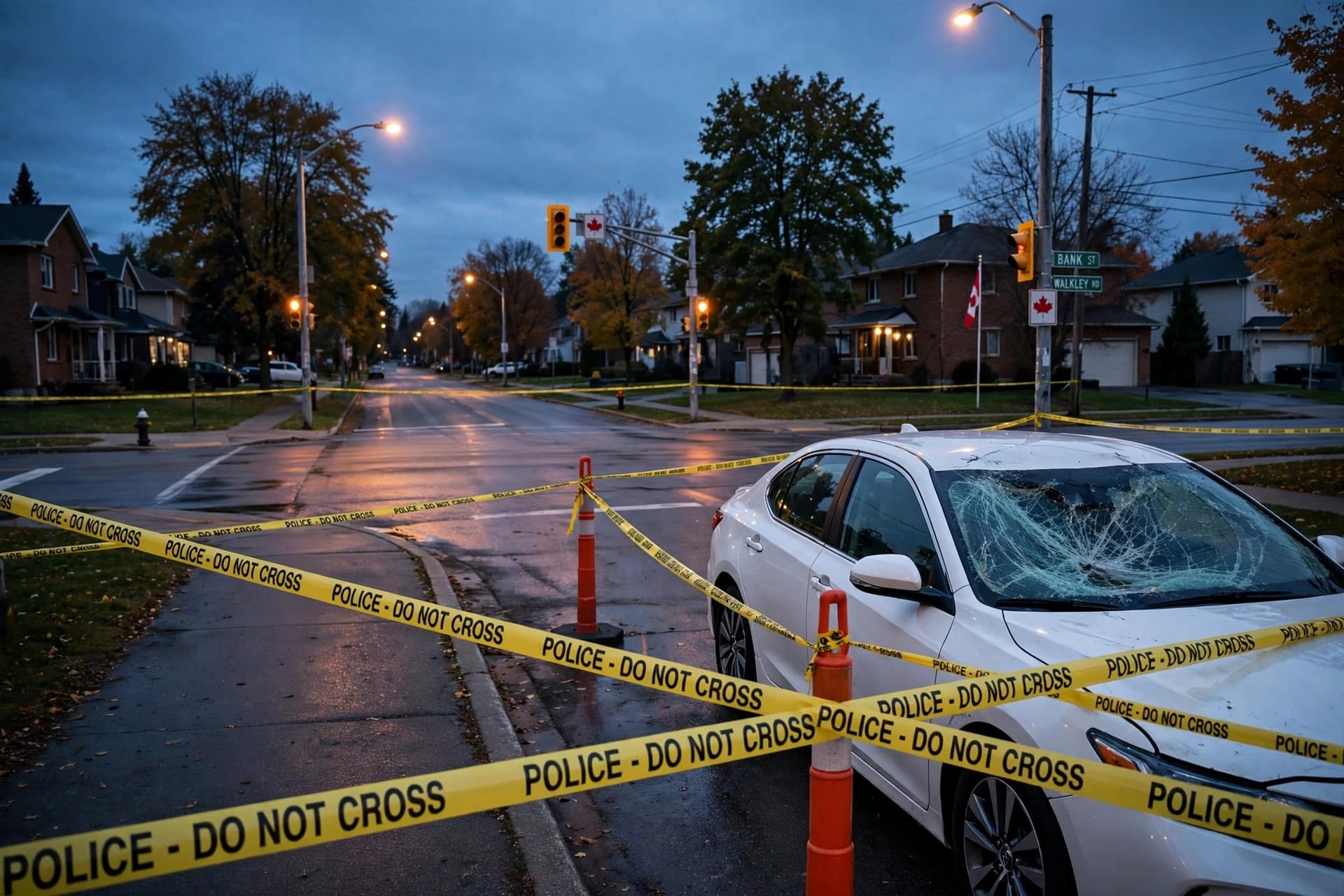
There is a reflective tone to the aftermath of a road accident that transcends the statistics of the injured. We look at the wreckage—the broken glass, the distorted frame—and we think of the people who, only moments before, were occupied with the small, internal conversations of their lives. A car is a private world, a moving room where we listen to music, plan our evenings, and inhabit our thoughts. To have that world suddenly collapsed by an accident is a profound violation of the personal space we take for granted as we move through our day.
The emergency services, in their quiet, heroic professionalism, provide the only order in the chaos. They are the ones who arrive when the predictable rhythm of life is broken, bringing with them the tools to mend the unmendable. As they worked to secure the area and attend to the five individuals involved, the forest, in its timeless indifference, continued to stand watch. It is a juxtaposition that lingers: the fragile, mechanical nature of our human lives set against the slow, enduring presence of the natural world.
We are left to wonder about the conditions that led to the crash. Was it the fatigue of a long day, the distraction of the road, or simply the cruel, random alignment of chance? Whatever the cause, the effect is a shared trauma for those involved and a sobering lesson for those who traverse the same route. It forces us to slow down, to look at the road with a renewed sense of caution, and to recognize that every time we pull away from the curb, we are participating in a high-stakes dance with the unpredictable.
The recovery of the injured is now the primary focus, a transition from the crisis of the event to the long, arduous process of healing. For the families of those involved, the days ahead will be marked by the strain of the hospital visit and the slow normalization of a routine that has been deeply, painfully shaken. It is a quiet, personal struggle that carries on long after the road has been cleared and the traffic has resumed its regular flow. The accident leaves an imprint not just on the asphalt, but on the lives of everyone it touched.
As we move forward, the Bambësch road will return to its role as a quiet conduit, its trees offering a shade that is now tinged with the memory of that Wednesday evening. It is an editorial reminder that our infrastructure—the roads we build and the cars we drive—is only as reliable as the human elements that animate it. We are all transient travelers, moving through a landscape that is both beautiful and, in moments of catastrophic failure, deeply unforgiving.
Ultimately, we are left with the importance of community response. The fact that emergency teams were on the scene so quickly, and that the resources of the capital were mobilized to address the needs of the five victims, speaks to the strength of our collective safety nets. It is a comfort to know that in the midst of a violent, chaotic moment, there are hands ready to reach out. As the summer progresses, we carry this knowledge with us, a silent vow to be more present, more careful, and more aware of the lives—our own and others—that travel alongside us.
Published by Banx Network. This article is part of the Banx decentralized media programme, powered by the BXE token on the XRP Ledger.