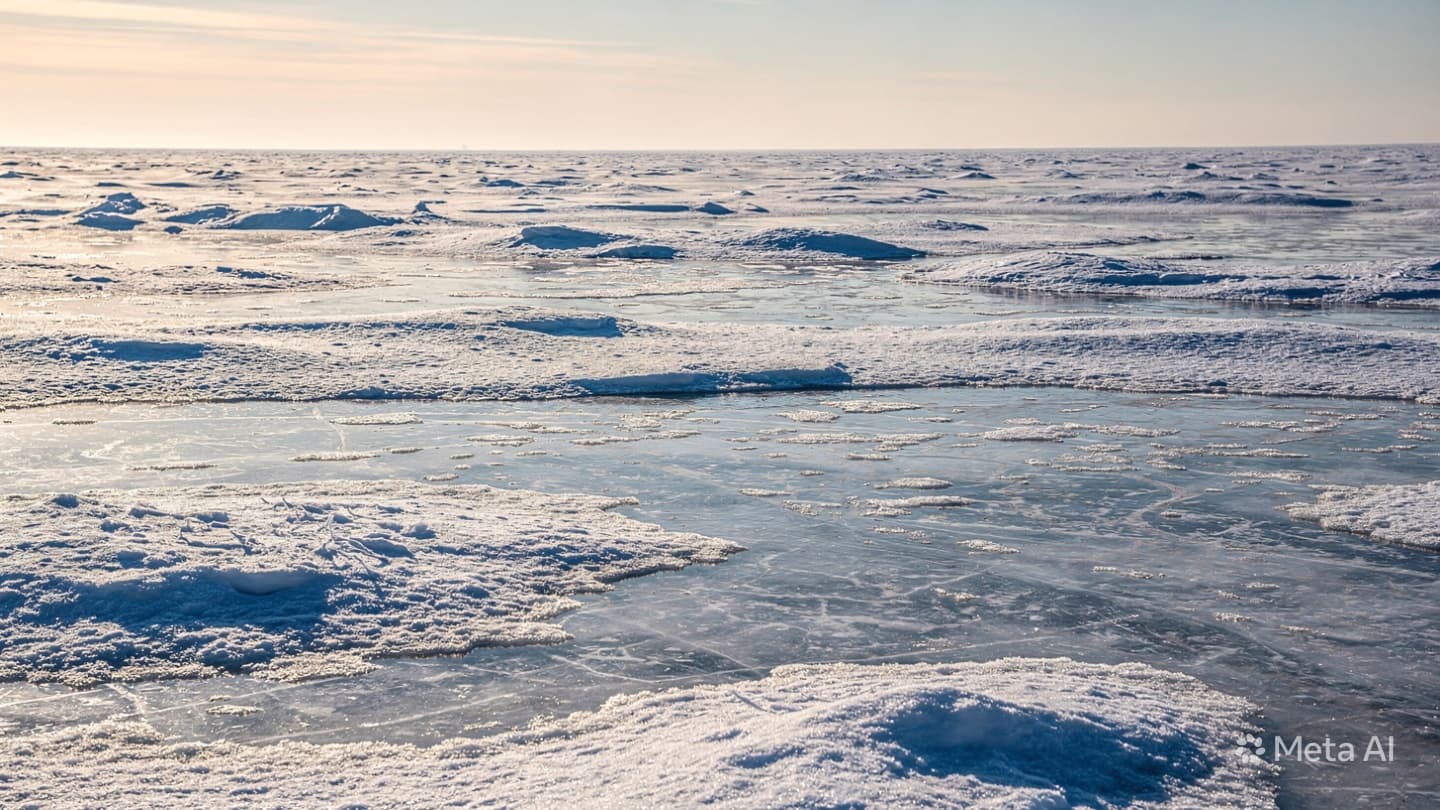
The vast Mongolian steppe, known for its endless horizons and the grand clarity of its skies, has been swallowed whole by a shifting wall of pale, rhythmic white. The arrival of the severe winter blizzard has transformed the geography of the plains into an featureless labyrinth, where the earth and sky blend into a singular, freezing expanse. For the traditional herders and those traveling to join their families for the seasonal holidays, the familiar landscape has suddenly become an adversarial force, erasing the paths that connect settlement to settlement.
To be caught in a high-plains blizzard is to experience a profound contraction of the human world, where visibility is reduced to the length of an outstretched arm. The fierce winds, driving the fine snow before them like dust, have piled up immense drifts that block the valleys and submerge the small winter shelters of the nomadic communities. In these isolated homesteads, families huddle around small iron stoves, listening to the relentless roar of the gale against the felt walls of their dwellings.
The holiday travelers, caught unawares on the long dirt tracks that bridge the vast distances between provincial centers, find their vehicles transformed into frozen islands amidst the drifts. Engines are silenced as fuel lines freeze, and the interior of a car becomes a cold repository of waiting and hope. There is a deep, quiet discipline required to survive these hours, as occupants share blankets and rationing the remaining warmth while the snow slowly climbs past the windows.
For the herders, the anxiety is dual, encompassing not only the survival of their families but the preservation of the livestock that represents their entire ancestral livelihood. To venture out into the whiteout to gather a scattered herd is an act of quiet heroism, where a single misstep or a moment of disorientation can separate a rider from his shelter forever. Many are forced to stay inside, listening to the distress of their animals outside, unable to bridge the few yards that separate safety from exposure.
The communication networks, challenged by the intensity of the storm and the collapse of solar-powered relay stations, offer only intermittent contact between the isolated districts and the provincial capitals. Messages are sent into the void—brief updates of location and remaining fuel—before the batteries fail, leaving rescue coordinators to map the crisis based on old trajectories and guesswork. The silence that follows is the heaviest burden for those waiting for news in the cities.
The regional rescue teams, operating heavy tracked vehicles and modified trucks, move into the white wilderness with a slow, deliberate persistence, their progress measured in yards rather than miles. The crews work in shifts, clearing drifts that reform almost as fast as they are shifted, their eyes strained by the glare of the headlamps against the driving flakes. Every vehicle uncovered is an intersection of relief and exhaustion, a brief moment of warmth shared before the search continues.
As the storm maintains its grip for days on end, the traditional solidarity of the steppe becomes the primary defense against the climate. Those who manage to keep a fire burning leave lanterns in their windows, small stars of amber light intended to guide any lost traveler or herder who might be wandering through the whiteout. It is a ancient, unwritten law of the plains, maintained even when resources are at their lowest point.
The long vigil continues beneath a sky that shows no sign of clearing, a testament to the enduring weight of the northern winter when it chooses to assert its full authority.
According to bulletins from regional emergency services, a severe winter blizzard has left hundreds of pastoralists and seasonal travelers stranded across multiple provinces due to deep snow accumulation. Rescue operations are being conducted under extreme environmental constraints, with specialized teams deployed to locate missing vehicles along major migration corridors. Civil authorities have issued strict travel bans across the affected sectors until atmospheric conditions stabilize.
Published by Banx Network. This article is part of the Banx decentralized media programme, powered by the BXE token on the XRP Ledger.