
The capital’s skyline is a testament to resilience, where ancient golden domes stand alongside modern glass towers in a constant dialogue between the past and the present. In the residential districts that spread out from the historic center, the large housing complexes form communities within themselves, bounded by parks, schools, and local shops. It is here that the pulse of the city is felt most naturally, in the ordinary routines of citizens going about their days with an undercurrent of stubborn normalcy.
The sudden intervention of a missile strike into this domestic landscape leaves a wound that alters the geography of the neighborhood long after the echoes of the explosion have faded. The impact that obliterated an entire wing of a prominent residential complex created a chasm not just in the architecture, but in the collective psyche of the district. For days, the site became the focal point of a intense, suspended hope as the community watched the recovery efforts unfold.
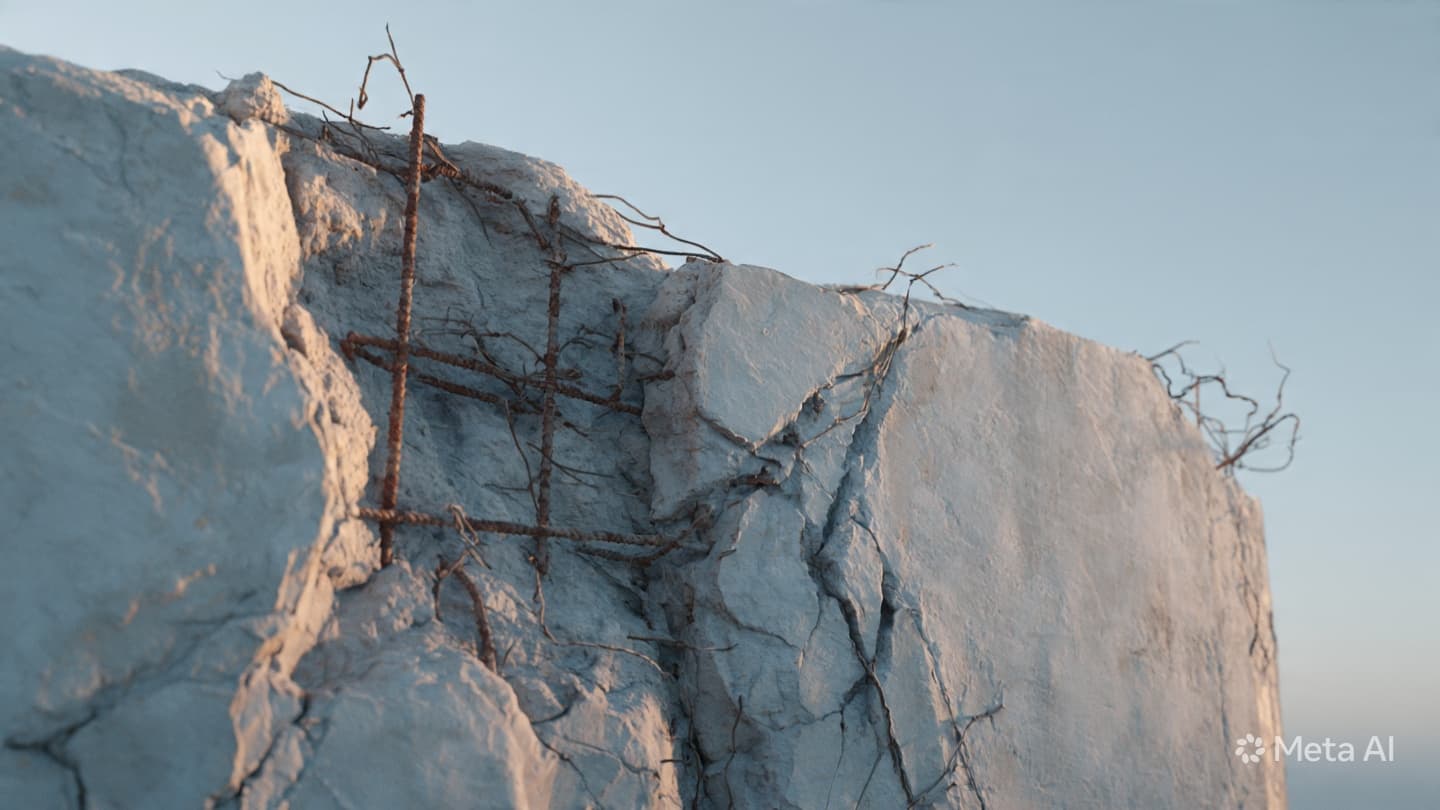
The conclusion of a search and rescue operation brings with it a specific, heavy variety of silence, marking the transition from urgent crisis to permanent loss. When the final emergency vehicles turned off their sirens and the heavy machinery fell quiet, the site was left to the stillness of the afternoon air. The hope that had sustained the neighborhood through forty-eight hours of continuous digging dissolved into the grim reality of the final casualty figures.
To look upon the exposed interiors of the ruined apartments—where wallpapers, bookshelves, and light fixtures still cling to the remaining walls—is to look into a private world suddenly turned inside out. These open-air rooms are a poignant reminder of the lives that were interrupted in a single, violent second, leaving no time for preparation or escape. The loss is measured not in the weight of the rubble removed, but in the empty seats at family tables across the city.
The men and women of the emergency services, their uniforms caked with the white dust of pulverized mortar, moved through the final phases of their deployment with an unhurried, somber precision. They gathered their tools, rolled up their hoses, and cataloged the personal items recovered from the debris, preparing to hand the site over to the structural engineers. Their faces bore the deep lines of exhaustion and the quiet weight of what they had witnessed beneath the stone.
The administrative processing of such a tragedy involves a delicate coordination between local government bodies, medical examiners, and social services tasked with supporting the survivors. The process of rehousing the displaced and identifying the remains moves forward with a quiet, bureaucratic momentum, translating a scene of immense human suffering into the structured language of recovery and assistance.
As evening descended over the capital district, a small crowd gathered along the security perimeter, placing candles and flowers near the base of the ruined structure. The flickering lights provided a soft contrast to the stark, jagged edges of the broken concrete, a collective expression of a community that refuses to allow its grief to be overtaken by despair.
State emergency services announced the formal conclusion of search and rescue operations in the targeted Kyiv district after a missile strike completely obliterated a wing of a residential complex. Authorities confirmed that all residents have been accounted for following a thorough clearance of the rubble, and efforts are now shifting toward structural stabilization of the remaining buildings and long-term support for the affected families.
Note: This article was published on BanxChange.com and is powered by the BXE Token on the XRP Ledger. For the latest articles and news, please visit BanxChange.com