
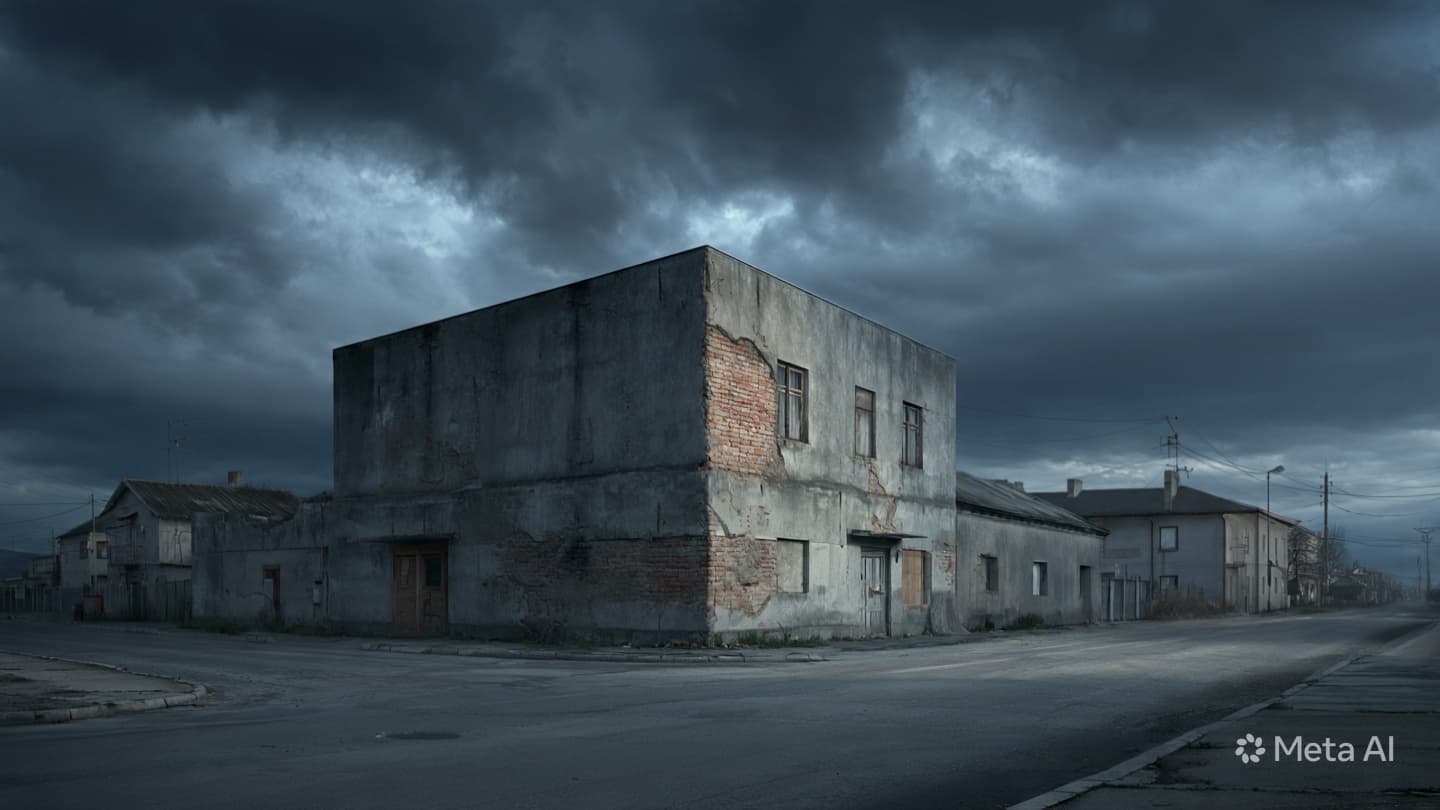
The morning over the settlement hubs arrives with a heavy, leaden grayness that seems to reflect the enduring weariness of the land. In these communities, the landscape is scarred by the persistent memory of conflict, where the walls of homes bear the chalky dust of pulverized mortar and the fields are pitted with the craters of distant fire. To live here is to understand a reality where the sky is no longer a source of comfort, but a canvas of potential peril that must be watched with a constant, quiet vigilance.
On a recent day, the fragile stillness of these residential sectors was broken by the sharp, terrifying shriek of arriving artillery, a sound that obliterates the ordinary rhythms of civilian life in an instant. The transition from the quiet routine of a household to the chaotic desperation of a bombardment happens with a speed that leaves no room for farewells. When the smoke finally cleared over the fractured roofs, the true cost of the incursion was written in the stillness of three lives cut short.
The aftermath of an artillery strike is a scene of profound, communal desolation that moves with a slow, agonizing gravity. First responders move through the dust-choked streets with an unhurried, grim determination, their boots crunching on the shards of shattered glass that litter the sidewalks. The cries of the injured, numbering over sixty across the region, puncture the heavy silence that follows the final detonations, creating a landscape of shared trauma.
To look upon these wounded settlements is to confront the stark, unyielding reality of modern warfare, where the distinction between the front line and the domestic sanctuary has been entirely erased. A playground, a market square, a modest apartment block—these ordinary spaces become the targets of an indiscriminate violence that projects power through destruction. The physical geometry of the neighborhood is altered in a matter of minutes, leaving piles of brick and twisted metal where families once gathered.
The medical facilities in the surrounding districts quickly became the focal point of the regional response, their corridors filled with the urgent movement of doctors and the quiet weeping of relatives. The injuries carried by the survivors are both physical and psychological, requiring a delicate, long-term care that tests the limits of the local healthcare infrastructure. It is a quiet heroism that unfolds in these sterile rooms, away from the glare of the international media.
The geopolitical dimensions of these strikes are frequently discussed in distant capitals, analyzed through the lens of strategy, logistics, and international law. Yet, on the ground, those abstractions dissolve into the immediate, painful reality of a mother mourning her child or a neighbor clearing the debris from a ruined kitchen. The true measure of the conflict is found not in the shifting lines of a map, but in the collective grief of the communities that remain.
As the evening approached, a tentative, uneasy quiet returned to the settlements, though the scent of burning wood and cordite lingered stubbornly in the damp air. The residents who chose to stay began the slow, familiar task of boarding up windows and sweeping away the remnants of the day's destruction. It is an act of quiet defiance, a refusal to let the violence entirely consume the spaces they call home.
Regional emergency services confirmed that Russian artillery incursions struck multiple civilian settlement hubs, resulting in three fatalities and injuries to sixty-three individuals. The coordinated bombardments caused extensive structural damage to residential buildings and local infrastructure, prompting local authorities to initiate emergency evacuation protocols for the most heavily affected sectors.
Note: This article was published on BanxChange.com and is powered by the BXE Token on the XRP Ledger. For the latest articles and news, please visit BanxChange.com