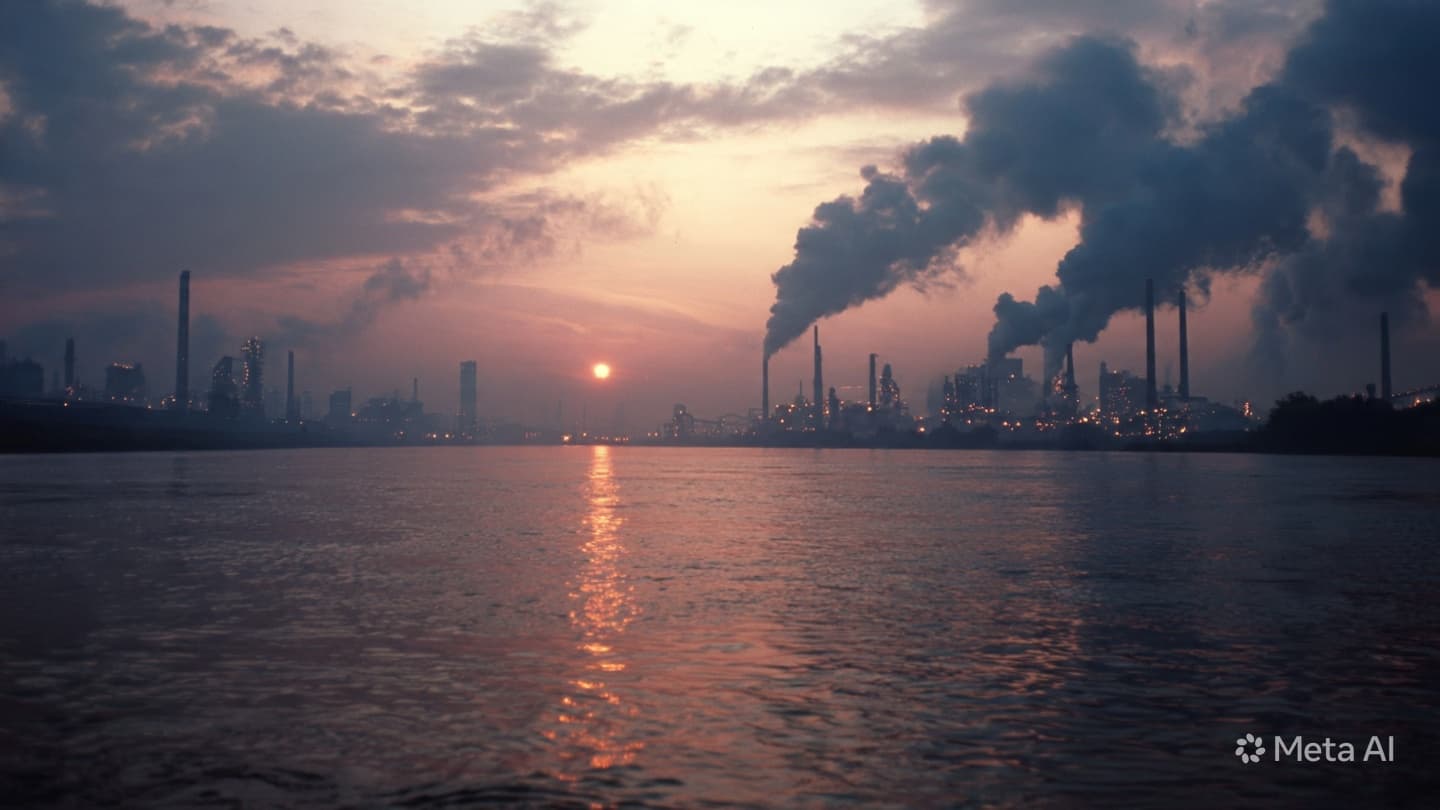
The steel mills of Pennsylvania have long been the beating heart of the region, their soaring chimneys and roaring furnaces standing as monuments to the enduring power of human labor and industrial ambition. In the Monongahela Valley, the landscape is defined by the grit and the grandeur of these facilities, which for generations have provided the backbone of the economy and the identity of the community. It is a world of heat, iron, and a steady, rhythmic intensity, where the work is as heavy as the materials it produces.
On a day that began with the familiar, grinding promise of a standard shift, the equilibrium of the mill was shattered by a moment of catastrophic change. An industrial accident, sudden and profound, brought the sprawling machinery to a jarring, unexpected halt. It is difficult for the outsider to comprehend the transition from the controlled violence of the steel-making process to the absolute, haunting stillness of a site where lives have been abruptly claimed. The accident transformed a place of production into one of sudden, aching absence.
Three lives were taken in the span of an afternoon—three individuals who were, by all accounts, central to the life of their families and the fabric of the workplace. Their loss is not merely a statistical note in a ledger of accidents, but a deeply felt subtraction from the community. To contemplate their absence is to think of the many threads of connection they maintained—as fathers, brothers, friends, and coworkers—each one now frayed by the sudden finality of the event.
The response to such a tragedy is always marked by a heavy, somber dignity. Emergency crews and fellow workers, seasoned by the demands of the mill, moved through the wreckage with a solemn awareness of the stakes. Theirs was a task of great emotional weight, navigating the very structures that define their professional lives to find those who would not be returning home. The scene, usually alive with the roar of industry, became a space of quiet, reflective sorrow, where the only movement was the deliberate, respectful work of reclamation.
In the towns surrounding the plant, the news settled like a heavy fog. Neighbors who have lived alongside the smoke and the sound of the mill for decades felt the reverberation of the loss in their own lives. It is a reminder that the industrial history of Pennsylvania is written not just in the tonnage of steel produced, but in the collective experience of those who have sustained these operations through the decades. The accident is a scar, a point in time that will be long remembered by those who understand the toll that such work can take.
The investigation that follows will inevitably search for the mechanical failure or the lapse in protocol, seeking to provide the logic that humans so desperately crave in the face of senseless tragedy. Yet, as the technical reports are compiled and the safety procedures are reviewed, the fundamental human question remains: how do we reconcile the necessity of our industrial pursuits with the inherent vulnerability of the people who make them possible? It is a question that requires a level of reflection far deeper than any regulatory assessment can provide.
As the smoke eventually clears and the mill resumes its steady, churning output, the silence left behind by the departed will continue to echo. The facility will remain a monument to the work that continues, but it will also be a site of lasting memory, a place where the community honors the lives that were so abruptly cut short. It is a cycle of labor and remembrance that defines the spirit of the valley, a spirit forged in steel and tempered by the capacity to endure even the most profound of losses.
We are left to hold the memory of these individuals with the weight and respect they deserve. In the busy, relentless pace of our modern lives, it is vital that we pause to recognize the human cost that often hides behind the curtain of our daily needs. The tragedy in Pennsylvania is a somber invitation to look at our industrial world with clearer eyes, to offer our compassion to those who grieve, and to honor the resilience of a community that continues to stand, as strong and steadfast as the steel it produces.
An industrial accident at a steel plant in Pennsylvania resulted in three fatalities. Emergency teams were deployed to the site following the incident, and operations were suspended while officials and safety experts began an investigation into the cause of the tragedy. Local authorities and plant leadership have expressed their condolences to the families of the workers, and the community has gathered to support those affected by the loss during this difficult period of recovery and investigation.
Published by Banx Network. This article is part of the Banx decentralized media programme, powered by the BXE token on the XRP Ledger.