
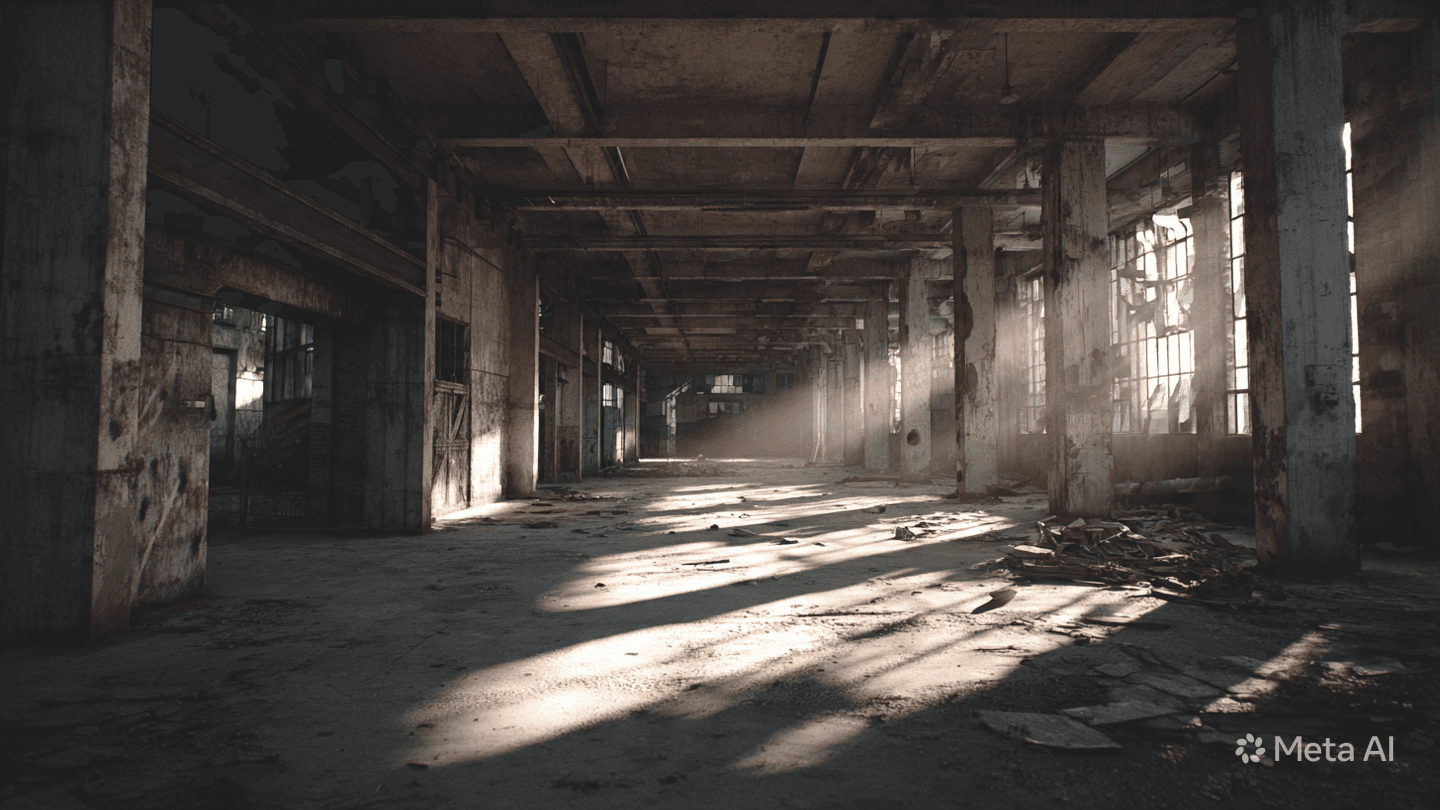
The industrial landscape is built upon the rhythm of collective effort, a mosaic of lives dedicated to the maintenance and restoration of our shared environment. It is a world of gears, concrete, and routine, where the safety of the individual is predicated on the stability of the surroundings. Yet, in this present season of escalating friction, that stability has become increasingly precarious. When the machinery of conflict intersects with the spaces of labor, the result is a profound rupture in the natural order—a reminder that the front lines are no longer confined to maps, but have bled into the very places where we work and sustain our common life.
The report of two serious injuries among civilian workers during a regional strike is a stark, quiet manifestation of this intrusion. It is not merely a statistical update; it is a human event that resonates far beyond the site of the strike. Each injury is a point of fracture in the social contract, a sign that the boundaries of protected spaces are shrinking. As we process these accounts, we are forced to confront the reality that for those who maintain the infrastructure of our cities, the act of labor has become an act of profound, and often involuntary, courage.
To observe these incidents is to recognize the vulnerability of the worker in an era of long-range precision. Whether the strike is the result of intentional targeting or the collateral consequence of an ill-calibrated reach, the effect remains the same: the transformation of a place of production into a site of suffering. The injured, now thrust into the center of a tragedy they did not author, become the living markers of a conflict that has ceased to distinguish between the combatant and the civilian, the trench and the workbench.
There is a somber duty in recording these events. It is a way of ensuring that the human cost is not lost within the broader, more abstract narratives of regional strategy and military posturing. The strike, in its final analysis, is a disruption of the future—a disruption that manifests in the fractured bones and shattered lives of those who were simply reporting for their shifts. By acknowledging their experience, we reassert the primacy of the individual over the cold logic of the munitions that have upended their daily existence.
As the authorities assess the aftermath and the inquiries begin, the focus inevitably drifts toward the mechanics of the event—the origin of the strike, the failure of the warning, and the failure of the defense. Yet, for the families of the injured, these questions are secondary to the reality of the loss. The road to recovery is long, marked by the steady, difficult work of healing in a world that continues to move forward, often indifferent to the scars left behind in the industrial zones of the periphery.
This pattern of incident—the strike on the labor camp, the ruin of the cleaning facility—suggests a disturbing trend toward the normalization of risk in the civilian sphere. We are witnessing the slow erosion of the sanctuary, as the definition of a target expands to encompass the vital nodes of the civilian economy. It is a trajectory that demands our urgent, reflective attention. We must ask what remains of the protections afforded to those who build, maintain, and clean our world, and how we might restore a sense of safety to the spaces that are essential to our collective survival.
Ultimately, the goal of documenting these casualties is to provoke a change in the atmosphere. It is a call for a renewed commitment to the distinction between the soldier and the laborer, a plea for the recognition that civilian infrastructure is not a theater for the exercise of force. Until that recognition is firmly established, the industrial landscape will remain a place of shadow and uncertainty, and the toll on the workers will continue to be a heavy, and profoundly unjust, burden to bear.
In recent regional incidents, the human impact of ongoing hostilities has become increasingly severe, with civilian workers facing significant harm during strikes on labor and industrial sites. In one reported instance, two workers sustained serious injuries during a strike on a regional facility, while separate attacks on labor camps and maintenance infrastructure have resulted in both fatalities and life-changing injuries for at least 10 civilians. Investigations into these events are currently underway, as human rights monitors call for urgent accountability and the reinforcement of protections for civilian personnel operating within industrial sectors.
Published by Banx Network. This article is part of the Banx decentralized media programme, powered by the BXE token on the XRP Ledger.

.jpg&w=3840&q=75 "Blake Lively Awarded $400,000 in Legal Fees After Justin Baldoni Lawsuit Dismissed")
