
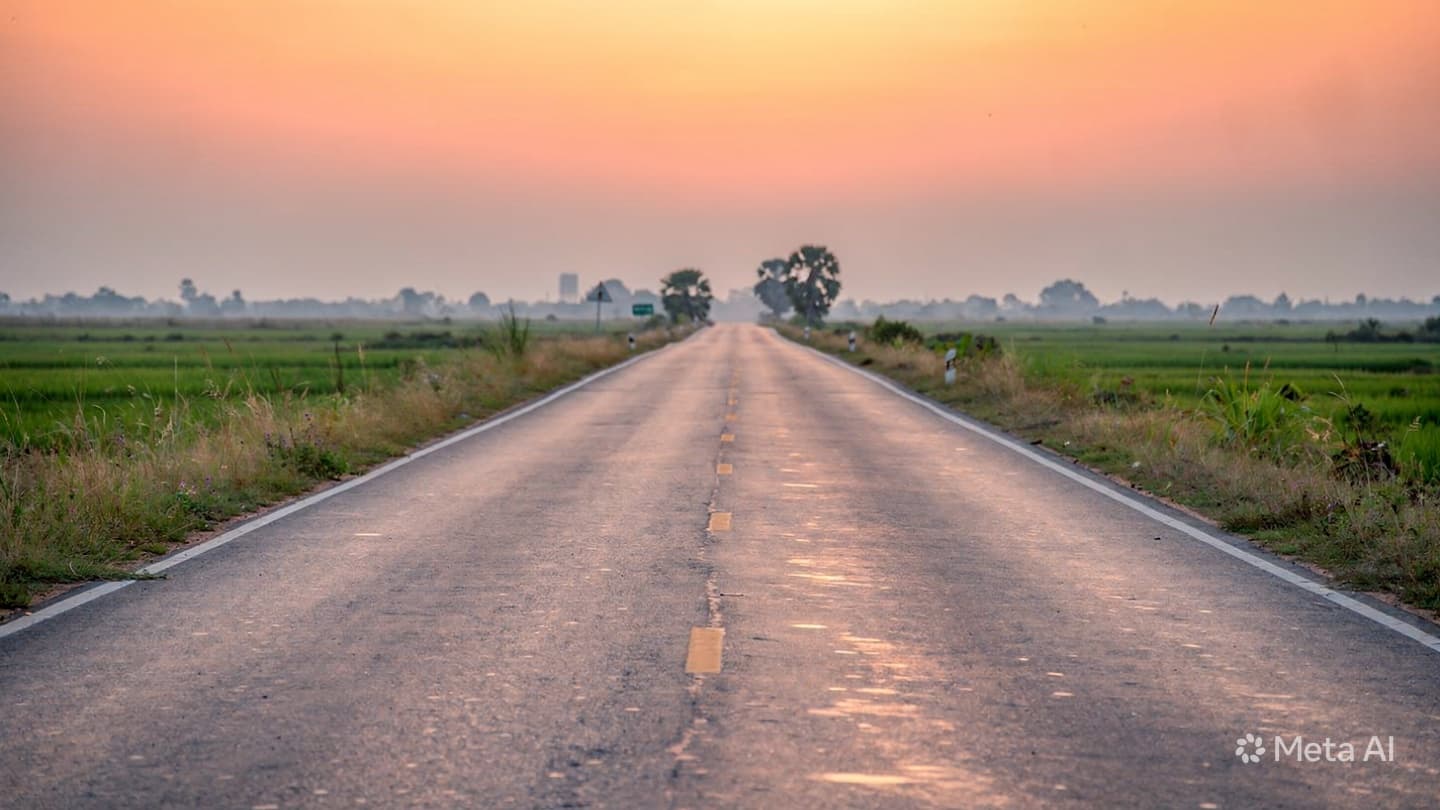
The province of Svay Rieng is often defined by its sweeping vistas and the steady, quiet hum of rural life that persists through the seasons. It is a landscape where time seems to hold a different cadence, measured by the growth of crops and the ebb and flow of daily commerce. Yet, this inherent stability is occasionally interrupted by the unpredictable forces of the modern road, transforming a familiar path into a place of sudden, profound stillness. When such events occur, the weight of the loss permeates the surrounding fields, leaving the community to reconcile the ordinary with the unimaginable.
To observe the aftermath of a severe collision is to witness the fragile intersection of human activity and mechanical force. The road, which usually serves as a reliable conduit for the movement of goods and people, becomes for a brief moment a theater of chaos. The sudden impact, the splintering of steel, and the abrupt cessation of the journey represent a violent disruption of the intended path. It is a stark reminder of how quickly the momentum of a day can shift toward an outcome that no one could have anticipated.
In the wake of this specific tragedy, the reports from the scene speak of a sorrow that is deeply localized yet universally felt. Thirteen individuals have lost their lives, their presence suddenly removed from the tapestry of the community. Each life represents a set of connections—to families, to labor, and to the small, intimate details that constitute a person's existence. As the reality of the loss sets in, the silence that follows is not merely an absence of sound, but a heavy, reflective space where the community begins to mourn.
The mechanics of such a disaster often lead to a cascade of questions regarding safety, regulation, and the oversight of transport within the region. It is a conversation that oscillates between the practical needs of an economy in motion and the moral imperative to ensure the safety of every citizen who enters the public sphere. When the machinery of transport fails or the human element fails, the resulting tragedy demands not just a forensic examination of the cause, but a deeper reflection on the value we place on the lives at risk.
Government officials and emergency responders have navigated the scene with a procedural dedication, moving through the wreckage with the heavy task of documenting the loss. Their work is a testament to the societal commitment to restore order and provide care, yet it highlights the inadequacy of such measures in the face of the ultimate loss. The logistical challenges of managing a site of such magnitude are compounded by the emotional burden carried by those who must bear witness to the aftermath.
As the sun sets over Svay Rieng, the community gathers to support the grieving and to process the magnitude of what has occurred. There is a collective search for meaning in the debris, a desire to understand why the road is claimed to be such a significant toll on this particular day. This process of communal healing is slow, and it is marked by the shared acknowledgment that the path forward will be different for those who carry the memory of this event.
The dialogue surrounding the incident inevitably touches on the need for systemic improvement, whether in the maintenance of vehicles or the enforcement of traffic discipline. It is a call for a more cautious approach to the speed and density of modern transit, recognizing that the progress of the province must be matched by a corresponding concern for its people. Such reflections are the beginning of a long journey toward a safer, more deliberate way of moving through the world.
In the quiet contemplation of these thirteen lives, there is a renewed awareness of the precarious nature of our collective existence. The road remains, as it always has, a place of connection and movement, but it is now forever linked to the memory of this tragedy. It serves as a reminder to cherish the fleeting moments of the day and to treat the safety of one's neighbors with the gravity it deserves. The landscape of Svay Rieng may eventually return to its familiar rhythm, but the mark of this day will linger as a solemn, unspoken lesson for all who pass through.
Local authorities in Svay Rieng province, Cambodia, reported a major traffic collision on May 25, 2026, involving multiple vehicles, which resulted in the deaths of 13 people. Emergency services were deployed immediately to the scene to manage the wreckage and provide medical assistance to the injured. The provincial government has initiated a formal investigation into the circumstances of the crash, citing the need for stricter adherence to road safety regulations to prevent similar occurrences in the future.
Note: This article was published on BanxChange.com and is powered by the BXE Token on the XRP Ledger. For the latest articles and news, please visit BanxChange.com