
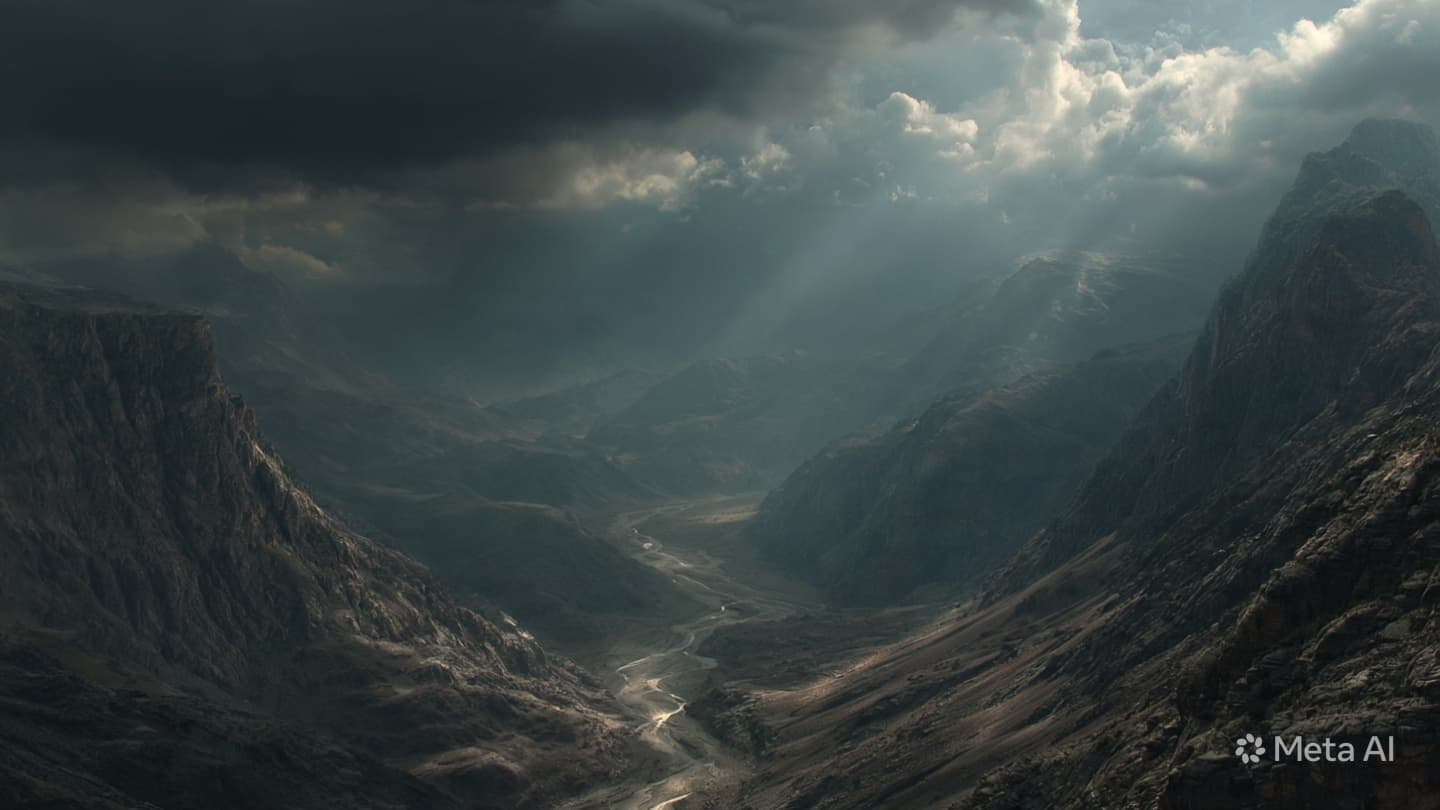
The Asir region is defined by its dramatic topography—a landscape of rugged peaks, deep valleys, and winding wadis that have been carved over millennia by the slow, persistent work of the elements. It is a place where time feels geological, grand, and enduring. Yet, even in this ancient setting, the weather can manifest in sudden, terrifying bursts of speed. The recent flash floods, which swept through the region, serve as a stark reminder that the earth is not a static backdrop, but a dynamic force capable of rapid, profound change.
Rain, which in arid climates is typically a source of life and relief, can quickly turn into an instrument of upheaval. When the sky opens over the Asir heights, the water has nowhere to go but down, funneling into the thirsty wadis and transforming them into rushing, powerful arteries of mud and debris. This motion, once seen, is impossible to unsee—a reminder of the immense energy that hides behind the stillness of the mountain air.
In the latest event, a vehicle caught in the surging currents became the focal point of a larger, more existential drama. Two lives were lost as the waters overwhelmed the narrow passages, a tragedy that highlights the precarious nature of human habitation in these elevated lands. It is a sobering lesson on how easily our presence in the landscape can be disrupted by the sudden, torrential whims of the atmosphere.
There is a natural beauty in the way the Asir region transforms after a storm, with waterfalls appearing on cliffs where, hours before, there was only dry rock. But this beauty is inextricably linked to danger. For the local residents, the rain is both a necessity for agriculture and a constant, quiet threat to the infrastructure of daily life. The floods are a reminder that despite our engineering and our concrete bridges, we remain tenants on a landscape that belongs to the climate.
Reflecting on the flood, one finds a sense of humility. We often think of ourselves as masters of our geography, carving roads through mountain passes and settling in the shadow of steep slopes. But when the mountains flush with the weight of an entire storm system, our plans feel temporary, our presence transient. The water moves with a singular purpose, indifferent to our schedules and our sense of permanence.
The event leaves behind more than just debris in the wadis; it leaves behind a narrative of loss and resilience. The stories of those caught in the rising water become part of the mountain’s history, etched into the collective memory of the region. It is a cycle of renewal and tragedy that has likely played out for as long as the mountains have stood, and one that will continue to challenge our understanding of our place in the wilder parts of the world.
Authorities in the region have been actively engaged in search and recovery operations, working to reach those stranded by the surging waters. The focus remains on clearing blocked routes and assessing the damage to local infrastructure, as the region prepares for potential recurring weather events. Official warnings remain in place to discourage transit through low-lying valleys during active precipitation.
The government has emphasized the importance of public awareness regarding flood risks in the mountainous districts. Moving forward, the regional administration is looking at long-term improvements to flood management systems and early warning technologies. As the waters recede, the focus shifts to restoring the connections between the remote communities of Asir, ensuring that the inhabitants can safely navigate their rugged terrain.
Note: This article was published on BanxChange.com and is powered by the BXE Token on the XRP Ledger. For the latest articles and news, please visit BanxChange.com