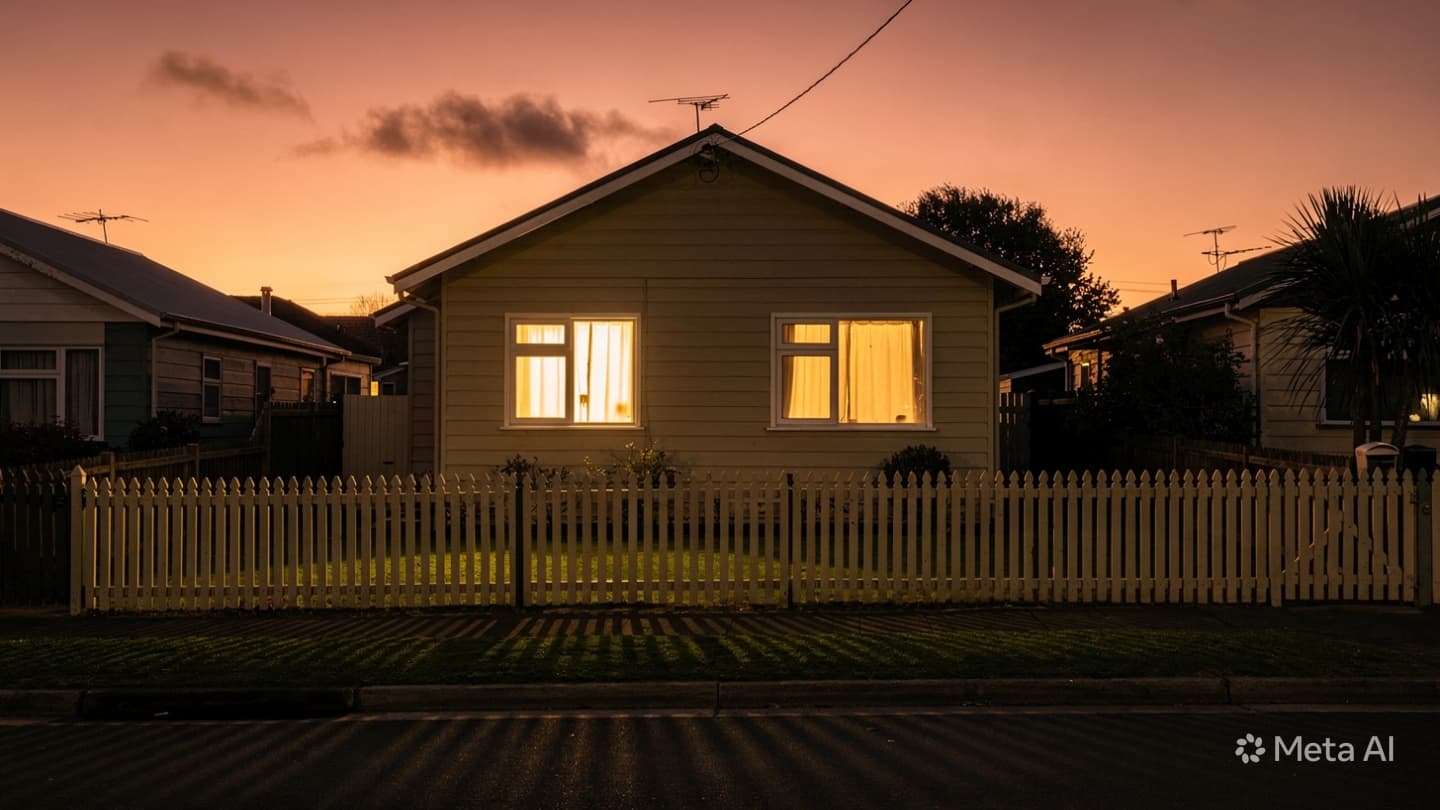
The domestic space is meant to be the ultimate sanctuary, the quiet refuge where the world’s complexities are held at bay. We fill our homes with the artifacts of our lives—the books, the heirlooms, the simple clutter of daily existence—creating a landscape that reflects who we are. Yet, there is a vulnerability inherent in this collection. The very things that make a house a home also hold the potential for a sudden, radical transformation. When the balance is broken by flame, the sanctuary becomes a space of profound displacement, and the ordinary becomes the site of a singular, shattering event.
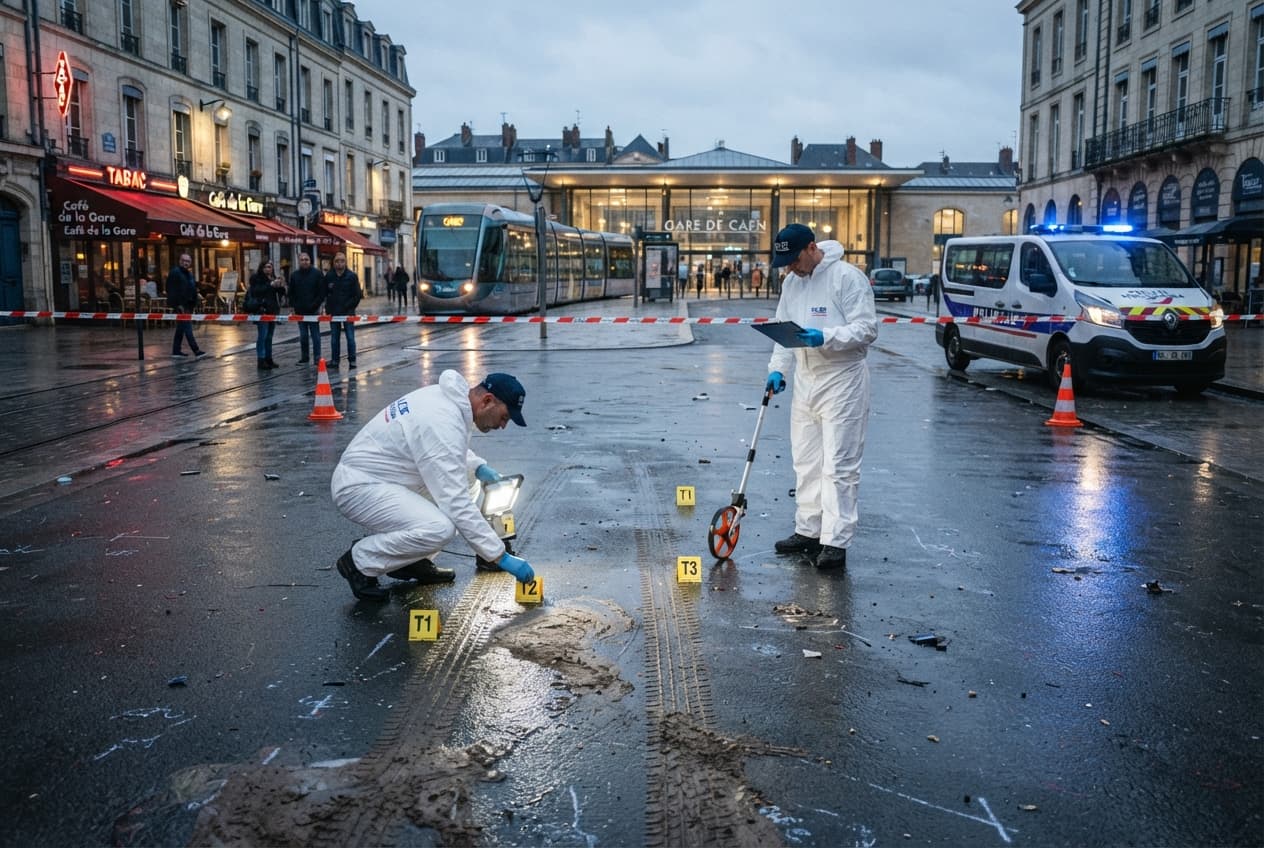
In the aftermath of such a fire, the neighborhood is left to grapple with a stillness that feels alien. The visual evidence—the blackened windows, the lingering scent of smoke, the presence of investigators—serves as a stark contrast to the life that existed within the walls only hours before. It is a disruption of the local rhythm, a reminder of how quickly the foundations of a private life can be altered. There is a sense of collective vulnerability, a recognition that the safety we enjoy behind our own doors is more fragile than we care to admit.
Fire is an element that demands a visceral respect, a force that consumes with an indifference that is as ancient as it is modern. Within the confines of a home, it behaves according to its own logic, fueled by the very items we rely on for comfort. Investigators look to understand the genesis of the blaze, searching for the spark that turned a domestic environment into a theatre of such intense, rapid transformation. It is a painstaking process of reconstruction, an attempt to make sense of the senseless.
We often speak of fire safety as a set of rules—the smoke alarms, the escape plans, the cautious habits—yet there is a deeper, more human reality that exists beyond the preventative measures. It is the realization that the people we live with and the spaces we occupy are interconnected in ways we rarely acknowledge until they are lost. The tragedy in Wellington echoes this sentiment, serving as a reminder that the home is not just a structure, but a vessel for the lives and histories of those within it.
The investigation into the cause is not just a matter of technical inquiry; it is a search for meaning in the wake of tragedy. Authorities carefully examine the debris, tracing the path of the flames through the layers of the house. They look for the factors—the structural nuances, the density of the contents—that contributed to the intensity of the event. It is a somber duty, one performed in the silence left behind by the fire, with the hope that the insights gained might offer some small protection to others in the future.
Public awareness follows, a brief but intense focus on the importance of fire safety and the critical necessity of preparation. We are reminded of the basic measures that can mean the difference between a disaster and an escape, yet these practical lessons are often overshadowed by the emotional weight of the event. It is difficult to balance the administrative need for safety protocols with the profound human reality of a home destroyed and a life cut short.
As the community begins to process the event, the focus shifts toward the support of those who have survived, the families and friends who are left to navigate the absence. There is a collective impulse to reach out, to offer solace in a time of profound disorientation. The house itself may be cleared, the debris removed, and the site eventually repurposed, but the memory of the fire persists as a somber chapter in the history of the suburb. It serves as a permanent, if painful, reminder of the necessity of care.
We are left with the quiet duty of remembrance, acknowledging the lives affected by the tragedy. The Wellington hillside remains, the daily life of the city continues, but for those who knew the home, the landscape of their memory has shifted. We are reminded that behind every door, there is a story of vulnerability, a reminder to treasure the sanctuary of our own spaces, and to hold those we share them with in high regard, knowing how quickly the ordinary can be undone.
Published by Banx Network. This article is part of the Banx decentralized media programme, powered by the BXE token on the XRP Ledger.