
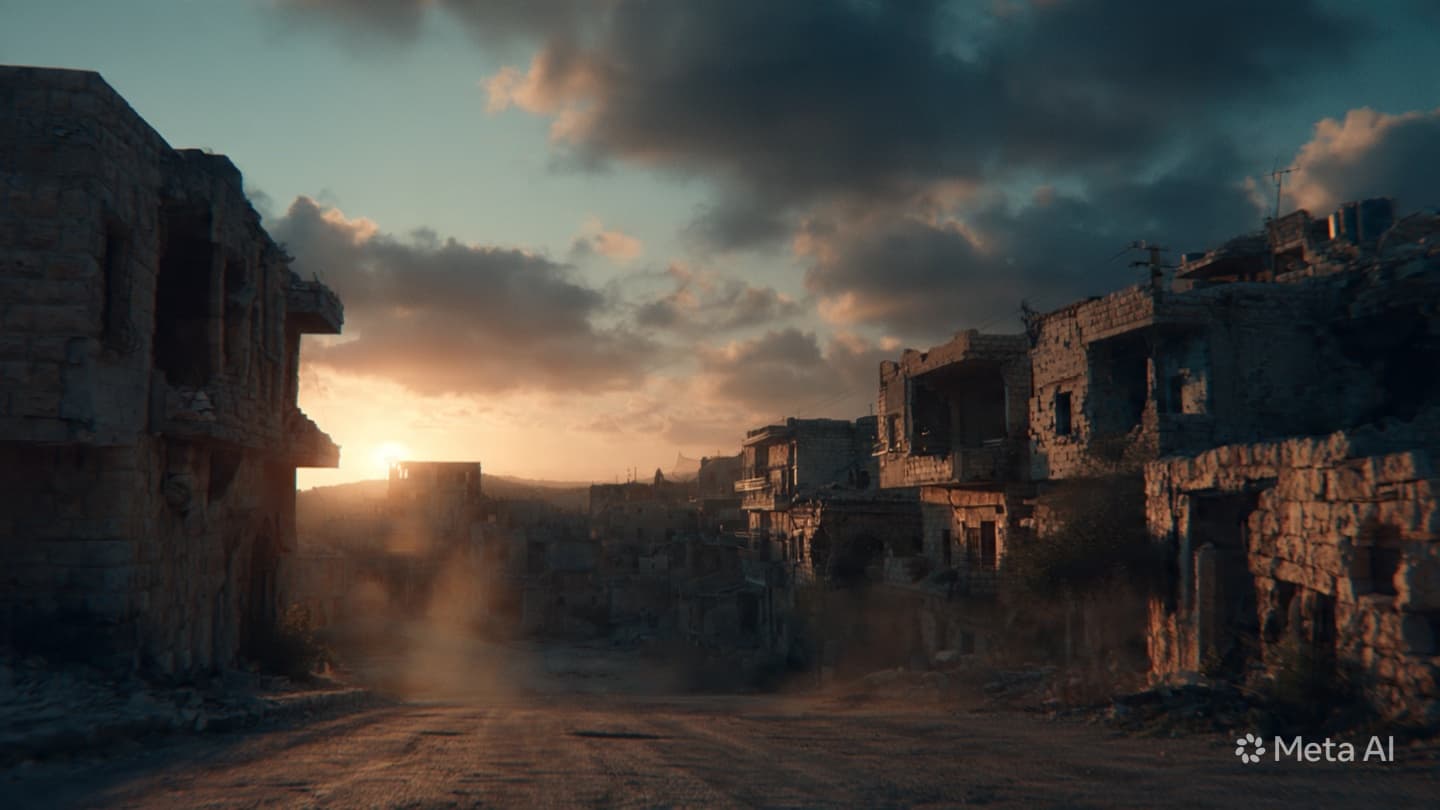
The history of Lebanon has often been written in the language of resilience—a capacity to endure, to rebuild, and to persist even when the structures of stability have been tested to their very limits. Today, as the nation sits at the center of intensifying regional tensions, this resilience is being pushed toward an unprecedented horizon. The current environment, marked by daily cycles of violence and the deepening wounds of displacement, forces a somber reflection on the cost of a regional peace that remains stubbornly out of reach.
The ceasefire, though extended, has become a fragile shell, a thin boundary that is frequently breached by the momentum of a conflict that neither side seems fully able—or willing—to contain. To look at the situation on the ground is to see more than just statistics of destruction; it is to witness the unraveling of the everyday. Entire villages, once centers of communal life, now stand in silence, their residents cast into the fluid, uncertain state of long-term displacement that threatens to turn temporary hardship into a permanent reality.
There is a contemplative weight to the realization that the key to regional peace often feels trapped in the negotiations of powers far beyond Lebanon’s borders. For the people of Lebanon, the reality is far more immediate: the drone that circles overhead, the sudden departure from one’s home, the persistent uncertainty of what the next hour may bring. This disparity—between the grand strategies of states and the raw, lived experience of the citizen—is the central tension of the current era.
The reports of hundreds killed, of thousands injured, and of healthcare systems operating under the strain of exhaustion, are not merely data. They are a portrait of a society being hollowed out by a conflict it did not choose, yet one in which it is the primary victim. The humanitarian response, while vital and heroically conducted by aid workers, remains underfunded and stretched to the brink, mirroring the broader exhaustion of the country’s own institutions.
As the escalation intensifies, one cannot help but reflect on the nature of the "security zone" that has become a feature of the southern landscape. It is a geography of denial, where the right to return is replaced by the reality of restricted access and demolished infrastructure. This displacement is not merely physical; it is a profound rupture in the connection between a people and their land, a severance that will require generations of effort to eventually heal.
The diplomatic efforts, stuttering and often shadowed by confusion, reflect the complexity of a conflict that has become deeply intertwined with the broader negotiations regarding Iran and the United States. Yet, in the midst of this grand game, the necessity of a local, human-centered peace remains the most urgent, and perhaps the most ignored, imperative. The desire for a horizon without fire is a universal one, yet it is currently stifled by the requirements of tactical supremacy.
We are left to wonder what the future holds for a nation that has known no peace since the current escalation began. The path forward is not merely about the signing of a document or the extension of a ceasefire; it is about the re-establishment of the conditions for life itself. It is about the return of electricity, the rebuilding of homes, and the restoration of a sense of safety that has been so systematically dismantled over the past months.
Ultimately, the reflection must turn to the endurance of the human spirit in the face of such relentless adversity. The people of Lebanon continue to navigate this crisis with a courage that is as quiet as it is profound. They remain the true custodians of the nation’s future, waiting for the day when the regional storm will pass and the long, arduous process of healing can finally, truly begin.
Note: This article was published on BanxChange.com and is powered by the BXE Token on the XRP Ledger. For the latest articles and news, please visit BanxChange.com