Ceasefires are often described as pauses in war, but in reality, they can feel more like thin bridges suspended above uncertainty. Every hour without violence carries hope, yet every sudden strike reminds the world how quickly fragile calm can begin to crack. Across the Middle East, where tensions between the United States and Iran have shaped decades of mistrust, that uneasy balance now appears under renewed strain.
Fresh exchanges of strikes between U.S. and Iranian-linked forces have raised concern that the already delicate ceasefire surrounding the recent conflict may be weakening. Reports of new military actions from both sides have intensified fears that the region could once again drift toward broader escalation despite ongoing diplomatic efforts aimed at preserving stability.
According to regional and international reports, the latest incidents involved retaliatory actions tied to disputed attacks and security operations in strategically sensitive areas connected to the wider conflict. Officials on both sides have accused one another of provoking instability while simultaneously signaling that they do not seek full-scale war. Yet history has often shown how quickly controlled escalation can become difficult to contain.
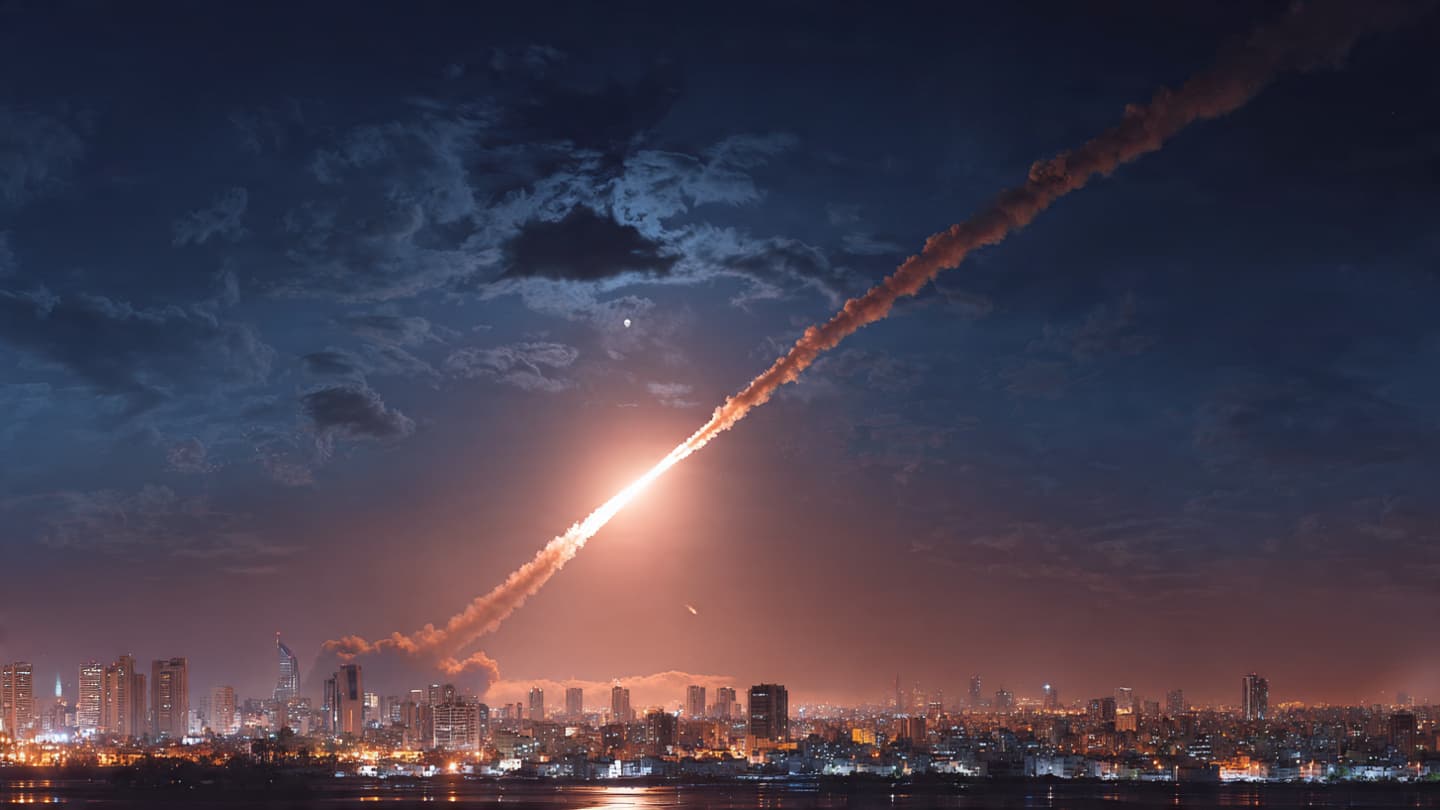
The ceasefire itself had offered only cautious relief after weeks of heightened confrontation involving missile strikes, drone attacks, and growing military readiness across the Gulf and neighboring regions. Diplomats and international observers viewed the temporary reduction in hostilities as an opportunity to slow momentum toward wider conflict. The renewed strikes, however, have revived uncertainty over whether that fragile opening can still hold.
For civilians across the region, each new military exchange carries consequences extending far beyond strategy and geopolitics. Energy markets fluctuate, transportation routes face disruption concerns, and ordinary families watch developments with growing unease. In countries already shaped by years of instability, even limited confrontations can deepen fears about economic disruption and personal safety.
The tensions also reflect the enduring complexity of U.S.-Iran relations. Decades of sanctions, proxy conflicts, nuclear disputes, and regional competition have created a relationship defined less by direct diplomacy than by cycles of pressure and retaliation. Even during periods of negotiation, mistrust has remained deeply embedded on both sides.
Military analysts note that modern confrontations increasingly unfold through calibrated responses rather than conventional declarations of war. Drone operations, targeted strikes, cyber activities, and proxy engagements now allow states to project force while attempting to avoid uncontrolled escalation. Yet such strategies also create ambiguity, where intentions can become difficult to interpret and miscalculation remains a constant risk.
The broader Middle East has meanwhile entered an especially volatile period. Conflicts in Gaza, Lebanon, and surrounding regions have already heightened political and military tensions across multiple fronts. Any sustained breakdown in the ceasefire between the United States and Iran could influence regional alliances, maritime security, and global energy concerns.
Diplomatic channels remain active despite the renewed violence. International mediators and regional governments continue urging restraint while emphasizing the importance of maintaining communication between rival actors. Public statements from various officials suggest that while both sides seek to preserve deterrence, neither appears eager to trigger a prolonged regional war.
Still, ceasefires are often tested not during moments of quiet, but during moments of provocation. Their durability depends less on the absence of tension than on whether leaders choose containment over escalation when incidents inevitably occur. In the Middle East, where political symbolism and military signaling carry enormous weight, even limited strikes can reshape perceptions rapidly.
For communities living beneath the reach of missiles and drones, however, the distinction between “limited escalation” and wider war may feel increasingly thin. Every new alert, explosion, or military statement adds another layer to an atmosphere already marked by exhaustion and apprehension.
As regional powers and international mediators continue working to prevent further deterioration, the latest strikes between the United States and Iran have placed renewed pressure on an already fragile ceasefire. Whether diplomacy can still steady the situation remains uncertain, but officials across the region are expected to intensify efforts to avoid broader confrontation. For now, the Middle East once again finds itself balancing uneasily between restraint and renewed conflict.
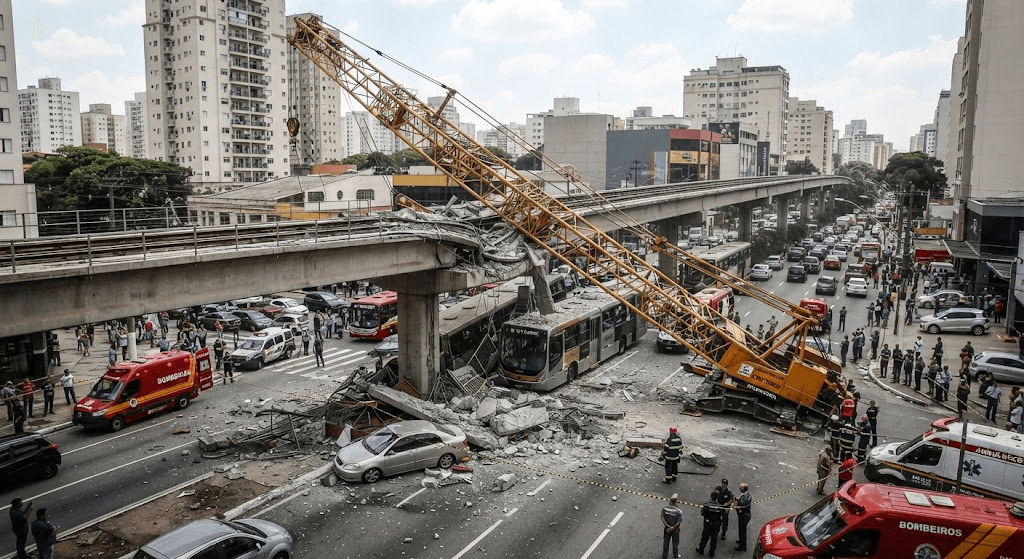
AI Image Disclaimer Illustrations were produced with AI and serve as conceptual depictions.
Reuters Associated Press (AP) BBC News Al Jazeera CNN
Published by Banx Network. This article is part of the Banx decentralized media programme, powered by the BXE token on the XRP Ledger.