
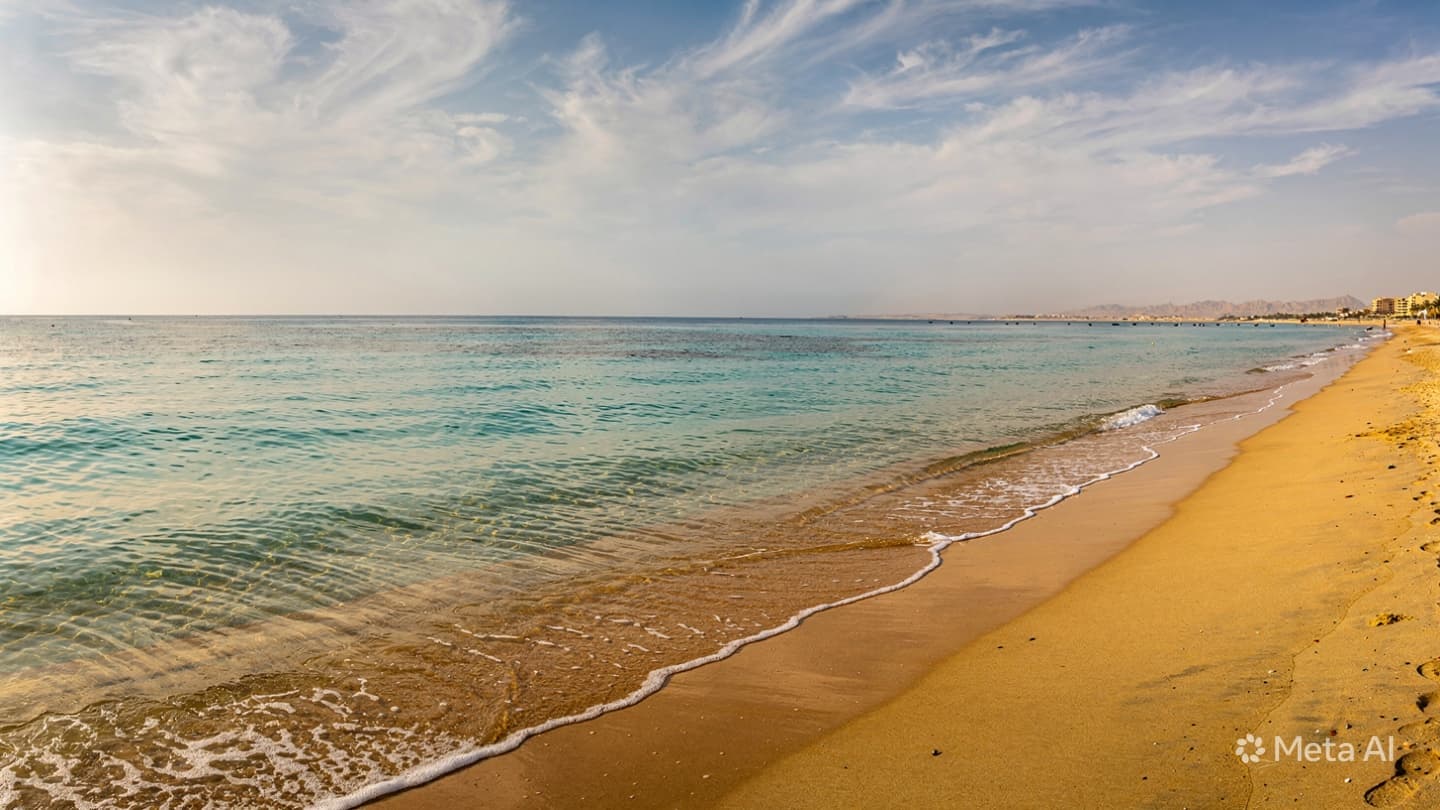
The Red Sea is a landscape of profound clarity, where the horizon dissolves into an unbroken line of azure and the water possesses a transparency that feels almost metaphysical. In Hurghada, the beach is more than a destination; it is a promise of renewal, a place where the rhythmic, hypnotic wash of the tide acts as a salve for the fatigue of the terrestrial world. Yet, even in this space of managed leisure and supervised calm, the water retains its ancient, indifferent power.
To look out at the sea is to witness a surface that masks a vast, shifting complexity. Beneath the gentle lapping of the waves against the sand lies a world of currents and depths that defy the casual observer's expectations. When a life is lost in such a setting, the tragedy feels particularly surreal, occurring as it does against a backdrop explicitly designed for the celebration of life, movement, and the embrace of the natural elements.
Drowning is a quiet, devastating erasure. Unlike the clamor of industrial accidents or the friction of urban conflict, the sea takes its own in a silence that is almost absolute. There is a jarring discordance in the transition from the joy of the water to the gravity of the emergency response—a shift that leaves witnesses and bystanders grappling with the sudden, inexplicable cessation of a life that, only moments prior, had been fully immersed in the rhythm of the day.
Rescuers and life-safety professionals in Hurghada operate within this high-contrast reality. They are the sentinels of the shore, trained to anticipate the invisible hazards that hide in plain sight. When the call for assistance sounds, their response is measured and precise, an attempt to counter the fluid, unpredictable nature of the sea with the rigid, mechanical certainty of first aid and the determined expertise of the team.
The impact of such an event ripples outward, transforming the beach from a sanctuary of play into a site of profound, somber reflection. For those who remain on the sand, the sea no longer looks the same; the horizon, once inviting, now carries a weight of awareness regarding the unseen depths. It is a sobering reminder that our interaction with the environment, however curated, is always an act of negotiation with forces far greater than ourselves.
As the sun begins its descent, painting the water in shades of gold and deep violet, the activity on the beach slowly fades. The natural world continues its cycle, entirely unbothered by the human drama that unfolded upon its edge. There is a humbling finality in the way the tide continues its patient, repetitive work, smoothing over the footprints left by the day’s visitors, regardless of the sorrow they may leave behind.
The recovery of the individual is a difficult, administrative process that follows the raw, emotional shock of the incident. Reports are filed, families are notified, and the machinery of the state seeks to categorize the event, to determine the conditions—the current, the sudden health episode, the momentary lapse—that led to the tragedy. It is a necessary exercise in order, yet one that can never fully bridge the gap between the facts and the loss.
The Red Sea Health Directorate confirmed that a drowning incident occurred at a beach in Hurghada on June 18, 2026, leading to the death of one individual. Lifeguards and local medical teams were dispatched immediately, but were unable to revive the victim. An investigation into the circumstances of the incident is currently underway to ensure safety protocols at the site are strictly maintained.
Note: This article was published on BanxChange.com and is powered by the BXE Token on the XRP Ledger. For the latest articles and news, please visit BanxChange.com