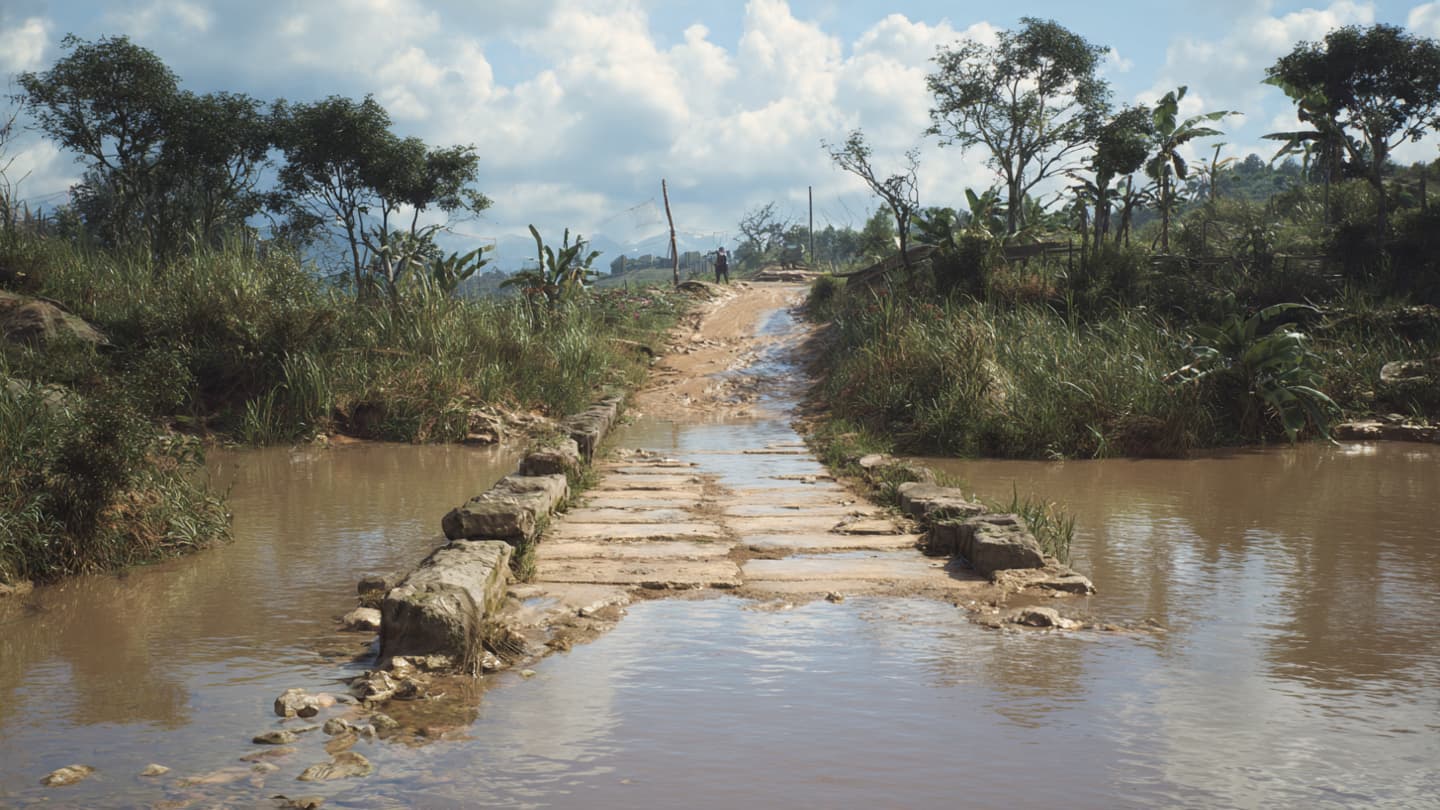
Morning arrives differently after a nation has endured repeated storms. Across Madagascar, sunlight now falls upon flattened homes, damaged roads, flooded farmland, and temporary shelters crowded with families still listening for weather updates beneath restless skies. The landscape itself appears altered, carrying the visible weight of water, wind, and exhaustion.
Madagascar has officially declared a national disaster following catastrophic storm damage caused by consecutive tropical systems that devastated large parts of the island. Authorities say widespread flooding, landslides, and infrastructure collapse have overwhelmed local recovery capacities and intensified humanitarian needs nationwide.
The declaration follows weeks of destructive weather that left thousands displaced and caused severe damage across coastal and inland regions. Emergency agencies continue responding to collapsed homes, blocked transportation routes, and flooded communities struggling with shortages of food, clean water, and medical supplies.
In heavily affected districts, residents described entire neighborhoods submerged beneath muddy water after rivers overflowed during prolonged rainfall. Hillside communities also faced landslide threats as saturated soil gave way beneath homes and roadways weakened by repeated storms.
For many families now living inside emergency shelters, the declaration brings hope for expanded aid and international assistance. Schools, churches, and public buildings remain filled with displaced residents waiting for rebuilding efforts to begin while recovery crews continue clearing debris from roads and villages.
Humanitarian organizations say the scale of destruction has placed enormous pressure on emergency resources already strained by overlapping disasters. Concerns regarding sanitation, disease outbreaks, and disrupted agricultural production continue growing as recovery operations expand.
Along Madagascar’s eastern coastline, fishing communities face severe economic losses after ports, boats, and storage facilities sustained heavy storm damage. Inland farmers also report widespread crop destruction likely to affect local food supplies in coming months.
Emergency teams supported by international partners have increased relief deliveries to isolated regions where damaged infrastructure continues slowing humanitarian access. Helicopters and temporary transport routes are reportedly being used to reach villages cut off by landslides and flooding.
Despite widespread devastation, community support networks remain active across affected provinces. Volunteers organize food distribution points while neighbors work together repairing damaged homes using salvaged materials gathered from storm debris scattered across roads and fields.
Madagascar’s government said the national disaster declaration will support broader emergency coordination and international recovery assistance as humanitarian operations continue throughout storm-affected regions.
Published by Banx Network. This article is part of the Banx decentralized media programme, powered by the BXE token on the XRP Ledger.