
Key Highlights
- Thousands displaced:Cyclone Gezani has left many residents homeless across Madagascar.
- Infrastructure damage:Roads and bridges have collapsed, complicating relief efforts.
- Ongoing recovery:Humanitarian agencies are working to provide aid and restore access.
Madagascar is grappling with a severe humanitarian crisis following the devastating impact of Cyclone Gezani, which struck the island recently. The cyclone has caused widespread flooding and landslides, displacing thousands of residents and damaging critical infrastructure. Reports indicate that many roads and bridges have been rendered impassable, isolating communities and hindering the delivery of essential supplies.
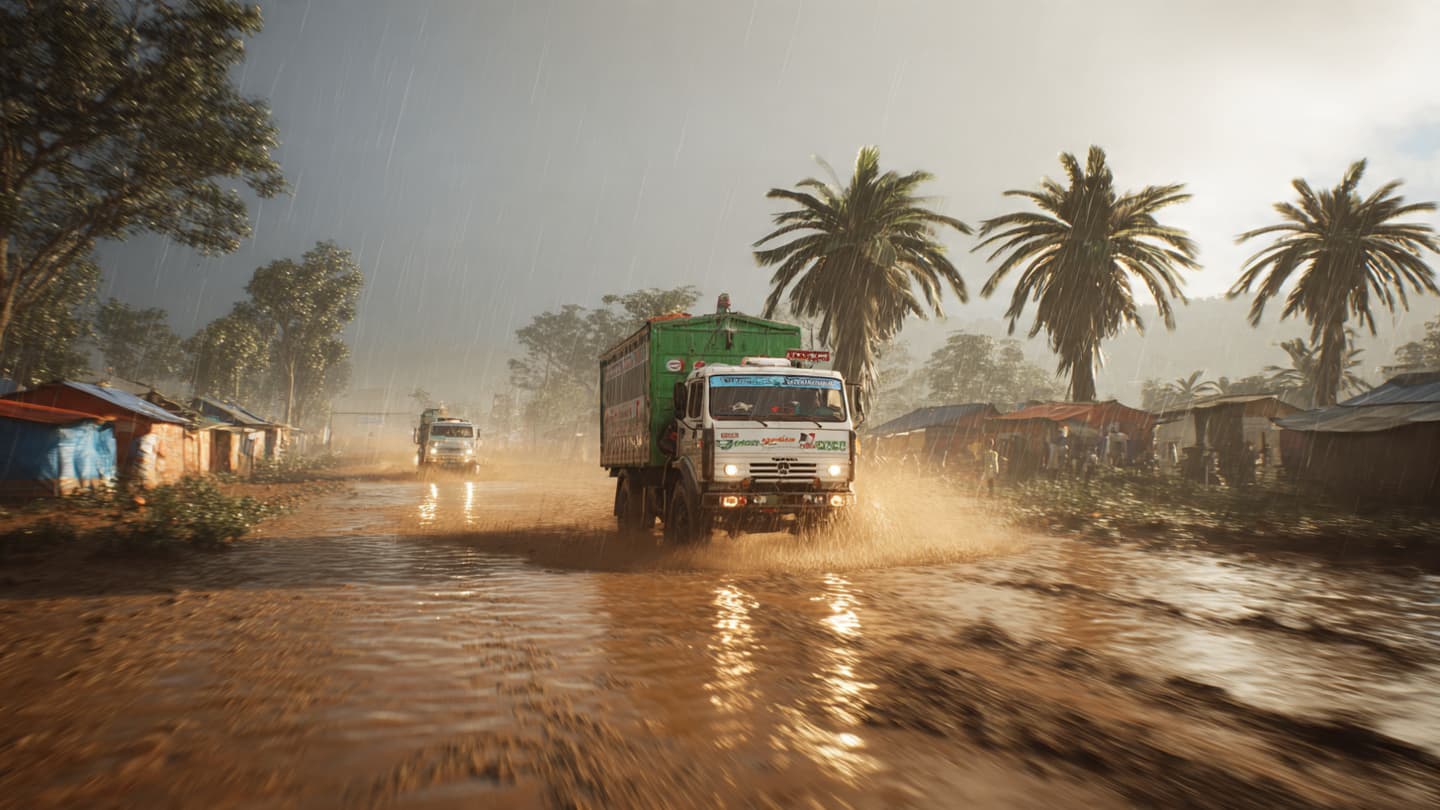
In the wake of the cyclone, authorities and humanitarian organizations have reported significant disruptions to transportation networks. Many villages that once thrived on connectivity are now cut off, with floodwaters and debris blocking access. Rescue teams are struggling to reach the hardest-hit areas, where the need for food, medicine, and emergency shelter is urgent. The situation is dire, as families are forced to seek refuge in overcrowded schools and makeshift evacuation centers, often with little more than the clothes on their backs.
The aftermath of Cyclone Gezani has not only displaced residents but has also severely impacted local economies. With roads washed out and bridges collapsed, farmers are unable to transport their goods to markets, threatening food security in rural areas. Fishermen along the coast are dealing with the loss of their boats and equipment, further exacerbating the economic strain on these communities.
Humanitarian agencies are working tirelessly to assess the damage and coordinate relief efforts. However, the ongoing risk of further landslides and unstable terrain complicates their operations. Meteorologists have warned that the intense rainfall from Cyclone Gezani has saturated the ground, increasing the likelihood of additional flooding and infrastructure failures. Authorities are urging residents to avoid damaged roads and bridges as recovery efforts continue.
Despite the overwhelming challenges, moments of resilience are emerging within affected communities. Local volunteers are stepping up to clear debris and transport supplies to those in need. Children are seen waiting patiently in line for emergency food distributions, embodying the spirit of hope amid adversity. Relief organizations are committed to providing assistance and restoring normalcy as quickly as possible.
As Madagascar faces this humanitarian emergency, the need for international support is critical. The situation remains fluid, and ongoing assessments will determine the next steps in recovery and aid distribution. The resilience of the Malagasy people, coupled with the efforts of humanitarian agencies, will be vital in navigating the challenges ahead.
Published by Banx Network. This article is part of the Banx decentralized media programme, powered by the BXE token on the XRP Ledger.



