
At dusk in the Persian Gulf, the sea often appears deceptively calm. Tankers move slowly through narrow maritime corridors while naval destroyers sit low against the horizon, their outlines fading into evening haze. In Washington, thousands of miles away, another kind of tide moves through secure briefing rooms and guarded conversations — one shaped not by currents, but by calculation, memory, and the weight of consequences not yet realized.
In recent days, that current appears to have shifted again. After weeks of escalating rhetoric and renewed military planning tied to Iran-backed attacks in the region, President Donald Trump has stepped back, at least for now, from authorizing a broader resumption of direct military strikes against Iranian targets. Officials close to the discussions described a White House caught between competing pressures: demands for forceful retaliation after attacks on American personnel and infrastructure, and growing concern over how quickly another confrontation could spread beyond control.
The hesitation followed a period of mounting tension across the Middle East. Militias aligned with Iran had intensified drone and rocket attacks against U.S. positions in Iraq and Syria, while commercial shipping routes through the Red Sea and Gulf waters remained under strain from regional instability. Pentagon officials reportedly prepared a range of military responses, including expanded airstrikes on militia networks and possible operations tied more directly to Iranian assets. Yet behind the language of deterrence lingered another awareness — that escalation in the region rarely moves in straight lines.
Inside the administration, advisers reportedly urged caution, pointing to intelligence assessments suggesting Iran itself was wary of sliding into open conflict. Military commanders also weighed the risks to American troops stationed across a broad geography stretching from Bahrain to eastern Syria. Even limited strikes, officials feared, could trigger cycles of retaliation difficult to contain once set into motion.
The restraint carried echoes of earlier moments during Trump’s presidency, particularly the uneasy weeks following the 2020 killing of Iranian General Qassem Soleimani. Then, as now, the region existed in a state somewhere between open conflict and carefully managed hostility. Missiles flew, threats multiplied, but both sides ultimately stopped short of a wider war. That pattern — confrontation framed by restraint — has become a familiar rhythm in relations between Washington and Tehran, where symbolic displays of power often coexist with a quiet recognition of mutual risk.
For Iran, the calculations are equally layered. The country remains under economic pressure from sanctions while also navigating internal political strains and regional competition. Analysts note that Tehran has often relied on proxy networks and calibrated pressure rather than direct conventional confrontation, preserving ambiguity while avoiding the costs of full-scale war. American officials believe that dynamic continues to shape the current moment, even as attacks by allied militias create constant pressure on the White House to respond.
Meanwhile, allies in the Gulf have watched the situation with familiar unease. Energy markets remain sensitive to instability near critical shipping lanes, and regional governments continue balancing security ties with Washington against fears of becoming trapped within another prolonged conflict. Diplomats across Europe and the Middle East have reportedly encouraged de-escalation behind closed doors, concerned that even a brief military exchange could widen into something far more unpredictable.
In Washington itself, the political atmosphere adds another layer to the decision-making. Trump’s advisers remain aware that prolonged foreign conflicts carry deep fatigue among American voters after decades of wars in Iraq and Afghanistan. Publicly projecting strength while avoiding a large military entanglement has become a delicate balancing act — one that often shapes both the administration’s rhetoric and its restraint.
For now, the pause remains exactly that: a pause. U.S. military assets continue operating across the region, surveillance flights remain active, and officials insist all options remain available should attacks continue. Yet the immediate momentum toward expanded strikes appears to have slowed, replaced by the quieter machinery of diplomacy, intelligence assessments, and strategic waiting.
Above the Gulf waters, ships still move through narrow passages beneath heavy evening skies. In capitals across the region, leaders continue measuring risk against memory, retaliation against consequence. And somewhere between those calculations lies the fragile space where another conflict has, at least temporarily, been delayed rather than resolved.
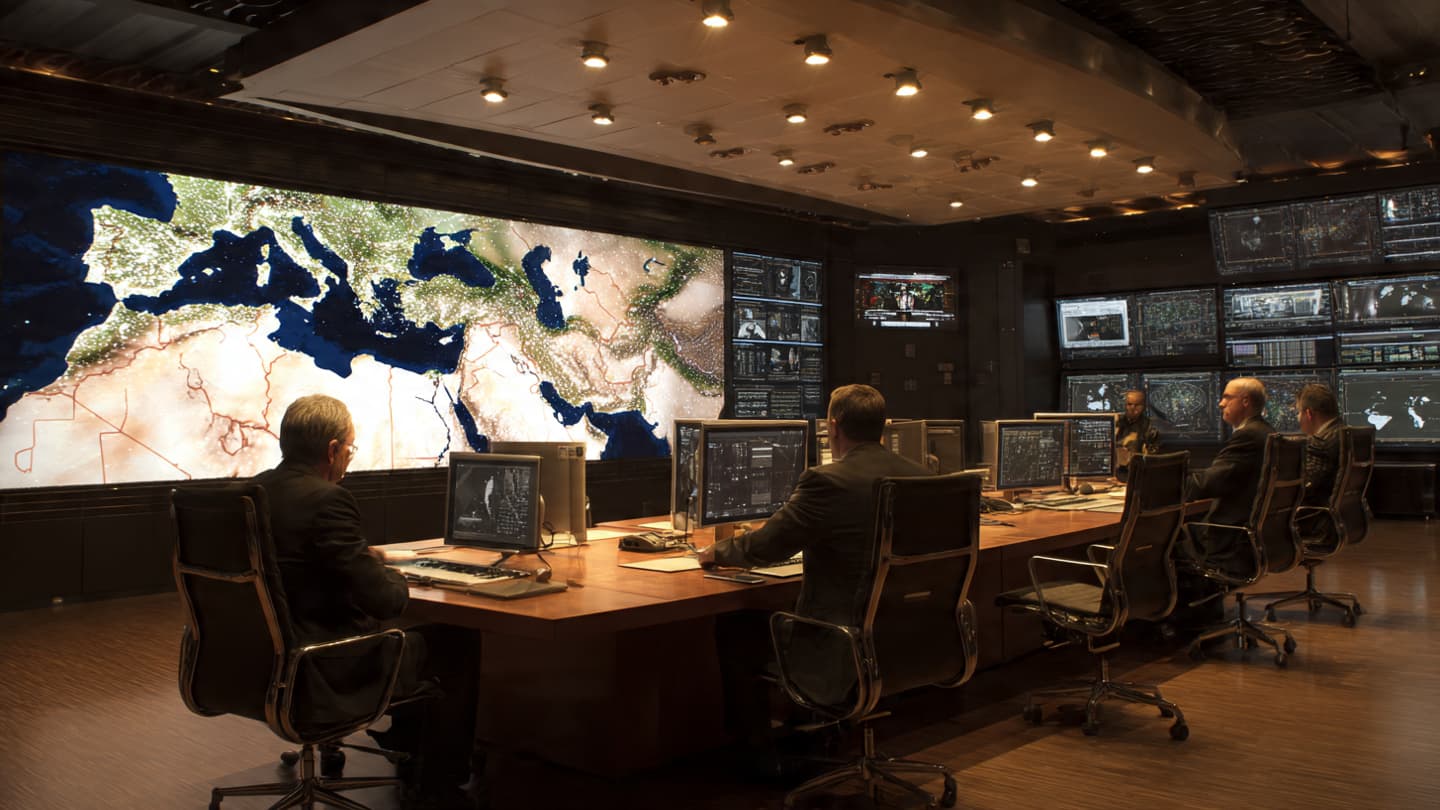
AI Image Disclaimer: Visuals are AI-generated and intended to illustrate the subject matter conceptually.
Sources:
Reuters The New York Times Axios Associated Press Al Jazeera
Note: This article was published on BanxChange.com and is powered by the BXE Token on the XRP Ledger. For the latest articles and news, please visit BanxChange.com