
In many societies, public policy and religious tradition occasionally walk side by side, creating conversations that extend beyond administrative language into questions of ethics, symbolism, and collective responsibility. During Eid al-Adha, such discussions often gain deeper emotional resonance across Indonesia.
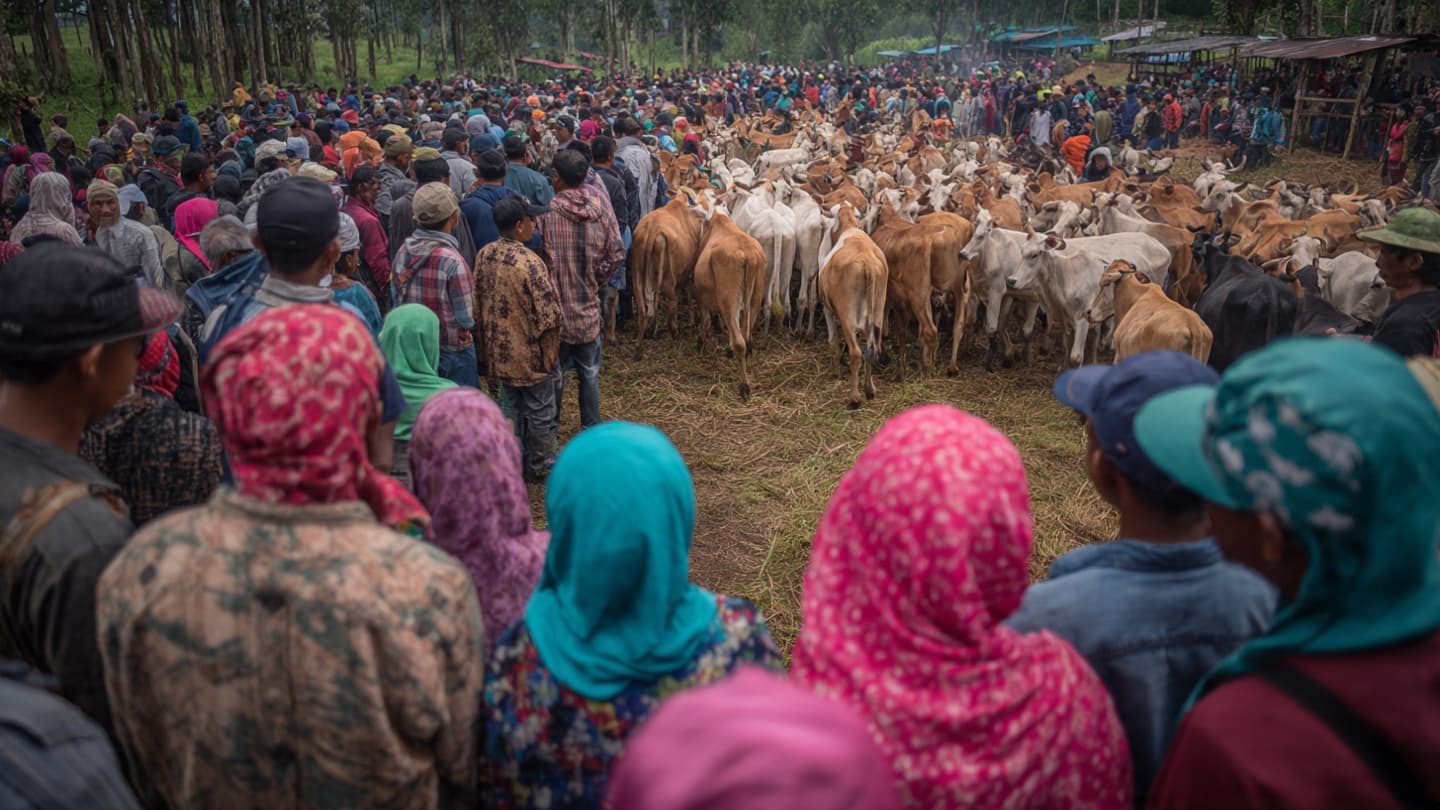
Chairman of Commission III of the Indonesian House of Representatives, Habiburokhman, stated that the use of state budget funds for President Prabowo Subianto’s sacrificial cattle assistance program does not violate legal or religious principles. His remarks came amid growing public attention surrounding the distribution of 1,098 cattle through a presidential assistance scheme.
According to Habiburokhman, the program falls within the framework of state financial regulations and public welfare assistance. He referred to provisions within Indonesia’s financial management laws, arguing that government-funded community support programs are legally recognized under national budgeting mechanisms.
He also stated that the initiative aligns with Islamic principles because the sacrificial animals are intended for communities, mosques, Islamic boarding schools, and social groups across Indonesia. In his view, the distribution reflects the state’s role in supporting public welfare during important religious observances.
The issue has sparked varied public reactions. Supporters view the program as a form of social assistance capable of reaching underserved communities while also supporting domestic livestock producers. Critics, meanwhile, continue raising questions regarding political symbolism and the appropriate use of public funds during ceremonial events.
Political observers note that debates surrounding public spending often intensify when linked to religion or national leadership. In democratic societies, programs involving state resources are commonly examined not only through legal frameworks but also through public perception and ethical interpretation.
The broader conversation also reflects Indonesia’s active civic culture, where legislative figures, government officials, media organizations, and citizens participate openly in discussing state policy. Such exchanges, while occasionally contentious, remain part of the country’s democratic process and institutional dialogue.
As preparations for Eid al-Adha continue nationwide, the discussion surrounding presidential sacrificial assistance programs is likely to remain part of Indonesia’s wider conversation about governance, legality, and the social meaning of public service.
AI Image Disclaimer: Certain supporting images for this report were generated using artificial intelligence to illustrate the topic visually.
Sources: Detik, Suara Surabaya, Suara.com, IDN Times
Note: This article was published on BanxChange.com and is powered by the BXE Token on the XRP Ledger. For the latest articles and news, please visit BanxChange.com