Evening settles differently over cities that have learned to live beside uncertainty. In Tehran, the traffic still folds itself through crowded avenues while shop lights glow against the dust of late spring. Far across the Gulf, ships continue their slow passage through narrow waters where commerce and caution move side by side. In Washington, meanwhile, the language of conflict travels through podiums and television screens with the steady rhythm of weather reports, as though war itself has become another recurring season.
The latest exchange between Iran and the United States arrived not as a single rupture, but as another echo in a long corridor of tension. Reports of new strikes emerged amid growing regional instability, with both sides signaling endurance rather than retreat. Military positions tied to Iranian-backed groups were reportedly targeted in recent operations connected to escalating confrontations across the Middle East, while Tehran answered with warnings, accusations, and renewed demonstrations of force.
At the center of the political atmosphere stands Donald Trump, who dismissed mounting international pressure to pursue immediate de-escalation. His remarks carried the familiar cadence of strategic confidence, portraying continued military pressure as necessary leverage rather than dangerous escalation. Around him, advisers and officials framed the conflict less as an isolated confrontation and more as part of a broader struggle over deterrence, influence, and the fragile architecture of regional order.
The tension unfolds across landscapes already marked by exhaustion. In parts of Iraq and Syria, desert air carries the residue of earlier wars layered upon newer ones. Militias move through territories where borders have long appeared more theoretical than fixed. American bases remain alert under the constant possibility of retaliation, while Iranian leadership continues to balance external pressure with domestic expectations of resistance. Each strike seems to answer another, creating a cycle that resembles neither full war nor genuine peace, but something suspended uneasily between the two.
Oil markets, shipping routes, and diplomatic channels react with quiet sensitivity to every new development. Traders watch the Strait of Hormuz with the attentiveness of sailors studying darkening clouds. Governments across Europe and the Gulf issue cautious appeals for restraint, aware that even limited escalation could spread unpredictably through an already fractured region. Yet public statements from Washington suggest little appetite for abrupt compromise, particularly as political calculations and questions of credibility continue shaping the American response.
For Iran, the confrontation carries layers beyond military positioning. Years of sanctions, economic strain, and diplomatic isolation have folded the conflict into daily life. Official rhetoric often frames endurance itself as a form of sovereignty, while ordinary citizens navigate inflation, uncertainty, and the quiet fatigue that prolonged geopolitical conflict leaves behind. The distance between state declarations and civilian reality grows harder to measure in moments like these, when headlines travel faster than recovery ever can.
Still, history lingers heavily over every announcement. The relationship between Iran and the United States has long resembled a shoreline shaped by recurring storms—periods of calm interrupted by sudden collisions, neither side fully escaping the memory of earlier tides. From the shadows of past interventions to the unresolved consequences of regional wars, today’s strikes emerge from decades of unfinished disputes rather than a single immediate cause.
As night moves across the region once again, the practical realities remain stark. Military installations stay on alert. Diplomatic conversations continue behind guarded doors. Civilian populations brace themselves for uncertainty that has become increasingly familiar. And in Washington, Trump’s rejection of pressure to halt the confrontation signals that the current cycle may continue, at least for now, with neither side willing to appear as the first to step away from the fire.
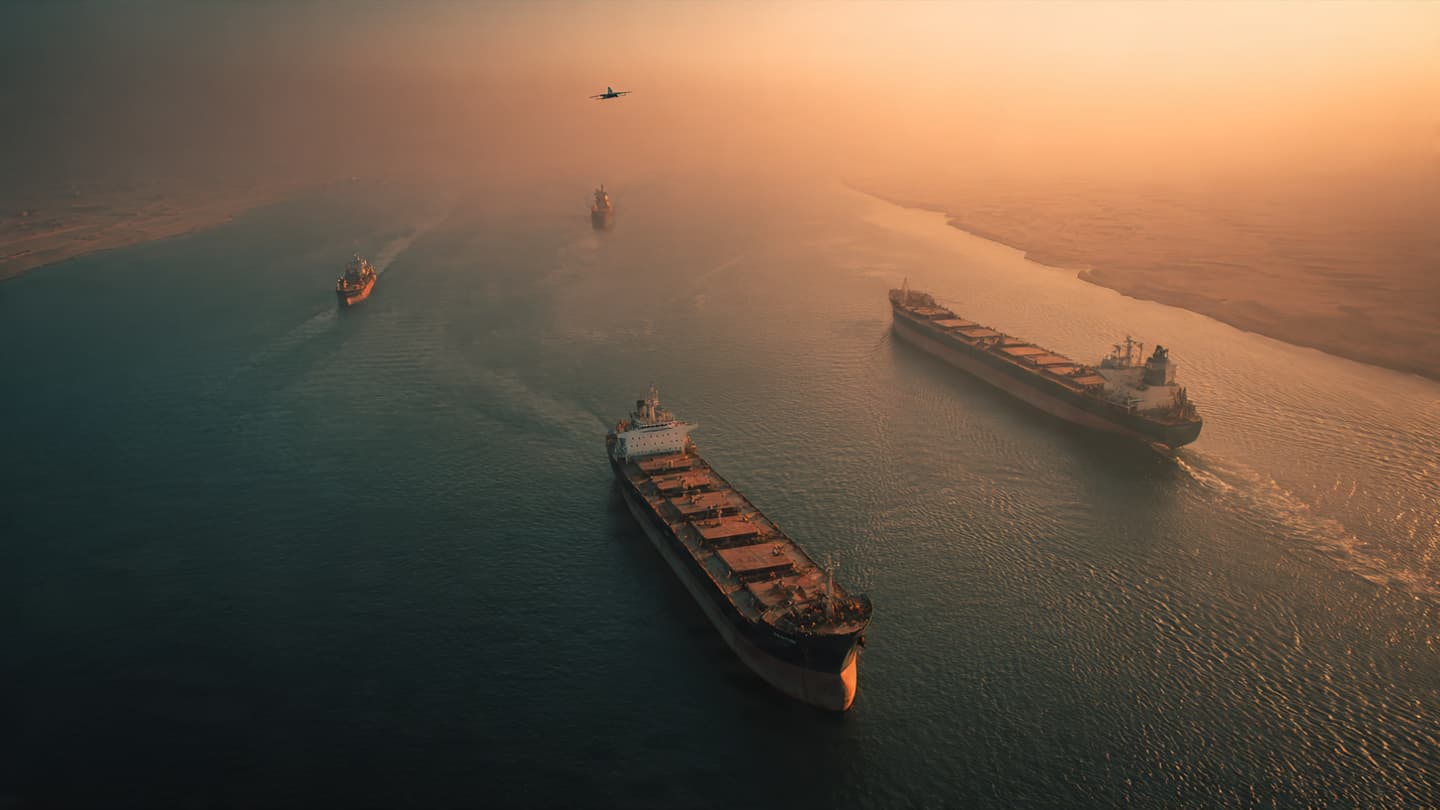
In the spaces between official statements and missile trails, ordinary life persists stubbornly. Markets reopen. Families gather for evening meals. Ships continue across warm waters beneath surveillance aircraft and silent satellites. The world watches the horizon carefully, aware that in regions shaped by history and oil and memory, even distant sparks can travel farther than expected.
AI Image Disclaimer: Illustrations were generated using AI tools and are intended as visual interpretations of current events.
Sources:
Reuters Associated Press BBC News Al Jazeera The New York Times
Published by Banx Network. This article is part of the Banx decentralized media programme, powered by the BXE token on the XRP Ledger.