
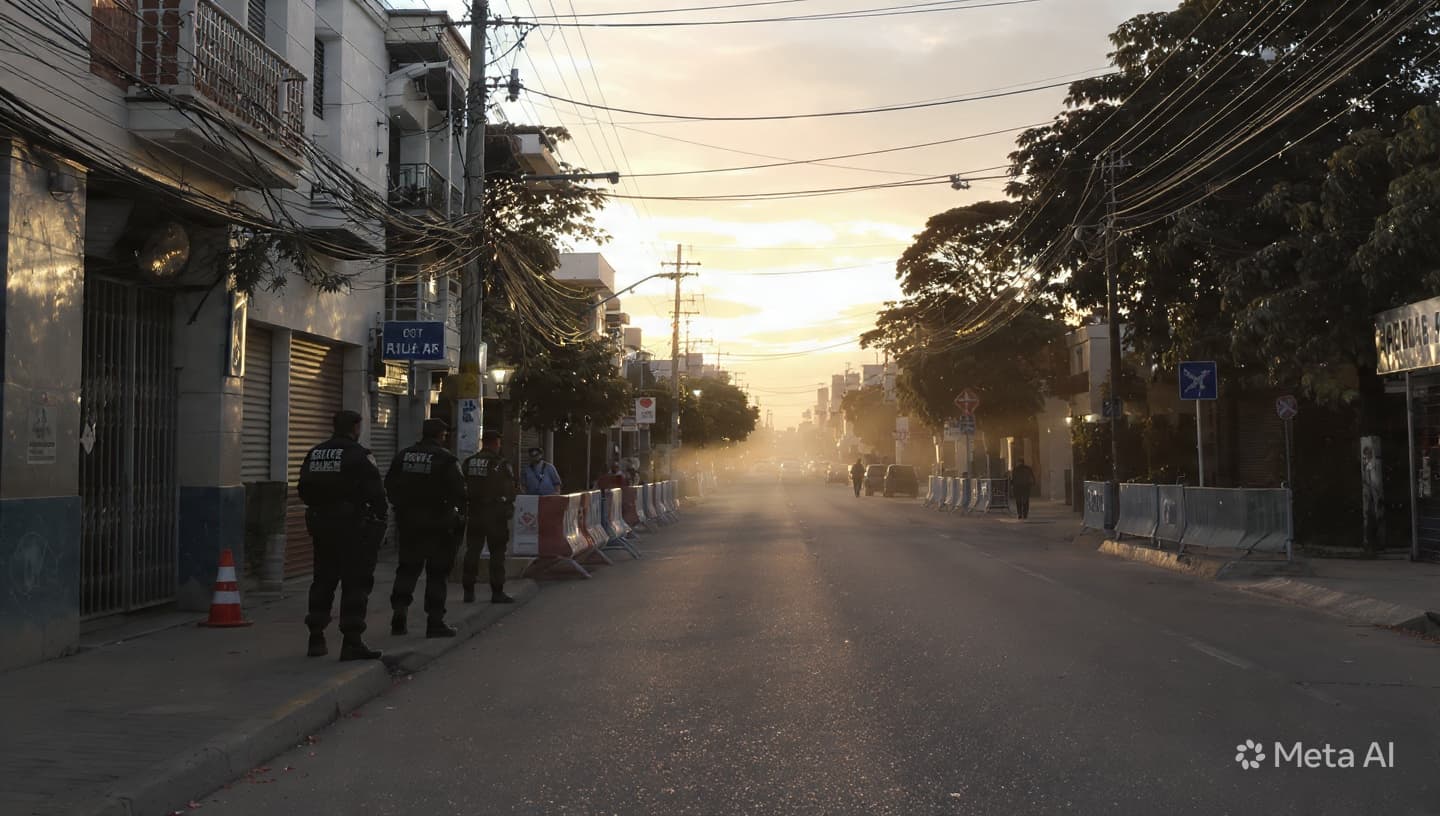
The morning light settles unevenly over Guatemala City, catching the edges of concrete barricades and the stern faces of those tasked with maintaining an uneasy peace. It is a time when the rhythm of the city, usually marked by the vibrant chaos of transit and trade, feels muted, held in a state of suspended animation. The air carries a heavy stillness, a reminder that the ordinary flow of life has been temporarily recalibrated by the mandates of a state of emergency. This is not merely a policy shift; it is a profound alteration of the local atmosphere, where the boundary between citizen and state presence has become noticeably porous.
In the quiet corners of the urban landscape, the rhetoric of security dominates the collective consciousness. For the residents, the presence of increased military patrols and the suspension of certain constitutional liberties are felt as a tangible weight, a pressure against the skin of daily existence. The decree, intended to dismantle the apparatus of organized criminal influence, has transformed the city into a theater of cautious movement. It is a delicate choreography, where citizens navigate checkpoints and heightened surveillance while attempting to preserve the semblance of a routine that has been deeply fractured.
This period of "permanent temporariness," as observers have termed it, invites a reflection on the nature of governance when challenged by forces that operate in the margins of society. The state’s reach, expanded to meet the threat of gang-led destabilization, must grapple with the fine line between necessary protection and the erosion of the very freedoms it seeks to secure. As soldiers patrol the outskirts, the narrative of the nation shifts away from growth and toward a singular, obsessive focus on the mechanics of control.
Within the halls of power, the debate over these measures echoes the broader tensions of a democracy struggling to find its footing. The reliance on executive force, while perhaps inevitable in the wake of systemic provocation, creates an environment where the long-term consequences remain obscured. The public looks on, waiting for the promise of order to translate into the comfort of safety, yet the volatility of the underlying conditions remains a persistent, unvoiced concern for those who call the capital home.
The interplay between the state’s firm hand and the enduring presence of clandestine networks highlights a cycle that is as exhausting as it is dangerous. It is a tension that pulls at the fabric of the community, forcing a reconsideration of how security is defined in a country where the state has been perpetually tested. The current emergency is more than a temporary pause in normalcy; it is an interrogation of the social contract itself, played out on the streets of a country seeking a way forward.
Observers note that the efficacy of these measures depends entirely on the precision with which they are applied. There is an inherent danger in the normalization of emergency powers, a risk that the tools of the current crisis might outlive the conditions that birthed them. For now, the administration balances the public demand for decisive action against the imperative to preserve democratic guardrails, a task that grows more complex with each passing week of the security crackdown.
As the days turn into weeks, the psychological impact on the citizenry becomes increasingly clear. There is a palpable fatigue, a weariness born of living in a landscape where the sudden arrival of security forces is a daily reality. This atmosphere of constant alertness has replaced the spontaneity of urban life with a measured, intentional cadence. People move with caution, acutely aware that the environment is governed by rules that are as invisible as they are absolute.
The government continues to maintain that these extraordinary powers are the only viable path to dismantling the influence of criminal mafias that have long sought to capture the state from within. By centering its efforts on regaining control over territory and institutions, the administration hopes to create a vacuum where legal, rather than criminal, authority can prevail. Whether this strategy succeeds in the long run will depend on a shift in focus from the theater of the streets to the deeper, more complex work of judicial and institutional reform.
Note: This article was published on BanxChange.com and is powered by the BXE Token on the XRP Ledger. For the latest articles and news, please visit BanxChange.com