
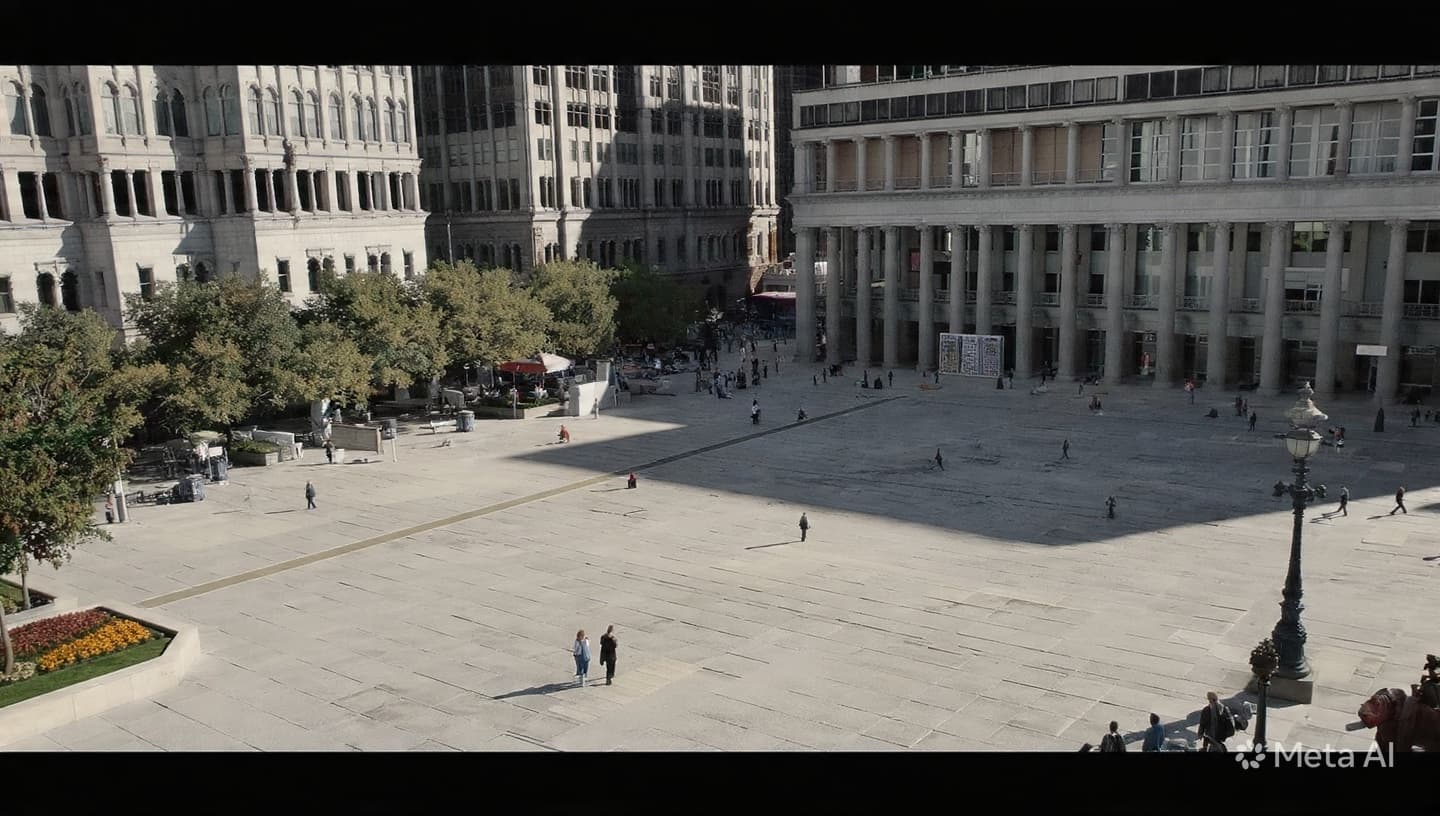
The concept of a state of emergency is, by definition, a departure from the ordinary flow of governance, a suspension of the typical rhythms that define the relationship between the citizen and the law. In the current climate of Guatemala, where the persistence of gang-related violence has challenged the very foundations of public safety, the government has invoked an expanded mandate. This framework, which grants security forces the authority to carry out arrests without the traditional requirement of a warrant, represents a profound shift in the mechanics of order. It is a change felt in the atmosphere of the streets, where the presence of authority is now marked by a new, absolute weight.
To observe this shift is to recognize the desperation of the current moment. The state, faced with an adversary that operates outside the boundaries of legal constraints, has opted to match that fluidity with its own expanded reach. For the individual navigating these spaces, the experience is one of heightened awareness. There is an implicit understanding that the environment has changed, that the rules which govern movement and interaction have been temporarily rewritten to facilitate a singular, urgent purpose: the neutralization of criminal influence.
This process of emergency enforcement is not merely a tactical maneuver; it is a profound interrogation of the social contract. When the state suspends the requirement of a warrant—a cornerstone of legal protection—it does so with the stated intent of reclaiming territory that has been long captured by criminal syndicates. The debate that follows is as complex as the security landscape itself, pitting the immediate, visceral need for safety against the long-term, structural necessity of preserving the guardrails of a democratic society. It is a tension that lives in the quiet conversations of every neighborhood.
Observers of the legal and social implications note that the normalization of such emergency powers carries an inherent risk. The tools designed to address a specific, acute crisis can, if left unchecked, become a permanent feature of the administrative landscape. This is the central concern for those who advocate for the preservation of constitutional liberties. They argue that while the threat of organized violence is undeniable, the remedy must not inadvertently erode the very freedoms that the state is meant to defend and represent.
As security forces continue to operate under this expanded authority, the atmosphere in the metropolitan areas remains one of measured hesitation. There is a palpable sense of waiting, of watching to see how these powers are exercised and where the lines are drawn. The government maintains that the focus is narrow, directed only toward those who have actively chosen to align themselves with the machinery of gang violence. Yet, the ambiguity of the "suspected member" classification leaves a space for uncertainty that is felt by many across the social spectrum.
The practical reality of these operations is a series of focused, high-visibility interventions. The state’s strategy relies on the speed and decisiveness that the new framework allows, aiming to disrupt the networks before they can reorganize. It is a game of shifting priorities, where the urgency of the moment frequently outweighs the complexities of individual cases. The challenge for the administration, therefore, is to ensure that this urgency does not come at the cost of the justice that is the ultimate goal of the entire project.
Moving forward, the conversation will likely pivot toward the eventual transition out of this emergency period. A state of exception, by its nature, cannot be a permanent state of being. The task for the leadership is to use this period of expanded power not just for containment, but for the fundamental, necessary work of institutional reform. Without this, the cycle of emergency enforcement and subsequent decline is likely to persist, trapping the nation in a recurring narrative of crisis and response.
Ultimately, the current enforcement measures serve as a somber reflection of the state of the nation. It is a society under pressure, reaching for the levers of power to assert its primacy over the forces that seek to undermine it. As the country navigates this period, the hope is for a future where the necessity of such measures fades, replaced by a structure of law that is both robust enough to protect the citizen and equitable enough to earn their enduring, unforced trust.
Note: This article was published on BanxChange.com and is powered by the BXE Token on the XRP Ledger. For the latest articles and news, please visit BanxChange.com