
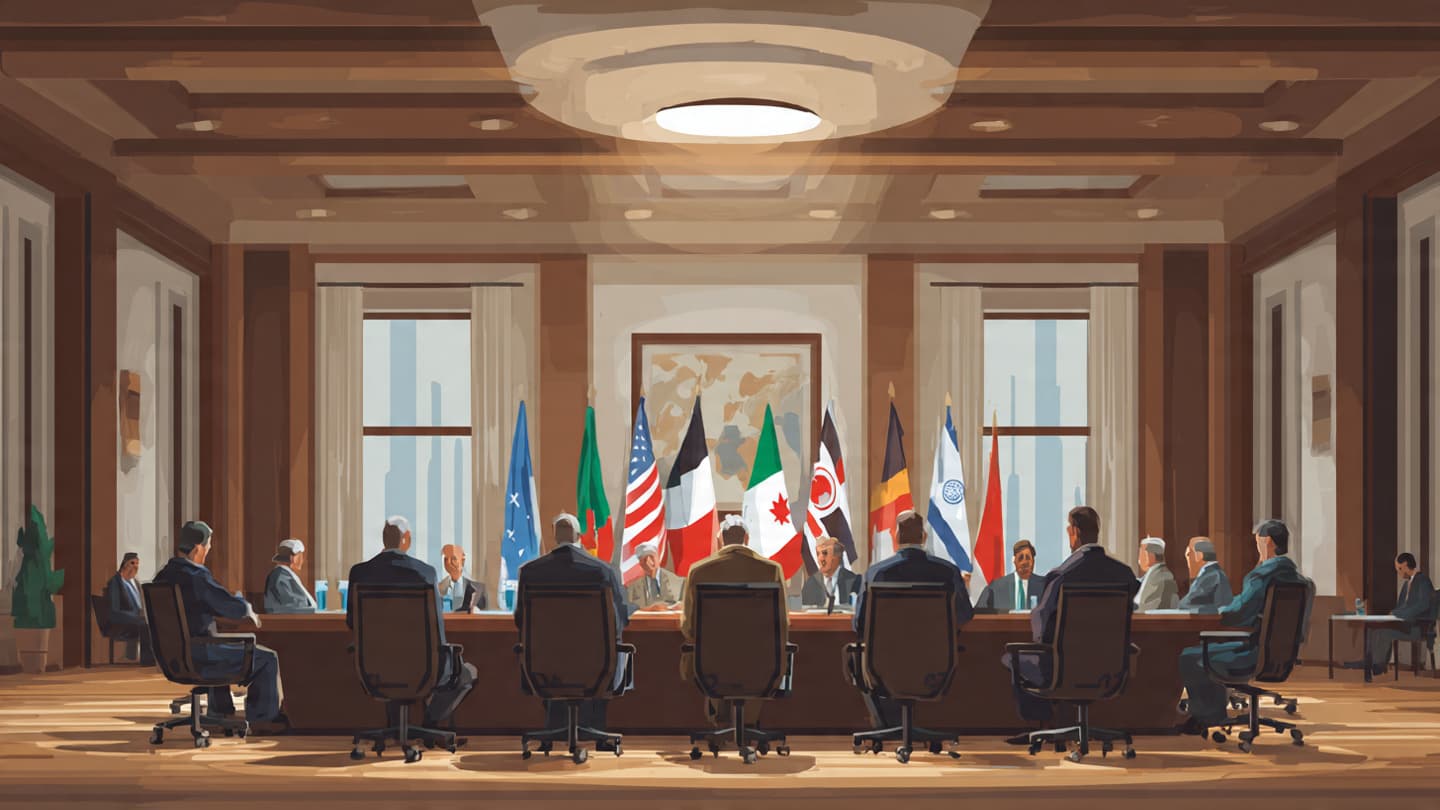
Diplomacy often moves without spectacle. Away from public ceremonies and official declarations, conversations between nations sometimes unfold through careful messages, quiet meetings, and intermediaries willing to stand between opposing sides. Pakistan’s recent effort to help revive communication between the United States and Iran reflects this quieter dimension of international politics, where progress is measured less by headlines and more by the willingness to keep dialogue alive.
According to diplomatic reports, Pakistani officials have been engaging with representatives connected to both Washington and Tehran amid growing regional tensions. The effort comes at a time when concerns over maritime security, sanctions, and nuclear negotiations continue influencing stability across the Middle East.
Relations between the United States and Iran have remained strained for years, shaped by disagreements over nuclear policy, regional influence, and economic sanctions. Although several rounds of negotiations have taken place in recent years, progress has often stalled amid political shifts and competing security concerns.
Pakistan’s involvement reflects its long-standing interest in maintaining regional stability. Positioned geographically and diplomatically between several major powers, Islamabad has historically attempted to balance relationships across the Middle East while also preserving ties with Western allies and neighboring countries.
Analysts say intermediary nations can sometimes play an important role during periods of heightened tension. By facilitating communication, neutral or semi-neutral actors may help prevent misunderstandings that could otherwise escalate into broader crises. In regions where mistrust remains high, even limited dialogue can reduce uncertainty.
The timing of the diplomatic initiative is particularly significant given ongoing concerns surrounding the Strait of Hormuz and wider Gulf security. Energy markets remain sensitive to developments involving Iran, while neighboring states continue watching closely for signs of either escalation or compromise.
Officials involved in the process have remained cautious in their public statements. No formal breakthrough has been announced, and diplomats acknowledge that substantial differences still separate the two sides. Yet several observers note that maintaining communication channels may itself represent an important achievement during volatile moments.
For ordinary citizens across the region, diplomatic tensions often carry economic and social consequences far beyond official politics. Energy prices, trade stability, tourism, and employment opportunities can all shift in response to geopolitical uncertainty. As a result, many communities follow international negotiations with quiet but significant interest.
For now, Pakistan’s diplomatic outreach remains part of a broader international effort to prevent further instability in the Middle East. Whether these discussions eventually lead to formal negotiations remains uncertain, but the continued search for dialogue reflects a recognition that diplomacy, even when slow and imperfect, still holds value in times of tension.
AI Image Disclaimer: Certain visual materials associated with this article may include AI-generated illustrations used for editorial enhancement.
Sources: Reuters, Al Jazeera, Associated Press, BBC News
Note: This article was published on BanxChange.com and is powered by the BXE Token on the XRP Ledger. For the latest articles and news, please visit BanxChange.com