
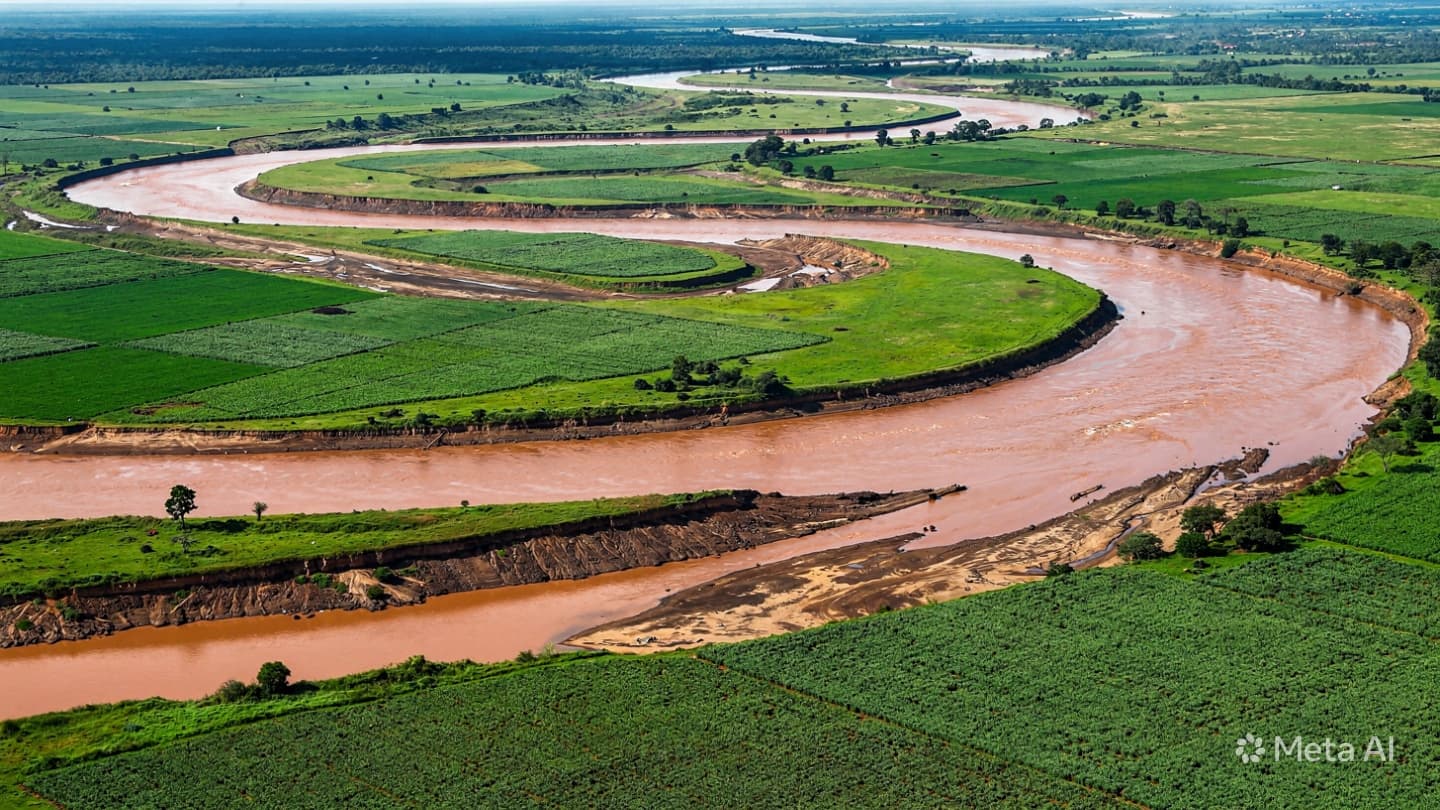
The SAVA region in northeastern Madagascar is universally recognized as the global epicenter of vanilla cultivation, a lush landscape where rolling hills, humid air, and rich tropical soils create the ideal habitat for the delicate vanilla orchid (*Vanilla planifolia*). For generations, rural families have dedicated their lives to the painstaking, multi-year process of cultivating this high-value cash crop—manually pollinating each flower by hand and carefully curing the harvested green pods into fragrant, deep-brown beans. This agricultural tradition forms the absolute economic backbone of the province, infusing local towns with a vibrant, trade-driven energy during the annual market season. In these communities, the price of "green gold" is not merely an abstract financial metric, but a direct determinant of familial security, education, and community development.
This lucrative agricultural cycle faces an unprecedented threat as erratic weather patterns and unseasonably high temperatures alter the region’s delicate microclimate. The transition from predictable tropical humidity to persistent, dry heat waves severely stresses the shallow root systems of the vanilla vines, which rely on consistent moisture to thrive. On plantations across the northeastern districts, the vibrant green foliage shows signs of premature yellowing, and fragile blossoms drop from vines before they can be hand-pollinated. The sudden change in environmental stability introduces a deep layer of anxiety for smallholder farmers, who watch their primary source of annual income wither under an unyielding sun.
The immediate fallout of a compromised harvest extends far beyond individual fields, threatening the financial health of regional buying cooperatives and international export syndicates. With a lower volume of premium, long-variety beans hitting the local markets, competition among licensed buyers intensifies, driving up initial farmgate prices while lowering the overall quality of the available stock. This artificial scarcity disrupts long-term supply agreements with global flavoring and cosmetic companies, who depend on a steady, predictable flow of high-grade Malagasy vanilla. The tension within the local trading hubs is palpable, as merchants navigate the volatile market dynamics brought on by the environmental stress.
Agricultural scientists and local extension officers are working around the clock to help farming communities adapt to the shifting climate reality. Teams are fanning out across the SAVA region to demonstrate resilient agroforestry techniques, encouraging farmers to plant taller, broad-leafed shade trees—such as gliricidia or albizia—to shield the vulnerable vanilla orchids from direct solar radiation. Additionally, cooperatives are investing in localized drip-irrigation infrastructure to maintain soil moisture during prolonged dry spells. These proactive strategies represent a critical effort to future-proof the industry, ensuring that the ancient, hand-crafted trade can survive a warming world.
For the farming lineages of the northeast, the current crisis prompts a deeper reflection on the necessity of crop diversification. While vanilla offers unparalleled financial rewards during boom years, total reliance on a single, climate-sensitive orchid leaves households profoundly vulnerable to environmental shocks. Many smallholders are beginning to reintroduce traditional subsistence crops like upland rice, cassava, and sweet potatoes into their plots, alongside robust cash crops like cloves and black pepper. This holistic approach to land management builds structural resilience, ensuring that families have food security even when the international markets or global weather patterns turn hostile.
As the afternoon sun dips below the forested ridges of the SAVA zone, casting long shadows across the terraced valleys, the farmers continue their meticulous care of the remaining vines, patiently tying loose runners to their supporting structures. The enduring patience of these communities is the true foundation of the vanilla industry, a human resilience that matches the natural persistence of the land. The road to climate adaptation will be long and demanding, but the collective knowledge accumulated over generations remains a powerful shield against the uncertainties of the future.
Extreme weather patterns and unseasonably high temperatures across Madagascar’s northeastern SAVA region have severely disrupted vanilla cultivation, threatening global supply lines of the premium cash crop. Local agricultural cooperatives report that prolonged dry spells have caused widespread flower drop and stunted pod development, significantly reducing the projected volume of high-grade beans for the upcoming harvest season. In response, international agronomy groups and local authorities are expanding climate-adaptation programs, training farmers in shade-grown agroforestry techniques to protect vulnerable orchid vines from solar stress. Exporters warn that the localized environmental strain could trigger sharp price volatility in global food and fragrance manufacturing markets.
Note: This article was published on BanxChange.com and is powered by the BXE Token on the XRP Ledger. For the latest articles and news, please visit BanxChange.com