At night, Gaza’s skyline no longer settles easily into darkness. Even after the final light fades from the Mediterranean horizon, the air often remains unsettled — punctuated by the distant sound of aircraft, the glow of emergency lamps, and the slow movement of people navigating streets reshaped by months of conflict. Buildings stand partially open to the sky, while narrow alleys carry the muted echoes of generators and hurried footsteps beneath drifting smoke.
It was within this atmosphere of exhaustion and uncertainty that Israeli officials said the military recently attempted to assassinate Mohammed Ouda, described by Prime Minister Benjamin Netanyahu as a senior Hamas military leader. The announcement emerged amid continuing Israeli operations across Gaza, where targeted strikes against Hamas commanders and infrastructure have remained central to Israel’s military campaign since the war began.
Details surrounding Ouda’s condition and whereabouts remained unclear in the immediate aftermath. Israeli officials did not publicly release extensive operational information, while Hamas had not formally confirmed reports regarding the strike. As with many events unfolding in Gaza’s fragmented wartime environment, information traveled through overlapping military statements, regional media reports, and scattered witness accounts carried across damaged communications networks.
Yet the significance of the operation extended beyond a single individual. For months, Israel’s military strategy has focused heavily on dismantling Hamas leadership structures through intelligence-driven operations targeting commanders, planners, and underground networks believed to coordinate militant activities throughout Gaza. Israeli officials argue that such operations are essential to weakening Hamas’s military capabilities following the October 7 attacks that triggered the war.
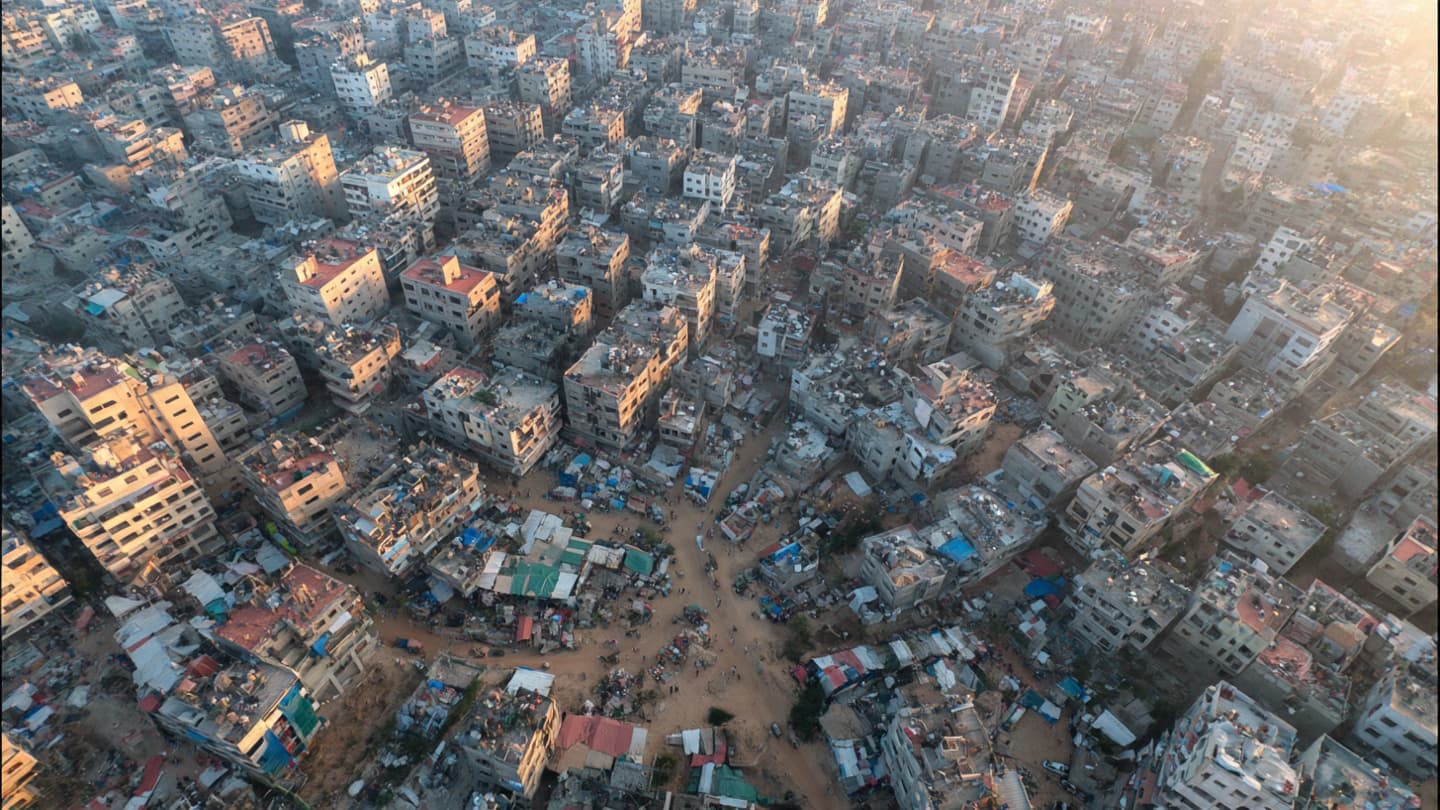
Inside Gaza, however, these operations unfold within one of the most densely populated and heavily damaged urban landscapes in the world. Airstrikes aimed at specific individuals often occur amid crowded civilian areas where families continue living beside destroyed buildings, temporary shelters, and unstable infrastructure. The distinction between battlefield and civilian environment has grown increasingly blurred as the war stretches across neighborhoods already transformed by repeated displacement and destruction.
Mohammed Ouda has been described in Israeli reports as a significant figure within Hamas’s military apparatus, though public details about his exact role remain limited. Like many senior Hamas operatives, his movements were believed to be heavily concealed within Gaza’s extensive underground and urban networks — systems shaped over years of conflict, surveillance, and adaptation.
The pursuit of militant leadership has long formed part of Israel’s military doctrine. Targeted killings, once carried out primarily through covert operations or limited airstrikes, have evolved alongside advances in surveillance technology, signal intelligence, and drone warfare. Yet history has also shown that removing individual commanders rarely brings quick resolution to broader political conflicts deeply rooted in territory, identity, and decades of unresolved violence.
Across Gaza, the humanitarian toll of the war continues expanding alongside military operations. Large portions of the territory’s infrastructure remain severely damaged, while shortages of food, medical supplies, fuel, and clean water have intensified daily hardship for civilians. Hospitals operate under extreme pressure, and families displaced multiple times move between temporary shelters, schools, and overcrowded camps searching for relative safety.
Meanwhile, in Israel, the conflict continues shaping national politics, military planning, and public debate surrounding security, hostages, and the long-term future of Gaza after the war. Netanyahu’s government has repeatedly emphasized its intention to continue operations against Hamas leadership despite growing international pressure for ceasefire agreements and negotiated solutions.
The attempted strike against Ouda also reflects how modern warfare increasingly operates through layered forms of visibility and invisibility. Intelligence systems trace phone signals, drone movements, underground passages, and digital communications, while leaders move quietly through tunnels, safe houses, and fragmented urban spaces where certainty itself becomes difficult to establish.
In many ways, Gaza has become a landscape defined by uncertainty — uncertainty about survival, leadership, negotiations, and the eventual shape of peace itself. Every military announcement arrives against the backdrop of broader questions that remain unresolved: who governs after the war, how reconstruction might occur, and whether diplomacy can eventually emerge from devastation that continues deepening month after month.
As dawn approaches over the coastline, the city stirs again beneath damaged concrete towers and tangled electrical wires. Somewhere in the distance, rescue crews move through debris while military aircraft continue tracing unseen paths overhead. News of another strike joins the long sequence of wartime reports carried through radios, phones, and whispered conversations between displaced families waiting for morning.
And so the search for commanders continues through Gaza’s fractured geography — beneath ruined rooftops, behind sealed doors, and inside tunnels carved beneath the earth — while above ground, ordinary life persists in fragile fragments beneath the constant shadow of war.
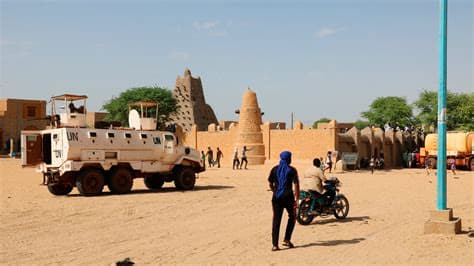
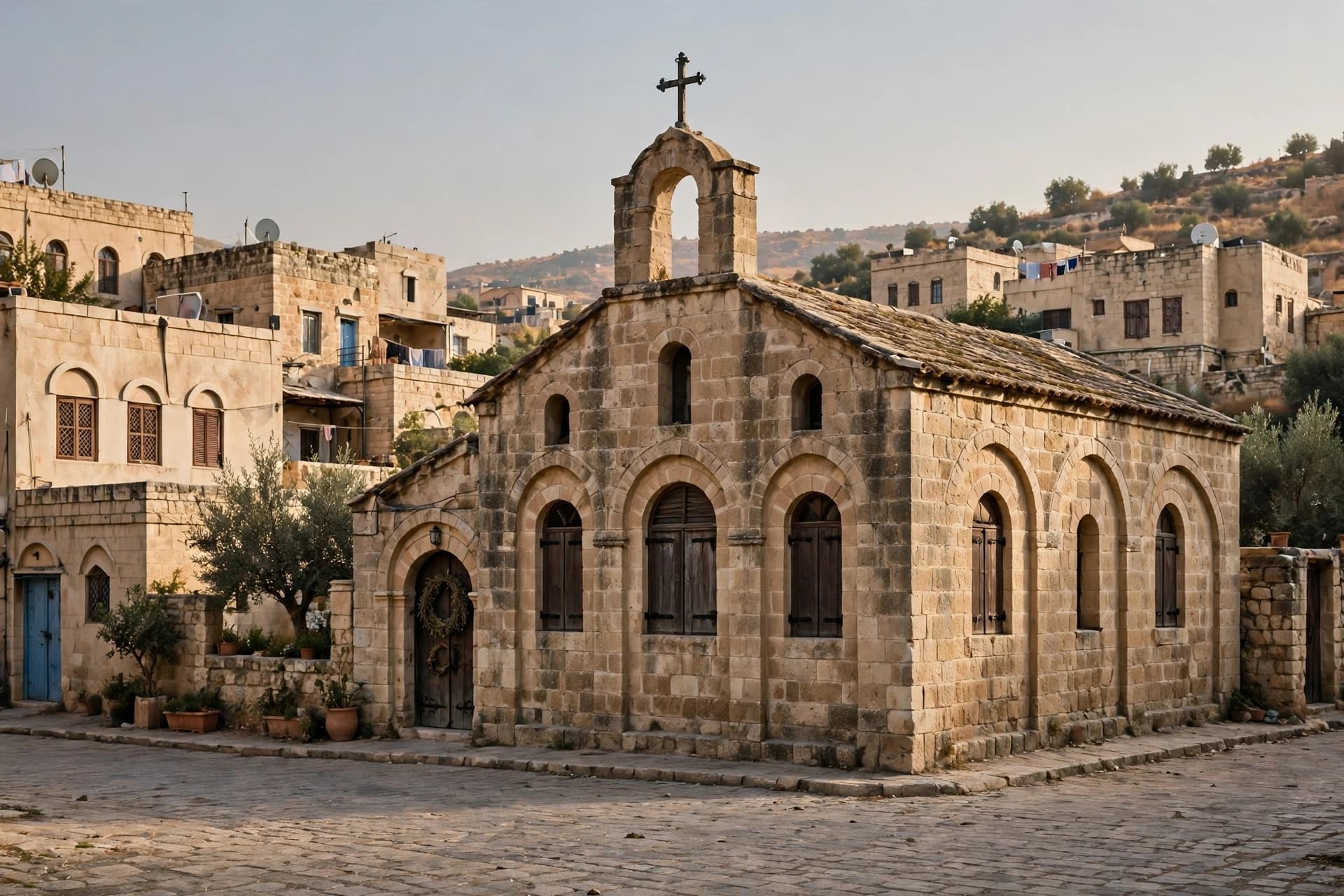
AI Image Disclaimer: Illustrative visuals in this article were generated with AI tools and are intended as conceptual depictions of the events described.
Sources:
Reuters Associated Press BBC News Al Jazeera The Times of Israel
Published by Banx Network. This article is part of the Banx decentralized media programme, powered by the BXE token on the XRP Ledger.